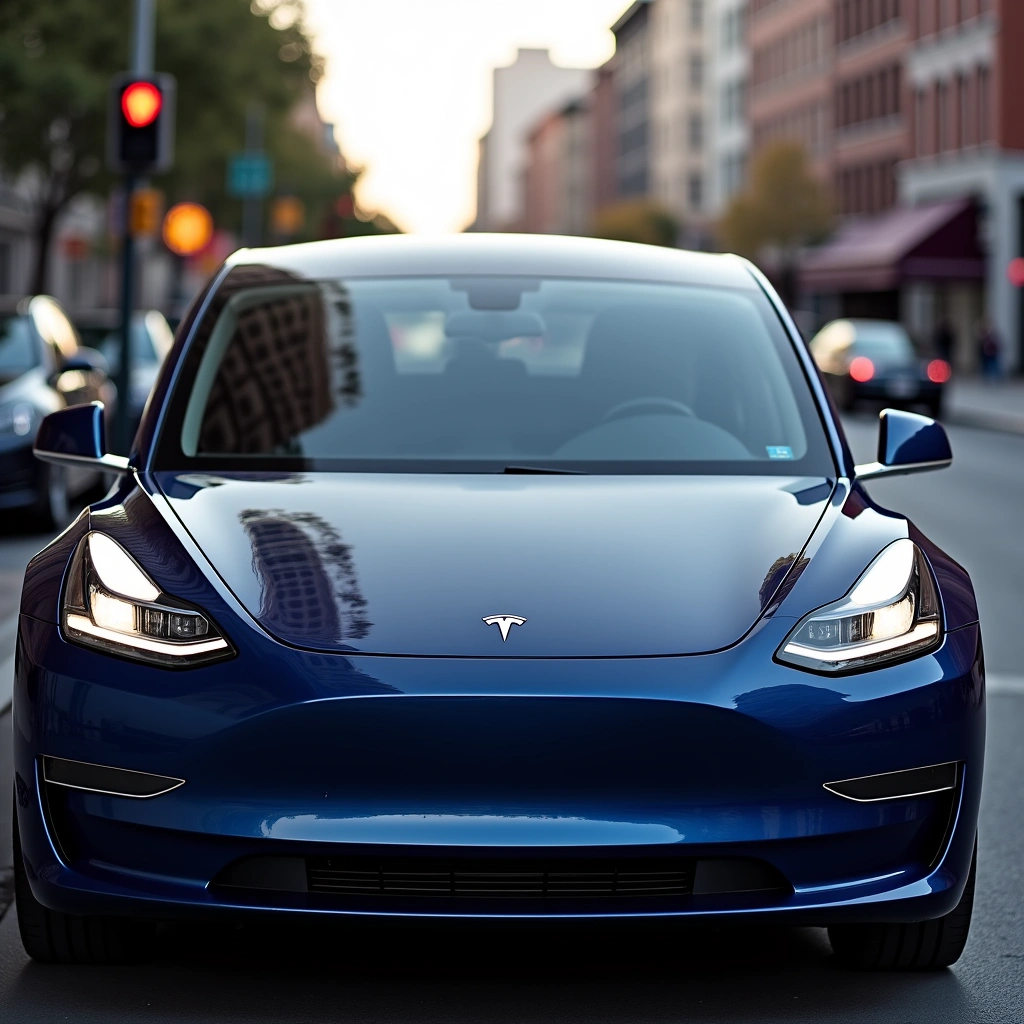
Let’s dive right into the fast lane of controversy, shall we? Tesla is hitting the gas pedal on a rather eyebrow-raising initiative: urging drowsy drivers to trust their lives—and the lives of others—to the whims of Full Self-Driving (FSD) technology. Now, I know what you’re thinking: ‘What could possibly go wrong?’ Well, buckle up, because we’re about to take a ride through the potential pitfalls of this electrifying idea.
First off, let’s address the elephant in the room. Drowsy driving is no joke. It’s like trying to play a game of Twister while blindfolded; you know you’re going to end up in a tangle. According to the National Highway Traffic Safety Administration (NHTSA), drowsy driving is responsible for about 100,000 crashes each year. So, the idea of handing over control of your vehicle to an AI that’s still figuring out how to navigate the complexities of human behavior? Well, that sounds like a plot twist in a horror movie.
To be fair, Tesla’s FSD technology is undoubtedly impressive. It’s like having a super-intelligent chauffeur who’s read the entire rulebook and a few novels on driving etiquette. But here’s the kicker: it’s not foolproof. Just the other day, I read about a Tesla that decided it was a good idea to take a detour right into a construction zone. So, are we really trusting our slumbering selves to a system that sometimes gets confused by orange cones?
Now, let’s not forget about the human element. You see, when someone is drowsy, their decision-making skills take a nosedive faster than a lead balloon. The last time I tried to make a decision while I was half-asleep, I ended up trying to microwave my phone instead of my leftovers. Imagine that kind of logic behind the wheel. ‘Hmm, maybe I’ll just take a quick snooze while the car drives itself… what could go wrong?’ Spoiler alert: a lot.
Tesla CEO Elon Musk has always been a bit of a daredevil with his bold claims and grand visions for the future. But this push? It feels like he’s tossing a lit match into a fireworks factory. Sure, the technology is evolving, and we’re inching closer to a world where we can kick back and let our cars do the driving. However, this leap into the unknown might just have us leaping off a cliff instead.
So, what’s the takeaway here? While the allure of Full Self-Driving is enticing, putting drowsy drivers behind the wheel is akin to handing a toddler a paintbrush and saying, ‘Have at it!’ Sure, they might create a masterpiece… or they could just end up painting the walls with something that looks suspiciously like a Jackson Pollock disaster.
In a world that’s already buzzing with the promise of autonomous vehicles, letting drowsy drivers rely on FSD feels like jumping into the deep end of the pool without checking if there’s water first. So, let’s keep the excitement in check and remember: the only autopilot we should trust when we’re feeling sleepy is the one that’s set to ‘nap mode’—preferably on a cozy couch.
In conclusion, while Tesla’s Full Self-Driving technology is paving the way for a futuristic driving experience, we should all agree that letting drowsy drivers take the backseat is a risky gamble. After all, the road to the future is paved with good intentions, but let’s not make it a highway to hell. Stay alert, stay awake, and for the love of all that’s electric, don’t nap while driving!