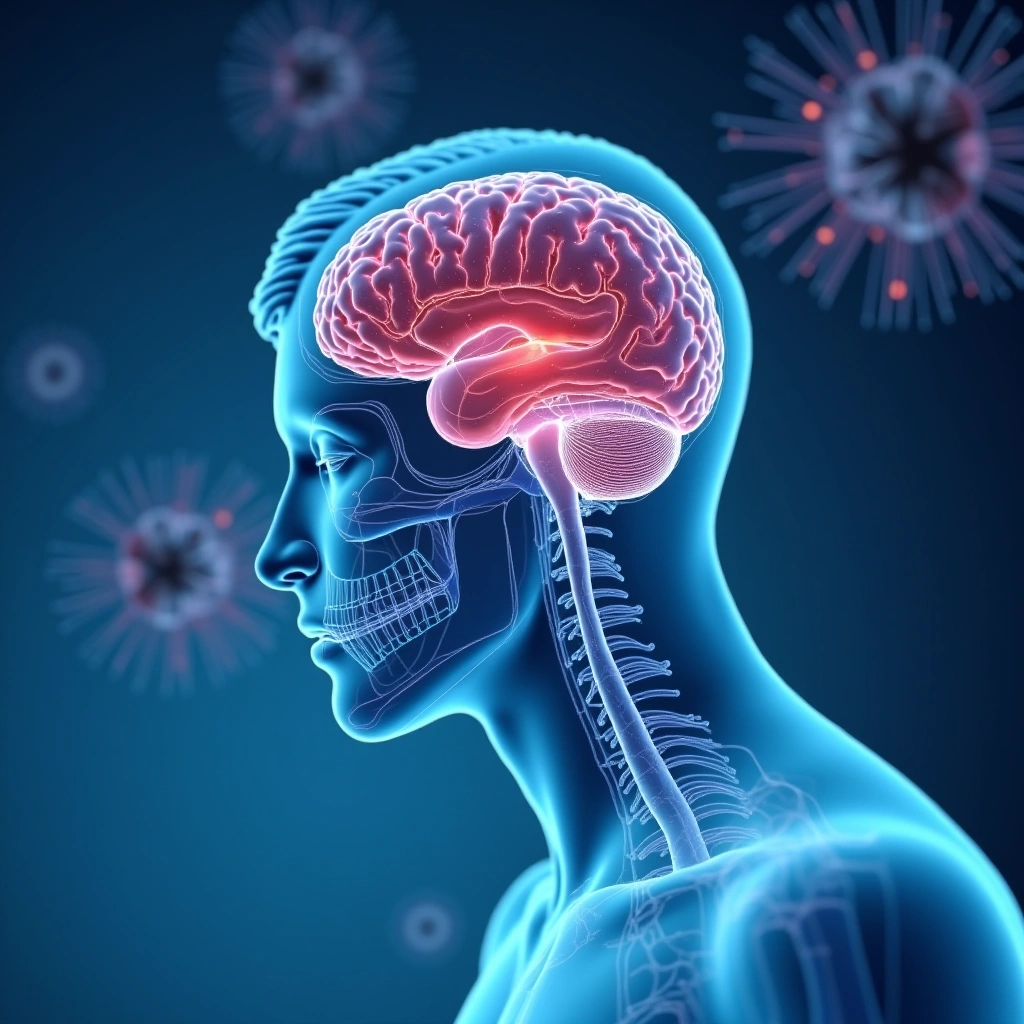
Hey there, fellow science enthusiasts! Grab your lab coats and put on your safety goggles because we’re diving deep into a groundbreaking study that’s making waves in the medical community. Picture this: scientists have found a way to reverse stroke damage using stem cells. Yes, you heard that right! It’s like giving your brain a do-over, and who wouldn’t want that?
Now, before you start picturing a mad scientist with wild hair and a lightning bolt in one hand and a syringe in the other, let’s break it down. The study, which hit the headlines recently, suggests that stem cells could actually help heal the brain after a stroke. And no, this isn’t some sci-fi movie plot – it’s real science!
First off, what the heck are stem cells? Think of them as the Swiss Army knives of cells. They can morph into various types of cells, which is why researchers are all aflutter. In the case of strokes, they can potentially transform into brain cells and help patch up the damage caused by the stroke. It’s like giving your brain a fresh coat of paint after it’s been vandalized. Who doesn’t want a brain that looks brand-new?
Now, why is this such a big deal? Well, strokes are one of the leading causes of long-term disability and can leave people with all kinds of nasty side effects, like difficulty speaking or moving. The medical community has been scrambling to find effective treatments that can help patients regain their quality of life. Enter our superhero stem cells!
In the study, researchers used stem cells to promote recovery in stroke-affected areas of the brain. And results? Drumroll, please… they saw significant improvements in motor function and overall brain health. It’s like the stem cells threw a party in the brain and invited all the good vibes!
Of course, with great power comes great responsibility. There are still a lot of questions to answer. For starters, how do we ensure that these stem cells are safe and effective when injected into patients? And can we really make this a standard treatment that’s accessible to everyone? Because let’s be honest, if it costs more than your average Netflix subscription, it’s not going to fly off the shelves.
And let’s not forget the ethical debates surrounding stem cell research. There are those who are against it for various reasons, but let’s not get into that today. For now, let’s just focus on the potential for healing and hope.
So, what does this mean for the future? If this study paves the way for new treatments, we could be looking at a world where stroke recovery is faster, more effective, and maybe even a little less painful. Imagine a future where stroke victims can regain their independence and do all the things they love again. Sounds like a happy ending, right?
In conclusion, while we’re not ready to start handing out stem cell injections like they’re candy just yet, this study is a huge leap forward in stroke recovery research. So here’s to the scientists, the stem cells, and the hope for a better tomorrow. And who knows, maybe one day we’ll all be able to say, ‘I had a stroke, but thanks to stem cells, I’m back in action!’ Cheers to that!