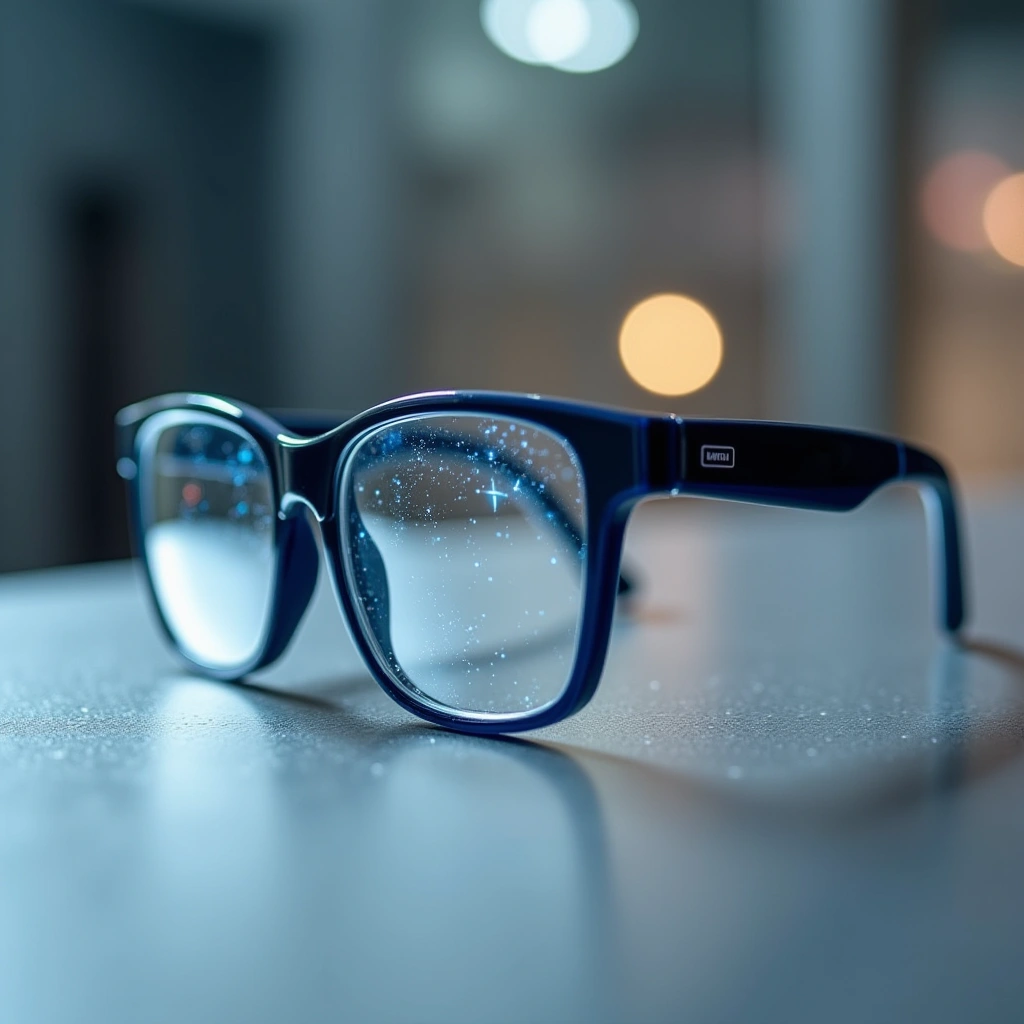
Ah, smartglasses. The futuristic accessory that promises to revolutionize the way we interact with the world around us. It seems like just yesterday that we were all buzzing about Google Glass, which, let’s be honest, was more like a tech experiment gone wrong than a fashion statement. Fast forward to today, and it’s clear that smartglasses are back on the radar. But the question remains: what exactly are they for? And who are they really meant to help?
Smart glasses are eyewear that includes electronic components and can do more than just correct your vision or protect your eyes. As you can imagine, that covers a wide array of devices that can do completely different things. We can sort smart glasses into a few specific types, with some overlap. Audio smart glasses have speakers built into the frame, allowing them to function as headphones. Augmented reality smart glasses use tiny projectors and lenses to display a picture as if a screen were in front of your eyes. Social media-focused smart glasses feature built-in cameras to let you capture photos and videos, and even live stream. There are some rarer types of smart glasses as well, like Chamelo’s Music Shield and Dusk glasses. They use liquid-crystal lenses to provide an adjustable tint, switching from transparent to sunglasses mode with a tap or via an app. The Chamelo Aura goes a step further by using multiple tinted liquid-crystal films to let you cycle through different lens colors. Some AR glasses, like the Viture Luma Pro and the XReal One Pro, use similar technology with less precise control. Their displays make them bulkier and less suitable for casually walking around, though. While they have strong connections to computers and video games, blue-light-blocking glasses aren’t actually smart glasses. They don’t have any electronics inside and simply rely on lens coatings to reduce exposure to blue light and reduce eye strain. They can be soothing but are not smart in the vein we’re talking about here.
The Tech Behind the Trend
Let’s break it down. Smartglasses are essentially a pair of spectacles that come equipped with augmented reality (AR) technology. They can display notifications, provide navigation, and even assist with tasks—like a personal assistant that you wear on your face. Imagine being able to check your emails while also pretending to pay attention to your friend’s riveting story about their cat. Sounds great, right?
But here’s the kicker: while the technology is undoubtedly impressive, the practical applications often leave much to be desired. Sure, you can look like a cool cyborg while you’re getting directions, but does that really justify the price tag? And will you still feel cool when you realize you’ve just spent a small fortune on a device that’s essentially a glorified heads-up display?
Who’s Rocking the Smartglasses?
Let’s face it—smartglasses are not for everyone. If you’re a tech enthusiast or someone who thrives on being the first to try new gadgets, you might be on board. But for the average person, it might be hard to see the appeal. Here’s a breakdown of potential users:
1. These are the folks who are already one step ahead in the tech game. They love the latest gadgets and are willing to wear anything that makes them look like they just stepped out of a sci-fi movie.
2. Imagine playing Pokémon Go but with smartglasses that enhance your experience. Gamers could find a whole new world of fun, provided they don’t trip over their own feet while trying to catch a Pikachu.
3. Surgeons, engineers, and other professionals could really benefit from smartglasses that provide hands-free access to information. Just imagine a surgeon performing a delicate operation with a heads-up display showing vital stats. Now that’s a game changer!
4. Some people just want to know what the fuss is about. They’ll buy a pair, wear them for a week, and then decide if they’re worth it. Spoiler alert: they probably won’t be.
The Skeptics
And then there are the skeptics. You know who you are. You’re the ones who think that wearing smartglasses makes you look like a walking advertisement for tech nerds. You’re concerned about privacy—after all, who wants to be recorded while having a particularly embarrassing moment at the grocery store? And let’s not forget the fashion police who question whether smartglasses can ever truly be stylish.
The Future of Smartglasses
So, are smartglasses inevitable? It seems that way. Companies are investing heavily in this technology, and new models are emerging that look less like clunky gadgets and more like sleek eyewear. But whether they’ll become a staple in our daily lives remains to be seen. Will they truly enhance our experiences, or will they become yet another gadget collecting dust on the shelf?
Conclusion
In the end, smartglasses might just be the next big thing—or they could fizzle out like so many tech trends before them. Either way, it’s clear that they’re here to stay for now. Whether you’re excited about the possibilities or rolling your eyes at the thought of wearing a mini computer on your face, one thing is for sure: the conversation about smartglasses is just getting started. So, let’s keep our eyes peeled—preferably behind a stylish pair of non-smart glasses, just in case!
Inspired by: “Smartglasses Are Inevitable. But What—or Who—Are They For?” (r/technology)