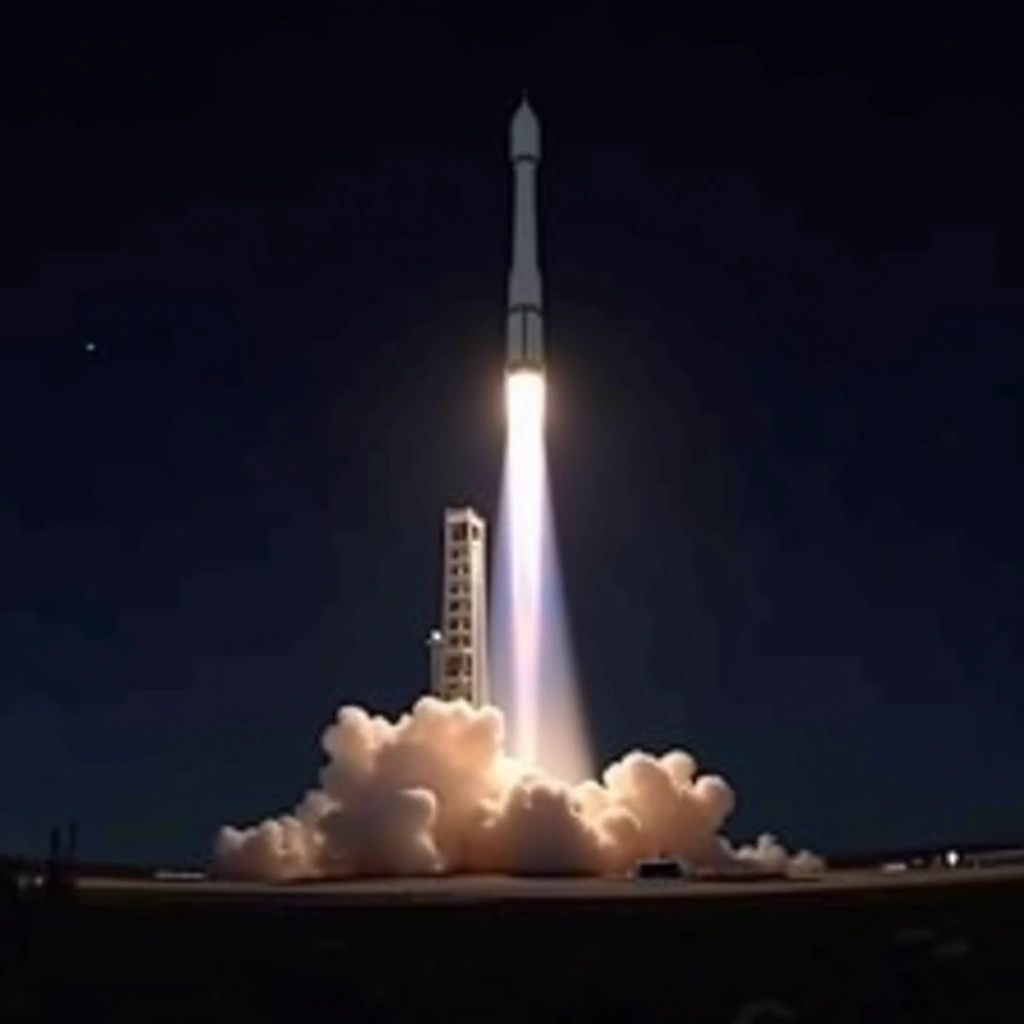
In a move that sounds like it was ripped straight from a sci-fi movie script, the US has officially approved the launch of a mirror satellite designed to reflect sunlight and illuminate the Earth at night. Yes, you heard that right! We’re talking about a satellite that’s basically going to be the world’s biggest disco ball, but instead of a funky dance floor, it’s going to light up our planet.
WIRED wrote about Reflect Orbital's giant mirror in September 2024, when the project was still in its early stages: “The ambitious goal of the Santa Monica, California–based startup is to ensure a continuous supply of light for large solar …
Now, let’s take a moment to appreciate the sheer audacity of this project. Who knew that after all the years of trying to save energy and reduce light pollution, the US government would decide to throw caution to the wind and just shine a massive spotlight on the planet? It’s like saying, “Hey, let’s just turn on all the lights at once and see what happens!”
But before you start picturing a future where we’re all walking around with sunglasses at night (thank you, Corey Hart), let’s dive into the details. The idea behind this satellite is to harness sunlight and reflect it down to Earth, potentially illuminating areas that are in darkness. This could be particularly useful for those pesky regions that are perpetually dark, like certain parts of the Arctic during winter months. Imagine the locals no longer having to rely on their phone flashlights to navigate the icy terrain!
Of course, there are a few logistical challenges to consider. For starters, where exactly will this satellite be positioned? If it’s too close, we risk frying people’s retinas like bacon on a hot skillet. Too far away, and it might just end up being a shiny piece of space junk. And let’s be real, nobody wants to end up on a NASA blooper reel because they miscalculated the orbit of a giant reflective surface.
And then there’s the question of how this will affect wildlife and ecosystems. Will nocturnal animals be confused by the sudden influx of light? Will owls start wearing sunglasses, too? It’s a valid concern, and one that scientists will have to consider as they move forward with the project. Because nothing says “I love nature” like creating a new artificial light source that disrupts the natural order of things.
On the bright side (pun absolutely intended), this satellite could provide safe illumination for urban areas that struggle with crime at night. Crime rates could potentially drop if more places are lit up like it’s the Fourth of July. Just imagine: instead of lurking in the shadows, criminals might find themselves caught in the spotlight—literally! Who needs a police force when you can just shine a giant light on the problem?
But let’s not get ahead of ourselves. There are still plenty of hurdles to overcome before we can bask in the glow of this satellite. Funding, technology, and public opinion will all play a role in determining whether this project takes off or crashes and burns like a poorly executed science experiment.
In conclusion, while the idea of a mirror satellite sounds like a whimsical dream, it also raises a lot of important questions. Will it really illuminate the night, or just blind us all? As we move forward with this ambitious project, let’s hope that we can strike a balance between innovation and responsibility. After all, we don’t want to end up with a giant flashlight in the sky that leaves us all wondering if it’s day or night. Until then, keep your sunglasses handy and your fingers crossed!
Inspired by: “The US Approves the Launch of a Mirror Satellite That Can Reflect Sunlight and Illuminate the Earth…” (r/technology)