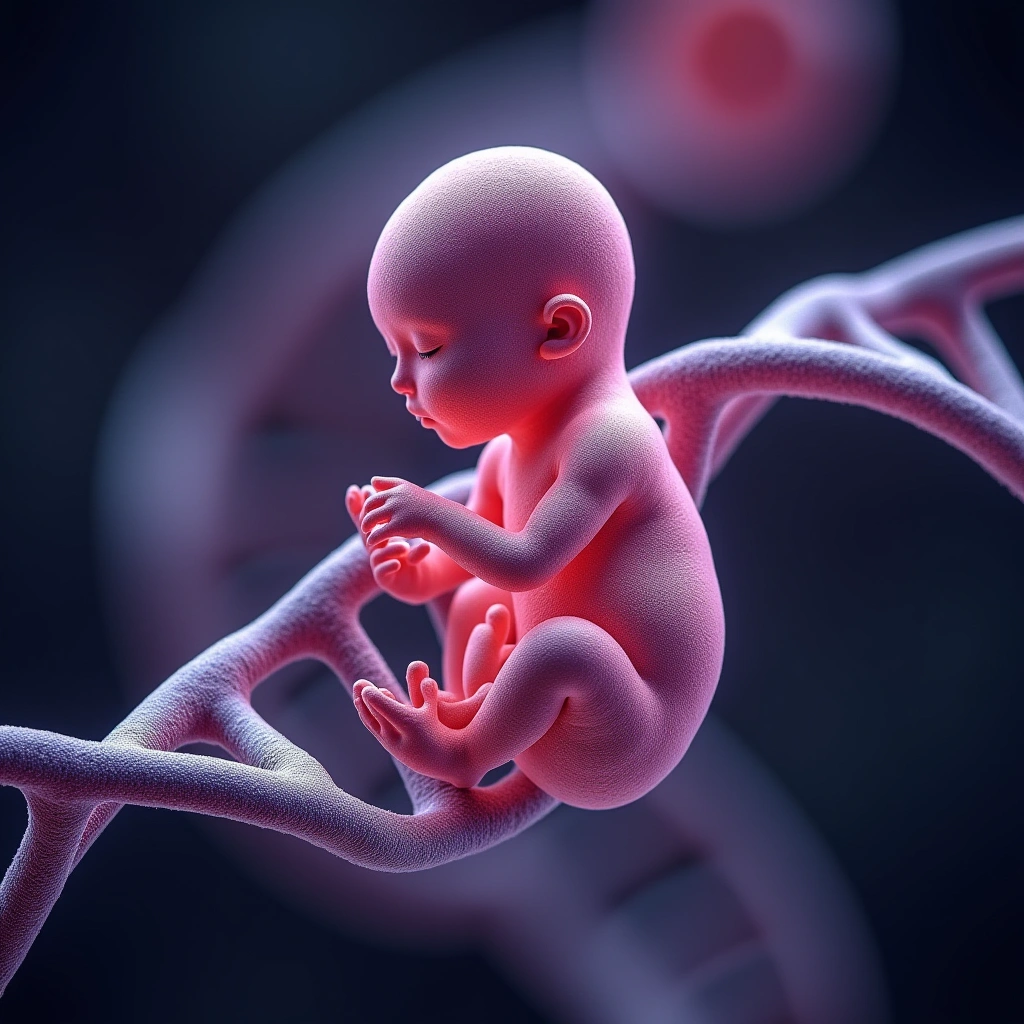
Hey there, fellow science enthusiasts! Buckle up because we’re diving into a topic so hot, it might just give you a sunburn: genetic editing of human embryos. Yes, you heard that right! We’re not just talking about mixing up a little salad dressing here. We’re talking about the potential to change the very fabric of human life itself! So grab some popcorn, because this is a wild ride!
Related reading: Original source
So, what’s the big deal? Well, scientists have recently made significant strides in gene editing technology, particularly using CRISPR-Cas9, a tool that’s sharper than your mother-in-law’s tongue at Thanksgiving. With this tool, researchers can edit DNA with startling precision, and by ‘startling,’ I mean it’s as if they’ve got a magic wand that can zap away genetic defects, diseases, and potentially even pesky traits like baldness (sorry, bald folks!).
But hold your horses! Before we all start dreaming of our future super-babies that can do math in their heads and run marathons before they can walk, we need to pause and consider what this actually means. Ethical debates are heating up faster than a microwave burrito. Are we playing God? Are we opening Pandora’s box? Or are we just trying to ensure future generations won’t have to deal with genetic hiccups? It’s a tough call.
First off, let’s talk about the potential positives. Imagine a world where genetic diseases like cystic fibrosis or sickle cell anemia are things of the past. That’s a dream worth dreaming, folks! It’s like having a cheat code for life. And who doesn’t want a little help in the game of survival of the fittest?
Now, let’s not sugarcoat it. There are some serious risks involved too. Editing genes in embryos could lead to unintended consequences. What if we accidentally create a race of super-intelligent, super-strong humans who decide they don’t need us anymore? It’s like the plot of a bad science fiction movie, and nobody wants to be the extra who gets zapped by the laser beam of a genetically-modified overlord.
And let’s not forget about accessibility. If this technology ends up being available only to the wealthy, we could be setting up a genetic divide that makes the 1% vs. 99% debate look like child’s play. Picture a future where only the rich can afford to have perfect children while the rest of us are left with our “normal” kids, who may or may not have inherited our terrible sense of humor.
So what’s the takeaway here? Gene editing in human embryos is like a double-edged sword—sharp on both sides, and you might just end up cutting yourself if you’re not careful. It’s an exciting frontier in science, but we need to tread lightly. Let’s make sure we keep the conversations going, engage with ethics, and hopefully, come to a consensus before we start designing our dream children like they’re characters in a video game.
As we stand on the precipice of this brave new world, let’s remember to approach it with a mix of excitement, caution, and a healthy dose of humor. Because if we can’t laugh about it, we might just cry. And nobody wants to be that person at the genetic editing conference!
Inspired by: “Scientists Edit Human Embryo Genes With Startling Precision” (r/technology)