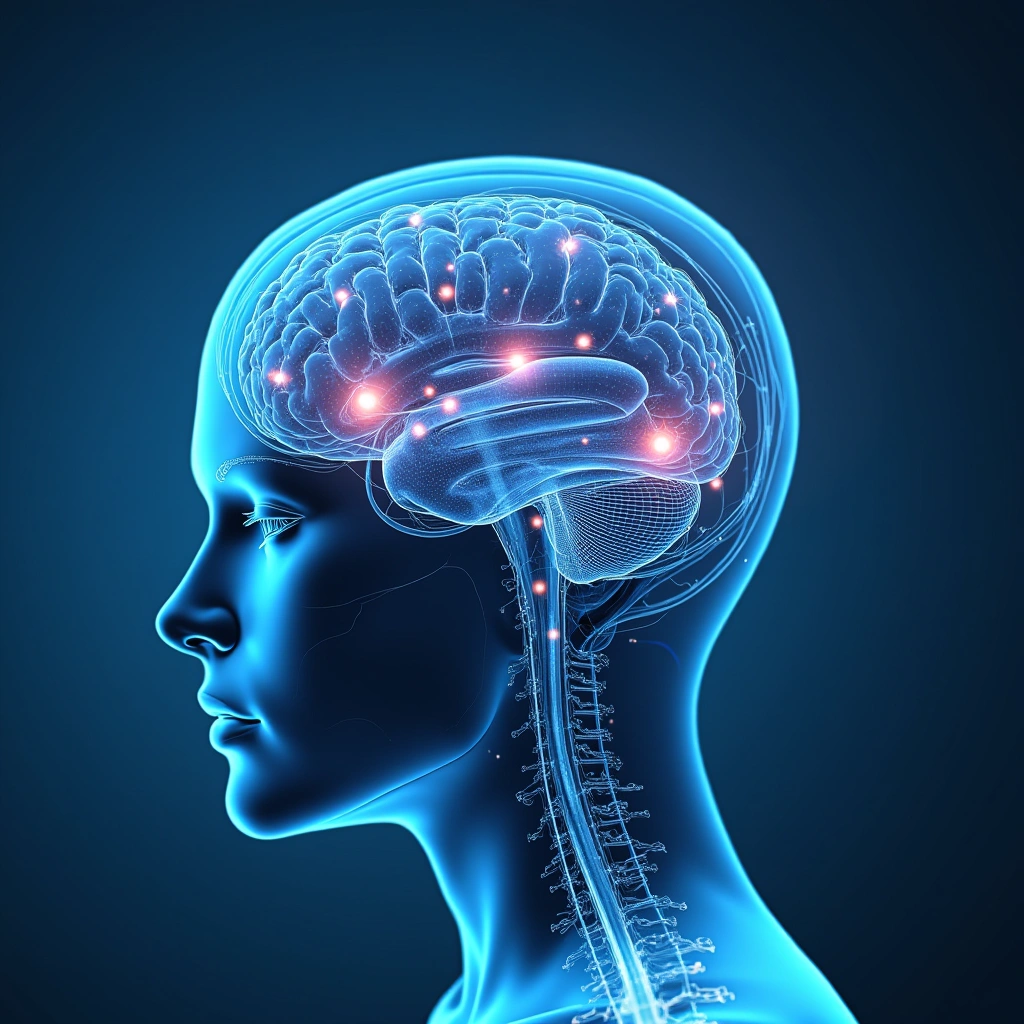
Hey there, brainiacs! Gather ’round because we’re diving into a topic that sounds like it was ripped straight from the pages of a sci-fi novel: brain bypass technology. Yes, you heard that right! Forget about the last time you heard someone say, ‘I’ve got a headache’ and rolled your eyes; this is about to get a whole lot more interesting.
So, what exactly is this brain bypass technology? Picture this: your brain is like a super busy highway, and sometimes traffic jams happen. Well, this technology is like an ingenious detour that helps you bypass all that annoying congestion, specifically for neurological disorders. It’s designed to reroute signals in the brain, making it a potential game-changer for conditions like epilepsy, Parkinson’s, and even traumatic brain injuries. Talk about a brain traffic officer!
Now, let’s talk about the science behind it. Researchers have been toiling away in their labs, likely fueled by copious amounts of coffee and late-night pizza, trying to figure out how to make this work. The idea is to create pathways that allow for communication between different areas of the brain that may be malfunctioning. This isn’t just plugging in a new cable; it’s more like creating a neural Superhighway 2.0. It’s high-tech, it’s ambitious, and it might just revolutionize how we treat neurological disorders.
But hold your horses, folks! Before we start throwing brain parties and celebrating with confetti, we need to consider the implications. This technology raises some eyebrows, not just because it sounds like something out of a sci-fi flick. There are ethical questions to ponder: What if someone decides to enhance their brain just to beat their friends at trivia night? Or worse, what if brain bypass becomes the new fad diet? ‘I lost 10 pounds and my ability to feel emotions!’ Sounds like a plot twist waiting to happen.
On the flip side, this could be a lifeline for those who have been struggling with debilitating neurological disorders. Imagine being able to regain control over your body, or even just the ability to remember where you left your keys. That’s a win in my book!
However, the road to approval is long, winding, and filled with regulatory hurdles. It’s not just a matter of saying, ‘Hey, let’s bypass some brain pathways!’ We need rigorous testing, safety protocols, and probably a bunch of scientists in lab coats doing their science thing. So, while we’re excited about the possibilities, let’s not get ahead of ourselves.
In conclusion, brain bypass technology is an exhilarating frontier in the world of medicine that could change lives—if it doesn’t turn us all into brain-enhanced trivia monsters first. As we watch this technology develop, let’s keep our brains open and our expectations in check. After all, the last thing we need is a bunch of people zipping around with supercharged brains trying to outsmart each other. That sounds like a recipe for chaos!
So, what do you think? Are you on board with the idea of brain bypass technology, or are you more of a ‘leave my brain alone’ kind of person? Let’s chat in the comments!