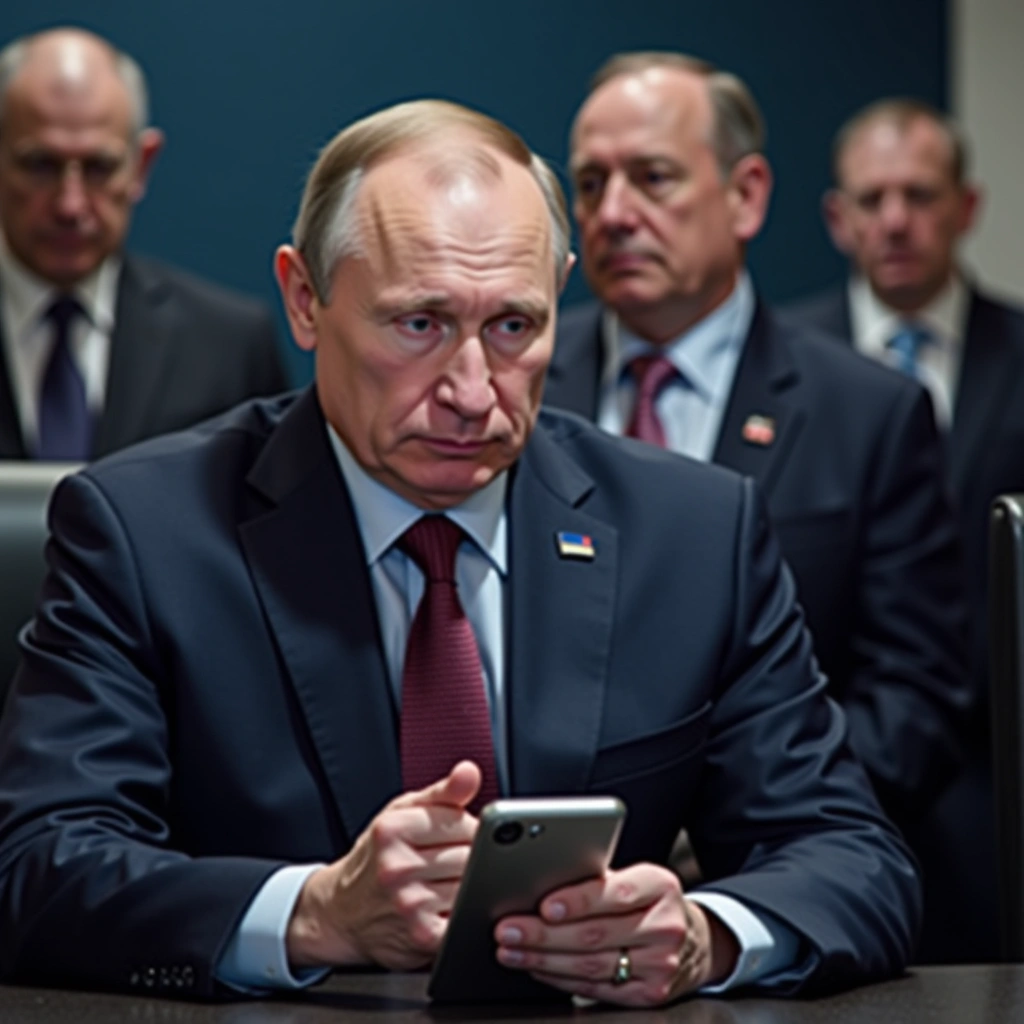
In an age where information flows faster than a caffeinated squirrel on a sugar rush, the concept of keeping a populace offline might seem like trying to catch smoke with your bare hands. Yet, here we are, discussing how Vladimir Putin is facing quite the uphill battle in keeping Russians offline. Spoiler alert: it’s not going too well.
Millions of Russians are bypassing Vladimir Putin’s attempts to block access to the internet, and his regime is struggling to keep up.
Let’s paint the picture. The Russian government has been trying to clamp down on internet access, with efforts that could best be described as a mix between a toddler throwing a tantrum and an overzealous librarian shushing a noisy group of kids. From restricting social media to blocking certain websites, the Kremlin has employed a slew of tactics that would make even the most seasoned control freak raise an eyebrow.
But here’s the kicker: the more they try to keep people offline, the more determined those people seem to be to log on. It’s almost like a game of whack-a-mole, except the moles are internet-savvy Russians armed with VPNs and a healthy dose of defiance.
One of the most notable aspects of this digital tug-of-war is how the Russian youth, who are pretty much the poster children for internet culture, are reacting. They’re not just shrugging their shoulders and accepting the limitations; they’re leveraging technology to bypass restrictions. Think of it as a digital rebellion fueled by memes, TikTok dances, and an unyielding desire to stay connected.
The irony here is delicious. While Putin and his administration are busy trying to portray a narrative of control and stability, they are inadvertently creating a generation of tech-savvy individuals who are more aware of global issues than ever before. It’s like trying to keep your dog from eating the pizza on the counter—good luck with that when the aroma wafts through the house.
Moreover, international platforms like Telegram have become the go-to for Russians seeking uncensored news and communication. It’s as if Telegram has become the underground railroad of the digital age, whisking people away from the oppressive regime’s grasp. And just like that, a simple app is helping to fuel a movement that the Kremlin would prefer to keep offline.
So, what’s next for Putin? Well, if history has taught us anything, it’s that when you try to suppress information, it often backfires spectacularly. The more you push, the harder people will pull in the opposite direction. It’s a classic case of ‘the harder you grip, the more it slips away.’
In conclusion, while Putin may have a firm grip on many aspects of Russian life, the internet appears to be the slippery eel that he just can’t seem to hold onto. As Russians continue to find ways to connect and share information, it becomes increasingly clear that the fight to keep them offline is a losing battle. And honestly, who doesn’t love a good underdog story? Here’s to the Russians who refuse to let their online voices be silenced. Keep scrolling, comrades, keep scrolling!
Inspired by: “Putin Is Losing the Fight to Keep Russians Offline” (r/technology)