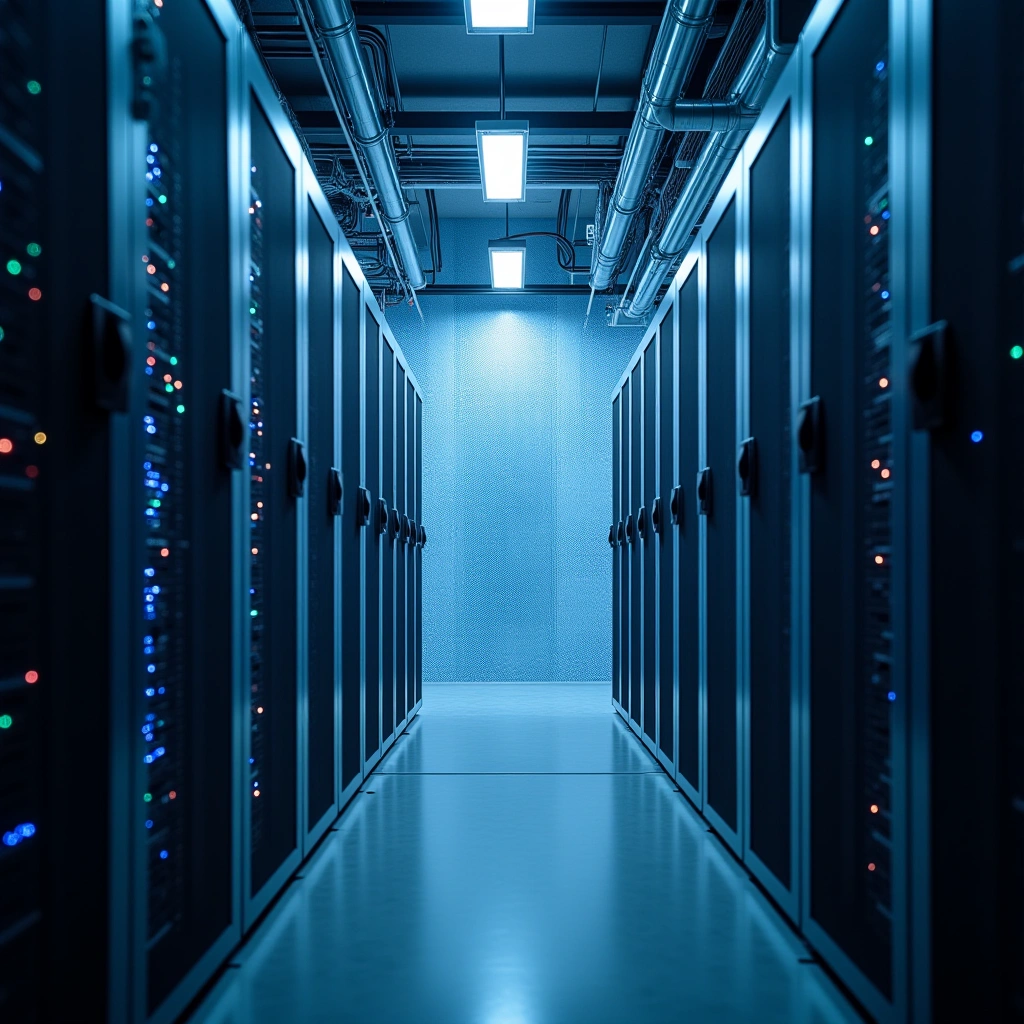
If you thought your electricity bill was bad, wait until you hear about what’s happening in the world of data centers. According to a report from Gartner, electricity consumption in data centers is projected to grow by a staggering 26% by the year 2026. Yes, you read that right—almost a third more power is going to be gobbled up by these tech behemoths. So, let’s dive into what this means for us mere mortals and the planet we inhabit.
AI data centers are driving unprecedented energy consumption , with global data center electricity demand projected to double to 945 TWh by 2030. AI processing is particularly power -intensive—creating a single AI image uses energy equivalent to fully charging a smartphone, while data centers could represent 8.6% of US electricity demand by 2035.
First off, let’s clarify what a data center is for those of you who might be picturing a room full of computer nerds playing magic cards (although that’s probably happening too). A data center is essentially a facility that houses computer systems and associated components, such as telecommunications and storage systems. Think of them as the brains behind the internet, processing everything from your Instagram scrolls to your late-night online shopping sprees.
Now, with the increase in demand for cloud computing, streaming services, and all things data, it’s no wonder these centers are consuming more and more electricity. Gartner’s prediction isn’t just a number thrown out like confetti at a New Year’s party; it’s based on the reality that we’re living in a data-driven world. More data means more servers, and more servers means more electricity—it’s a simple math problem, really. And let’s be honest, we all know math isn’t everyone’s strong suit, especially when it comes to understanding your electricity bill.
But here’s where it gets a little sticky. As the demand for data centers grows, so does the environmental impact. All that electricity doesn’t come from unicorns and rainbows; it’s often generated from fossil fuels, which aren’t exactly the best friends of Mother Earth. So, while we’re all enjoying our binge-watching sessions on Netflix, we might also be contributing to a hefty carbon footprint. Talk about a guilty pleasure!
To put this into perspective, let’s consider a few fun facts (or not-so-fun, depending on your outlook). The International Energy Agency reported that data centers accounted for about 1% of the global electricity demand in 2020. With a 26% increase on the horizon, that number is only going to rise. If data centers were a country, they’d be one of the top consumers of electricity in the world. Yikes!
Now, before you start throwing your devices out the window in a fit of eco-friendly rage, there is some good news. Many companies are becoming more aware of their energy consumption and are actively seeking ways to reduce their carbon footprint. Some are investing in renewable energy sources, while others are exploring energy-efficient technologies. So, there’s hope for our planet yet! Just think of it as data centers doing their best impression of a hipster café, trying to be eco-conscious while serving up lattes with almond milk.
In conclusion, the projected growth in data center electricity consumption is both a testament to our increasing reliance on technology and a wake-up call for the need to address sustainability. As we continue to consume data at an alarming rate, it’s crucial that we also consider how we can power this demand responsibly. So, the next time you’re about to stream that cute cat video, remember: you might just be contributing to the power surge in data centers. And hey, at least you’ll be entertained while doing your part in supporting the tech industry. Who knew being a couch potato could have such an impact?
Inspired by: “Gartner: Data center electricity consumption to grow 26% in 2026” (r/technology)