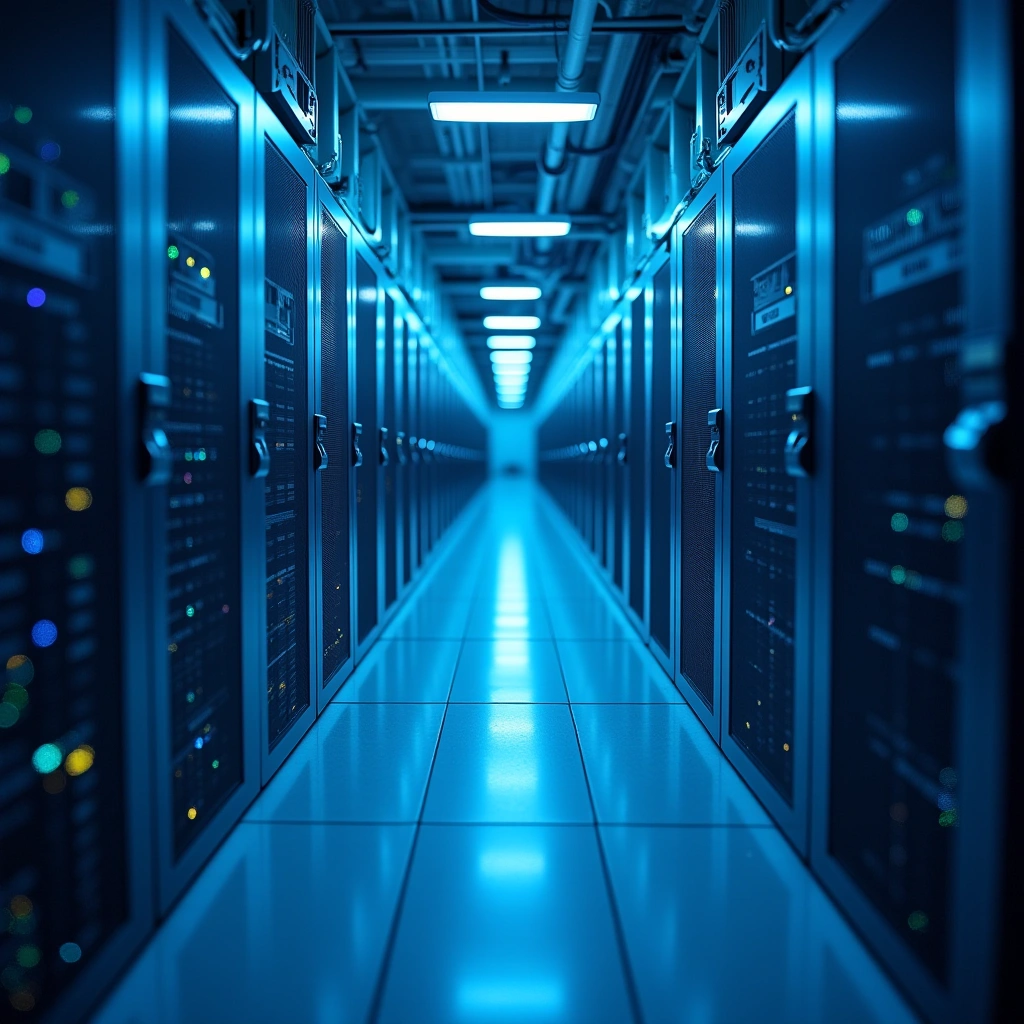
Near-term data center driven electricity demand growth is an opportunity to accelerate the build out of clean energy solutions , improve demand flexibility, and modernize the grid while maintaining affordability.
In recent years, the world has become increasingly reliant on data centers. You know, those massive warehouses filled with servers that keep our digital lives running smoothly? They store everything from cat videos to banking information, and they’ve become the backbone of our online existence. But with great power (and by ‘power,’ I mean electricity) comes great responsibility, and that’s where the conversation about clean energy and data centers gets interesting.
Recently, a federal standard has been proposed that would require new data centers to come with clean power solutions. Cue the applause, right? It seems like a logical step toward a greener future. After all, these data-hungry monsters consume an astonishing amount of energy—enough to power entire cities! And while we’re all for technological advancement, we also want to avoid turning our planet into a scorched wasteland.
So, what does this proposed standard entail? Essentially, it suggests that if you want to build a new data center, you better have a plan for how to power it sustainably. This could mean investing in renewable energy sources like solar, wind, or hydropower, rather than relying on good ol’ fossil fuels that contribute to climate change.
Now, before we start imagining a future where data centers are powered by solar panels and wind turbines, let’s take a moment to consider the implications. On one hand, this could be a game-changer for the environment. If all new data centers were required to use clean energy, we could significantly reduce greenhouse gas emissions. It’s like putting a little green hat on the tech industry—adorable and eco-friendly.
On the other hand, some might argue that imposing such regulations could hinder innovation and growth. After all, the tech industry is known for its rapid expansion and demand for more data centers. If companies are forced to adhere to stringent clean energy requirements, they might think twice before opening a new facility. And we wouldn’t want to slow down the progress of technology, would we? (Insert sarcastic eye roll here.)
However, it’s worth noting that many major tech companies have already made substantial commitments to sustainability. Google, for example, has been running its data centers on 100% renewable energy since 2017. So, it’s not like this is an impossible feat. If the big players can do it, perhaps the rest of the industry can follow suit.
The proposed federal standard could also pave the way for more investment in renewable energy infrastructure. If data centers are required to use clean energy, that could incentivize energy providers to develop more sustainable options. It’s a win-win situation—data centers get their energy, and we all get a cleaner planet.
Of course, the devil is in the details. Implementing such a standard would require careful planning and coordination between government agencies, energy providers, and tech companies. There would be discussions, debates, and possibly even a few heated arguments over the best way to move forward. But hey, that’s democracy in action, right?
In conclusion, the question of whether new data centers should come with clean power requirements is a complex one. On the one hand, we need to encourage technological advancement and growth. On the other hand, we can’t ignore the environmental impact. If we can strike a balance between the two, we might just find ourselves in a better position for the future.
So, what do you think? Should new data centers come with a side of clean energy? Or should we let the market decide how to power our digital world? Let’s hear your thoughts, and maybe we can save the planet one data center at a time!
Inspired by: “Should new data center demand have to come with new clean power? A federal standard is being propos…” (r/climatechange)