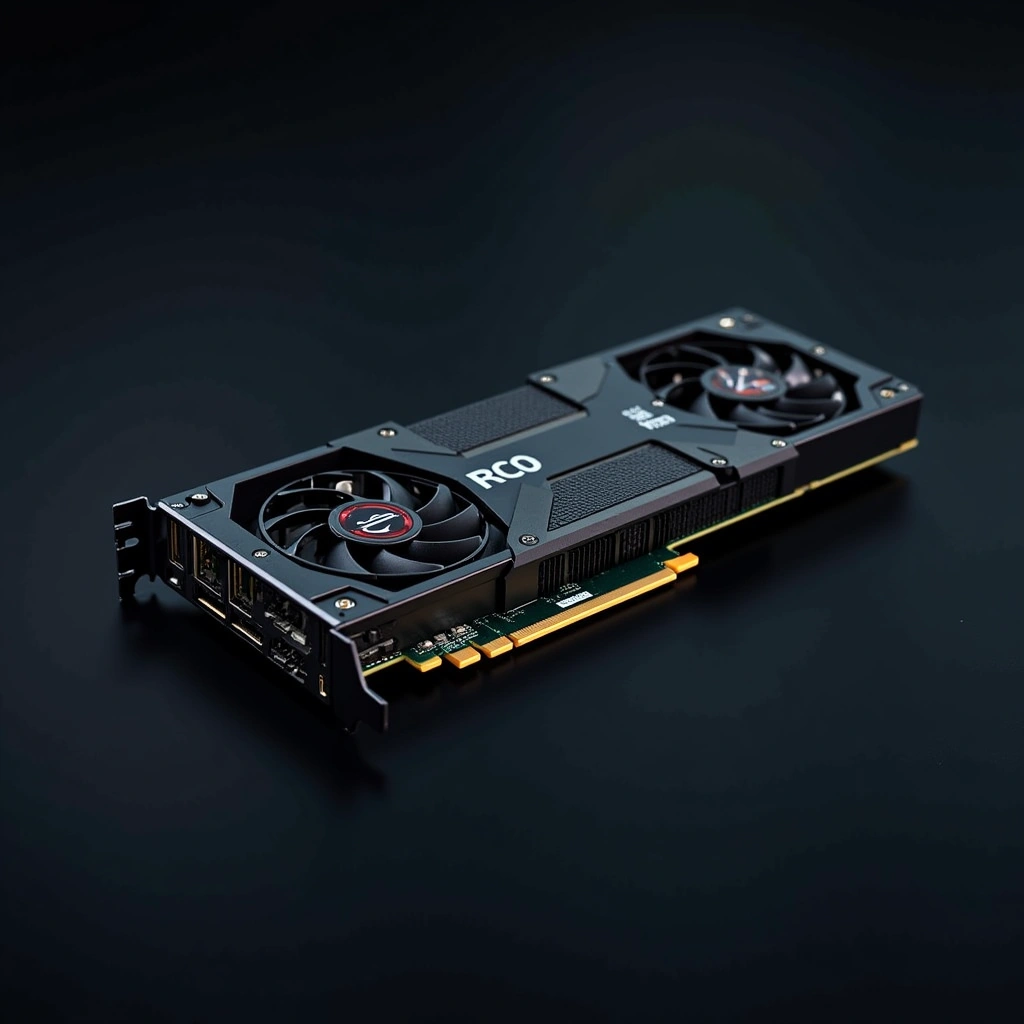
It seems like Nvidia is taking a step back in the GPU race, and not just to catch its breath. Reports are surfacing that the much-anticipated quad-die Rubin Ultra GPU has been canceled in favor of a dual-GPU design. Yes, you heard that right! The ambitious dream of a supercharged, multi-die powerhouse has been scrapped, and the reason is as complex as a family tree in a soap opera—manufacturing execution concerns.
Nvidia reportedly abandoned its ambitious four-die Rubin Ultra AI accelerator design due to manufacturing execution concerns, specifically yield issues and structural warping caused by thermal stress in TSMC’s CoWoS-L advanced packaging. The complex interconnect bandwidth between four near-reticle-sized dies also failed to meet latency targets for inference workloads, prompting a shift to a more reliable dual-die configuration. Despite the redesign, the revised dual-die Rubin Ultra is expected to maintain performance parity through a 2+2 board-level arrangement while utilizing HBM4E memory and targeting a 2027 launch window. This adjustment prioritizes supply chain stability and scalability over the original monolithic package, ensuring the platform remains competitive against rivals like AMD’s Instinct series.
Now, let’s unpack that a bit. The quad-die design was supposed to be the holy grail for gamers and creators alike, promising unparalleled performance and the ability to tackle the most demanding tasks like a pro. But it seems Nvidia’s engineers looked at the manufacturing process and thought, “You know what? This looks like a headache waiting to happen.” Who can blame them?
Imagine trying to assemble a jigsaw puzzle with pieces from different boxes, while someone is standing over your shoulder asking when it will be done. Yeah, that’s the kind of chaos Nvidia might have been facing with the quad-die setup. So, instead of diving headfirst into a potential manufacturing nightmare, they decided to play it safe and stick with a dual-GPU design. Smart move? Maybe. Boring? Definitely.
For those not in the know, dual-GPU setups have been around for a while. They’re not exactly groundbreaking, but they do tend to be more stable and easier to manage. Think of it as going for the reliable sedan instead of the flashy sports car that keeps breaking down. Sure, the sedan might not turn heads, but at least you won’t be stuck on the side of the road waiting for a tow truck.
This decision raises some eyebrows, especially considering the intense competition in the GPU market. AMD and other manufacturers are not sitting idly by, and Nvidia’s cautious approach might be seen as a sign of weakness. But then again, in the tech world, being practical can sometimes be more valuable than being ambitious. Just ask anyone who’s ever tried to assemble IKEA furniture without the instructions.
In the end, while we might not be getting the quad-die Rubin Ultra GPU, a dual-GPU design could still deliver solid performance without the manufacturing headaches. So, let’s raise a glass to Nvidia for choosing sanity over chaos! And who knows? Maybe they’ll revisit the quad-die concept once they’ve perfected their assembly line. Until then, we’ll just have to make do with what we can get—after all, better a good GPU than a great idea that never sees the light of day.
Inspired by: “Nvidia reportedly cancels quad-die Rubin Ultra GPU in favor of dual-GPU design, report claims — com…” (r/technology)