When you think about batteries, you probably picture the standard AA or AAA batteries you use to power your remote control or your kid’s toy that makes noise at 3 AM. But what if I told you that there are batteries out there that are not just a little weird, but downright quirky? Enter the world of molten salt and human sweat—yes, you read that right—two unlikely contenders in the renewable energy storage arena.
The leading wind power nation unveiled a 1GWh large-scale molten salt battery project earlier this year, which can store clean electricity for up to two weeks by heating the salts to approximately 600C.
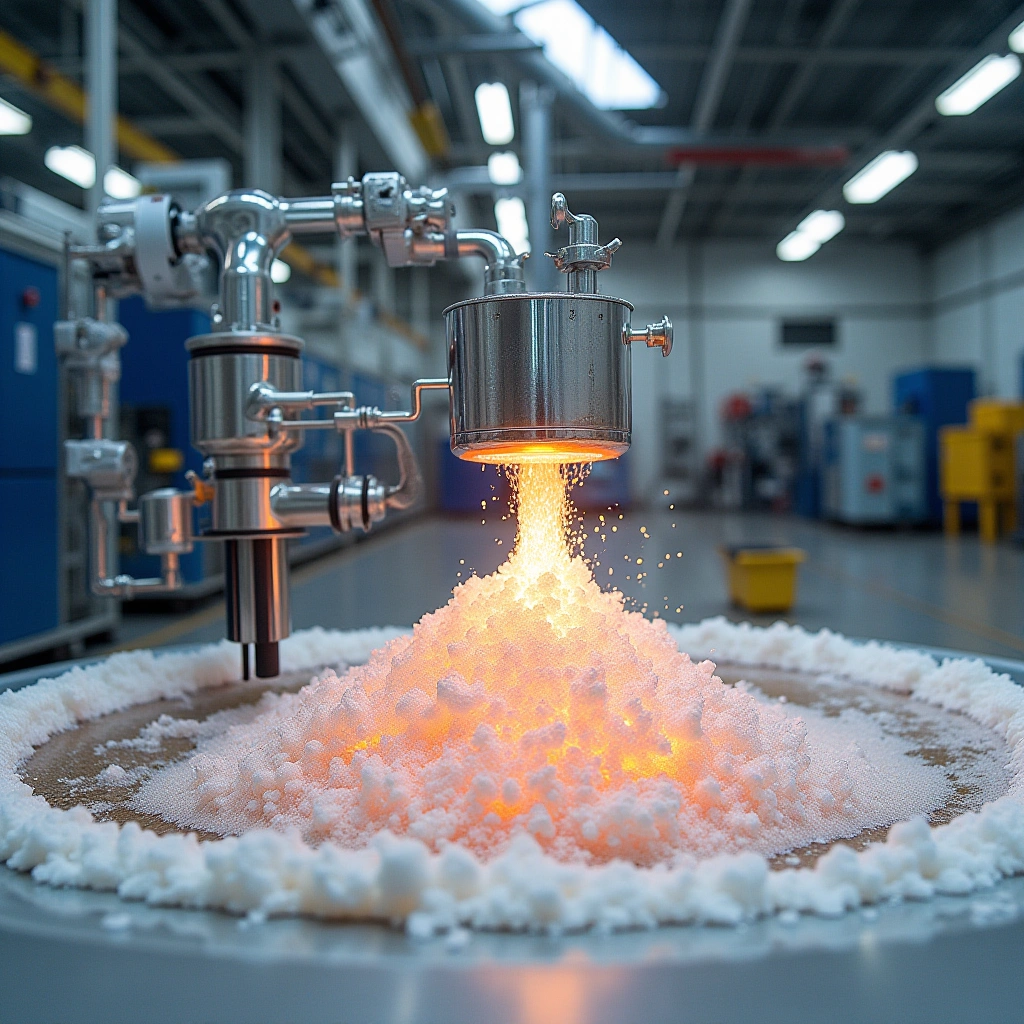
Let’s start with molten salt. Now, before you imagine a giant salt shaker pouring its contents over a pan of scrambled eggs, let’s dive into what molten salt really is. This isn’t your average table salt; it’s a mixture of sodium nitrate and potassium nitrate, which, when heated to high temperatures, turns into a liquid. This liquid salt has some serious thermal energy storage capabilities. In fact, it’s used in concentrated solar power plants to store energy collected from the sun.
Here’s how it works: during the day, when the sun is shining bright, these plants use the heat to melt the salt. The molten salt then stores energy until it’s needed, like when the sun goes down and you still want to binge-watch your favorite series without interruption. This technology is genius because it allows us to harness solar energy even when it’s not sunny outside. It’s like having a backup battery for your solar panels, ensuring that you can still power your Netflix habit without a hitch.
Now, let’s talk about human sweat. Yes, the salty liquid that drips down your forehead during a workout is now being considered for energy storage. Researchers are looking into using bio-batteries that can convert sweat into electricity. The premise is simple: as we sweat, our bodies naturally produce electrolytes, and these can be used to create a chemical reaction that generates energy.
Imagine a world where you could recharge your phone just by going for a jog. While we’re not quite there yet (sorry, no jogging, no charging), the idea is tantalizing. It’s like your body is the ultimate energy factory, and the more you sweat, the more power you generate. Just think of the possibilities! You could power your gadgets while getting your daily exercise in—talk about multitasking!
Now, I know what you’re thinking: “This sounds fantastic, but what about the smell?” Well, that’s a valid concern. If we’re going to be harnessing energy from our sweat, we better hope it doesn’t smell like a gym locker room. But hey, if it means I can keep my phone charged while I work out, I might just have to embrace the scent of victory.
Both molten salt and human sweat represent a shift in how we think about energy storage. As we move towards a more sustainable future, these unconventional methods could play a significant role in reducing our reliance on fossil fuels. It’s a bit like a science fiction movie where the underdog wins, except in this case, the underdog is a hot pile of molten salt and a sweaty jogger.
In conclusion, while traditional batteries have served us well, the future of energy storage may just lie in the weird and wonderful. Whether it’s harnessing the heat of molten salt or the sweat from our brows, innovation is taking us in exciting new directions. So next time you sweat it out at the gym or enjoy a sunny day, remember: you might just be contributing to the future of renewable energy. And who knows, one day you might be able to say, “I powered my phone with my sweat!” Now that’s a conversation starter.
Inspired by: “Molten salt and human sweat: the weird batteries that could store renewable energy” (r/technology)