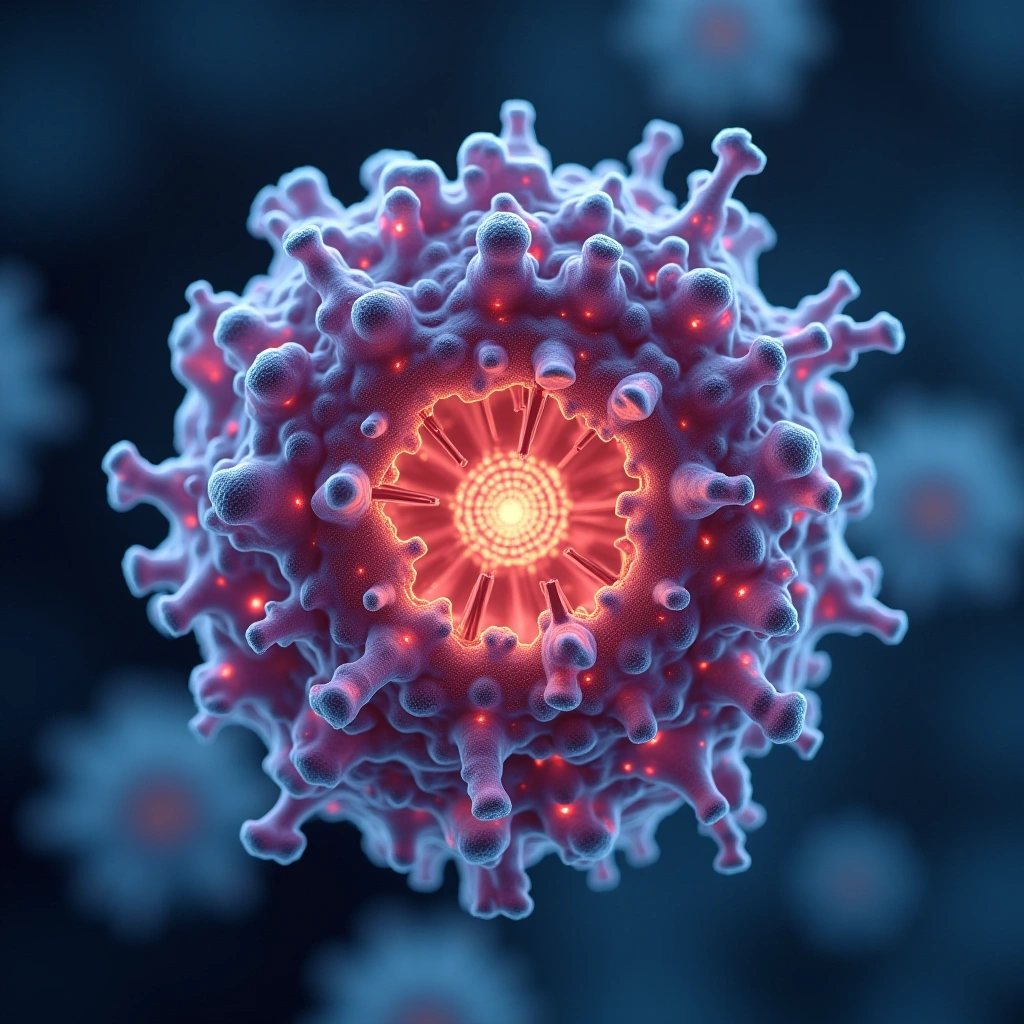
If you’re like me, the term ‘mitochondrial transplantation’ might sound like something out of a sci-fi movie. You can almost picture a mad scientist in a lab, frantically trying to attach a glowing, pulsating organelle to a willing volunteer. But fear not, dear reader! This is not the plot of a low-budget horror flick; it’s a real scientific breakthrough that’s been gaining traction thanks to some clever advances in surface engineering.
A PEG-based surface coating with appended cell-penetrating peptides stabilizes isolated mitochondria and enhances their cellular uptake. These engineered mitochondria maintain structural integrity and increase respiratory activity in recipient cells.
So, let’s unpack this a bit. Mitochondria are often dubbed the “powerhouses of the cell”—and not just because they have a cool nickname. They are responsible for energy production, and when they start to fail, it can lead to a whole host of health issues, including neurodegenerative diseases and metabolic disorders. In other words, if your mitochondria are having a bad day, so are you.
Now, what exactly is surface engineering, you ask? Well, it’s a fancy term for manipulating the surface properties of materials to improve their interaction with biological systems. Think of it as giving a makeover to the surfaces of cells and tissues, so they can play nice with each other. This can help in the effective transplantation of mitochondria into cells that desperately need them, kind of like giving a boost to that friend who always shows up to parties empty-handed.
Recent advancements in surface engineering techniques have made it possible to improve the stability and functionality of transplanted mitochondria. Researchers have been working on ways to enhance the delivery of these tiny powerhouses to cells, ensuring they can integrate properly and start doing their job—producing energy and keeping the cell happy.
But why is this important? Well, imagine you’re dealing with a chronic condition that leaves you feeling like a deflated balloon. The prospect of mitochondrial transplantation could be a game-changer. By effectively replacing damaged or dysfunctional mitochondria with healthy ones, we could potentially reverse the cellular damage that’s been wreaking havoc on your health. It’s like getting a brand-new engine for your car when the old one has seen better days.
Of course, we’re not ready to start lining up patients for mitochondrial transplants just yet. This research is still in the early stages, and there are plenty of hurdles to overcome. For one, we need to ensure that the transplanted mitochondria can survive in their new environment and function properly without being rejected by the host cell—sort of like trying to fit a square peg into a round hole, but with a lot more science involved.
And let’s not forget about the ethical considerations. When it comes to any kind of transplantation, there are always questions about sourcing and consent. We can’t just go around harvesting mitochondria from random people. That would be, well, not cool. Plus, there’s the whole issue of whether or not we should be tinkering with the very building blocks of life.
So, while we’re still a ways off from mitochondrial transplantation becoming a standard therapeutic strategy, the advances in surface engineering are undoubtedly paving the way for exciting possibilities. It’s a reminder that science is constantly evolving, and sometimes the most far-fetched ideas can lead to real-life solutions.
In conclusion, while we might not be strapping on our lab coats and heading to the nearest mitochondrial transplant clinic just yet, it’s refreshing to see how innovative techniques like surface engineering are pushing the boundaries of medical science. Who knows? One day, we might just be able to say goodbye to chronic energy issues and hello to a vibrant, energized life. And if that day comes, I’ll be the first to raise my glass—filled with a healthy dose of mitochondria, of course!
Inspired by: “Surface engineering advances mitochondrial transplantation as a potential therapeutic strategy” (r/technology)