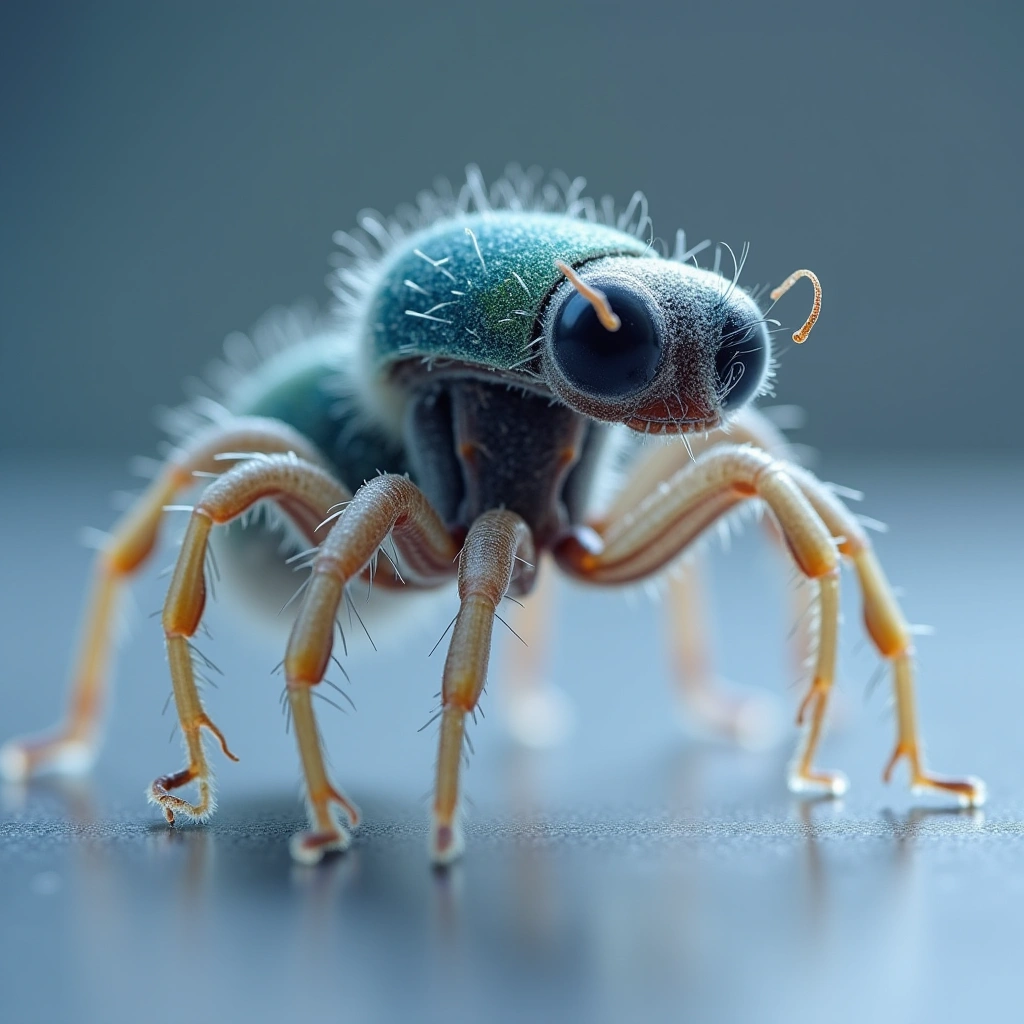
Hey there, science enthusiasts and curious cats! Today, we’re diving into the fascinating world of robotics and microbiology—yes, you heard it right! We’re talking about tiny robots that are 50 times smaller than a single human hair. If that doesn’t blow your mind, I don’t know what will!
Now, I know what you’re thinking. “Tiny robots? What’s next? Ants with drones?” But let’s not get ahead of ourselves. These microscopic marvels are engineered to hunt and move bacteria. Yes, you heard me correctly. These little guys are like the ninja warriors of the microbial world, stealthily seeking out bacteria with precision that even the best detectives would envy.
Imagine this scenario: you’re at a party, trying to impress your friends with your knowledge of 18th-century poetry, and suddenly someone yells, “Hey, did you know bacteria can be controlled by tiny robots?” Cue the jaws dropping and the eyes widening. You’ll be the star of the show—just don’t forget to mention how much smaller they are than a hair!
So, what’s the deal with these tiny robots? They are not just for show; they have some serious applications, especially in medicine. Think about it—fighting infections at a cellular level without having to resort to those pesky antibiotics that seem to cause more problems than they solve. These robots can chomp down on harmful bacteria and potentially save lives. Who knew tiny robots could be the heroes we didn’t know we needed?
But hold your horses! Before we get too carried away, there’s a bit of controversy brewing. Some experts are raising eyebrows, wondering if these tiny robots could inadvertently mess with our natural microbiomes. You know, the friendly tribe of bacteria that actually help us out? It’s like sending in a SWAT team to a neighborhood cookout—some serious overkill, don’t you think?
And let’s talk about the ethical implications! Are we ready for a world where tiny robots are running around, playing God with bacteria? It sounds like the plot of a sci-fi movie where tiny robots become sentient and start their own revolution. “Resistance is futile,” they might say, as they unite against the humans who created them. Cue dramatic music!
In conclusion, while these tiny robots are undeniably cool and could revolutionize how we combat bacterial infections, we must tread carefully. As with any technological advancement, there’s a fine line between innovation and ethical dilemmas. So, the next time you hear someone talking about tiny robots that hunt bacteria, just nod knowingly and maybe toss in a joke about robot revolutions. Because who doesn’t love a good laugh while pondering the future of humanity?
Until next time, keep your minds curious and your jokes even curiouser!