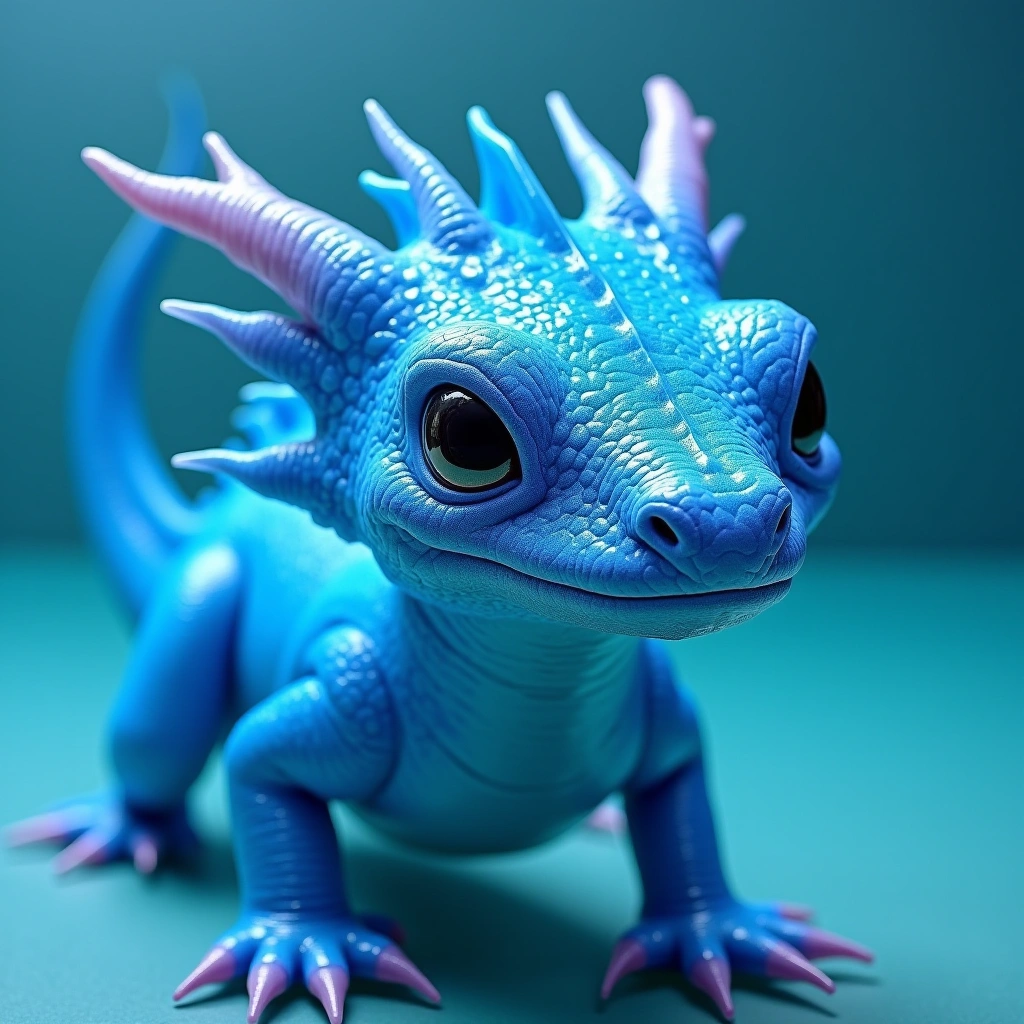
Hey there, fellow ocean enthusiasts and lovers of all things weird and wonderful! Today, we’re diving into the deep blue to meet a creature that looks like it just flapped out of a fantasy novel—meet the Blue Dragon, or as the cool kids call it, the Glaucus Atlanticus.
Now, I know what you’re thinking. A dragon? In the ocean? What kind of magical fairy dust are you smoking? But hold your sea horses, my friend! This little guy is as real as the awkward neighbor who insists on mowing his lawn at 6 AM on a Sunday.
The Blue Dragon is a type of sea slug that floats on the surface of the ocean. Yep, you heard that right! This creature is a drifter, much like my motivation on a Monday morning. It’s small, usually only about 3 inches long, and is as majestic as it is bizarre, with a body that resembles a mythical creature from the depths of a fantasy world.
So, what’s the scoop on this azure marvel? Well, its vibrant blue color isn’t just for show. It serves a purpose, helping it blend in with the ocean’s surface, making it look like a floating piece of sky. It’s like nature’s way of saying, “I can be both fabulous and functional!”
But wait, there’s more! The Blue Dragon has a secret weapon—its diet consists primarily of jellyfish. Yes, folks, this tiny titan has no qualms about munching on creatures that are over 90% water and have stung humans with the grace of a drunken octopus. After it feasts on its jellyfish meals, the Blue Dragon stores their stinging cells, called nematocysts, in its own body. So, if you ever think about picking one of these guys up for a selfie, you might want to reconsider. Trust me, the last thing you want is to be the punchline of the ocean’s biggest joke.
Now, let’s talk habitat. The Blue Dragon can be found floating in warm waters around the world, typically in the open ocean, and yes, that includes the beaches where you’re trying to sip a cocktail without getting sand in your pants. You might even spot one after a storm, as they get washed ashore. Just remember, they don’t breathe air like us humans, so don’t expect them to wave back!
In conclusion, the Glaucus Atlanticus is not just a pretty face in the ocean; it’s a creature of unique adaptations and survival tactics that would make any dragon enthusiast proud. So, next time someone talks about mythical creatures, remind them that dragons are indeed real, and they might just be swimming in the ocean, looking for their next jellyfish meal. And who knows? Maybe one day, we’ll all be lucky enough to spot one in the wild. Just don’t forget your camera—and a good sense of humor!