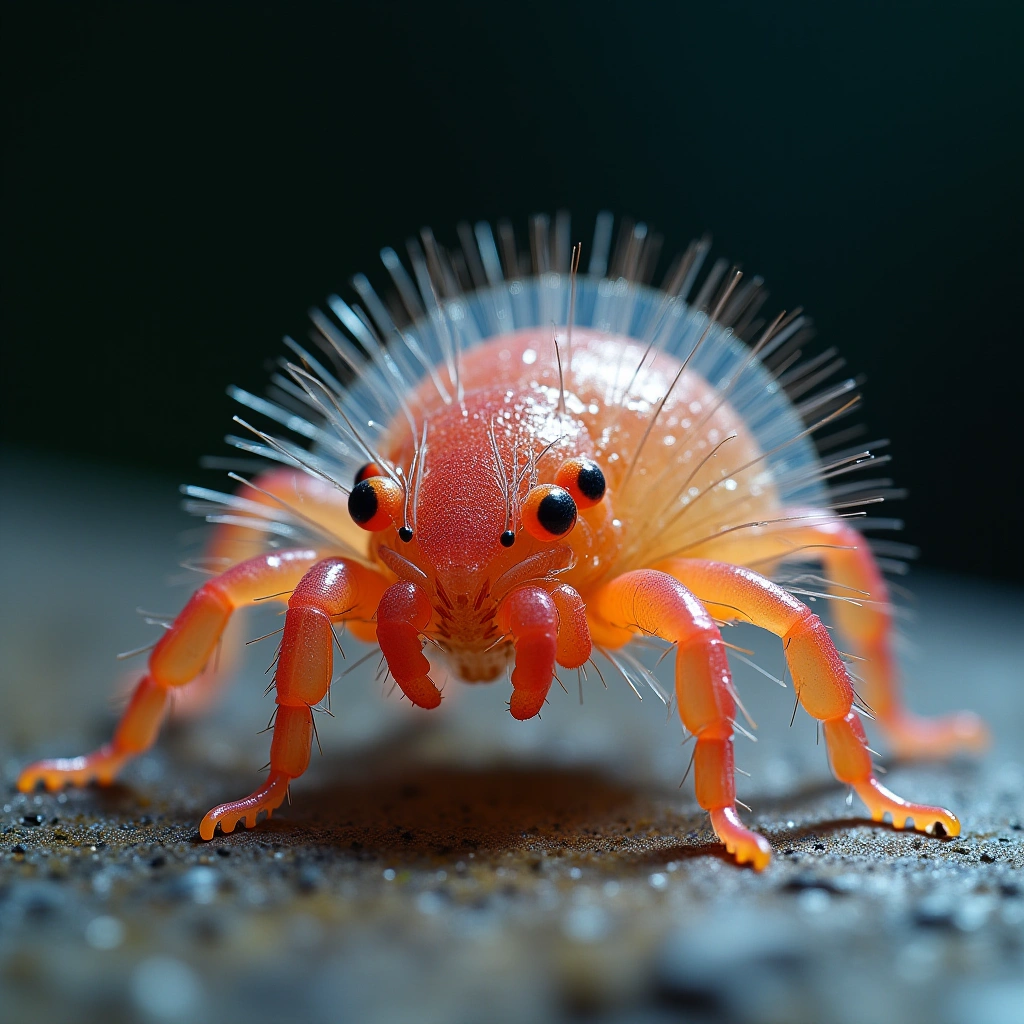
Hey there, fellow curious minds! Today, we’re diving into the microscopic world of rotifers—specifically, the infamous Collotheca. You might be wondering, what in the world is a rotifer? Well, let me tell you, these little critters are the ultimate underdogs of the aquatic food chain, and Collotheca is the heavyweight champion when it comes to snacking on flagellates!
Now, before we get all technical, let’s set the stage. Picture a tiny, swirling, invisible predator lurking in a droplet of water. Sounds like something out of a sci-fi horror movie, right? Well, welcome to the life of Collotheca! These rotifers might be small (think pinhead size), but don’t let their diminutive stature fool you. They are fierce, predatory beasts armed with a mouth that would make a shark jealous—if sharks were, you know, a couple of micrometers long.
So, what exactly does Collotheca feast on? Enter the flagellates, the poor, unsuspecting victims of this aquatic drama. Flagellates are single-celled organisms that use whip-like tails (flagella) to propel themselves through the water. They might think they’re living the good life, swirling about like they own the pond, but little do they know, they’re just appetizers on Collotheca’s menu.
Now, let’s talk tactics. When it comes to hunting, Collotheca employs a strategy that would make even the smartest predators green with envy. With its specialized feeding structures, it creates a vortex that sucks in nearby flagellates, much like how your vacuum cleaner gobbles up crumbs on the kitchen floor. But instead of a bag full of dust, Collotheca ends up with a belly full of flagellates. Talk about a win-win situation!
But wait, there’s more! The life of a rotifer isn’t all about devouring flagellates and hanging out in the water. Collotheca’s existence is a prime example of nature’s way of balancing ecosystems. By munching on flagellates, they help control their populations, ensuring that no single species goes on a feeding frenzy and wipes out the pond’s biodiversity. So, let’s give a round of applause to Collotheca for being the unsung hero of the micro-world.
Of course, there’s always a flip side. Some scientists might argue that while Collotheca is out there playing the role of the predator, it’s also part of the food web itself. Larger creatures use rotifers as snacks—yes, even tiny beasts like these can fall prey to the circle of life. It’s like high school all over again, where the big kids take the lunch money from the little ones. Just remember, the microscopic world thrives on drama, and Collotheca is right in the thick of it!
So, next time you’re sipping on a glass of pond water (because who doesn’t do that, right?), just remember that you may be sharing it with a Collotheca or two, lurking and waiting for their next flagellate meal. Nature can be brutal, but it’s also incredibly fascinating. And if you ever needed a reason to appreciate the little things in life, just think about these tiny predators and their epic battles for survival!
Until next time, keep your eyes peeled for the wonders of the micro-world. Who knows what other bizarre and intriguing creatures are waiting to be discovered? Happy exploring!