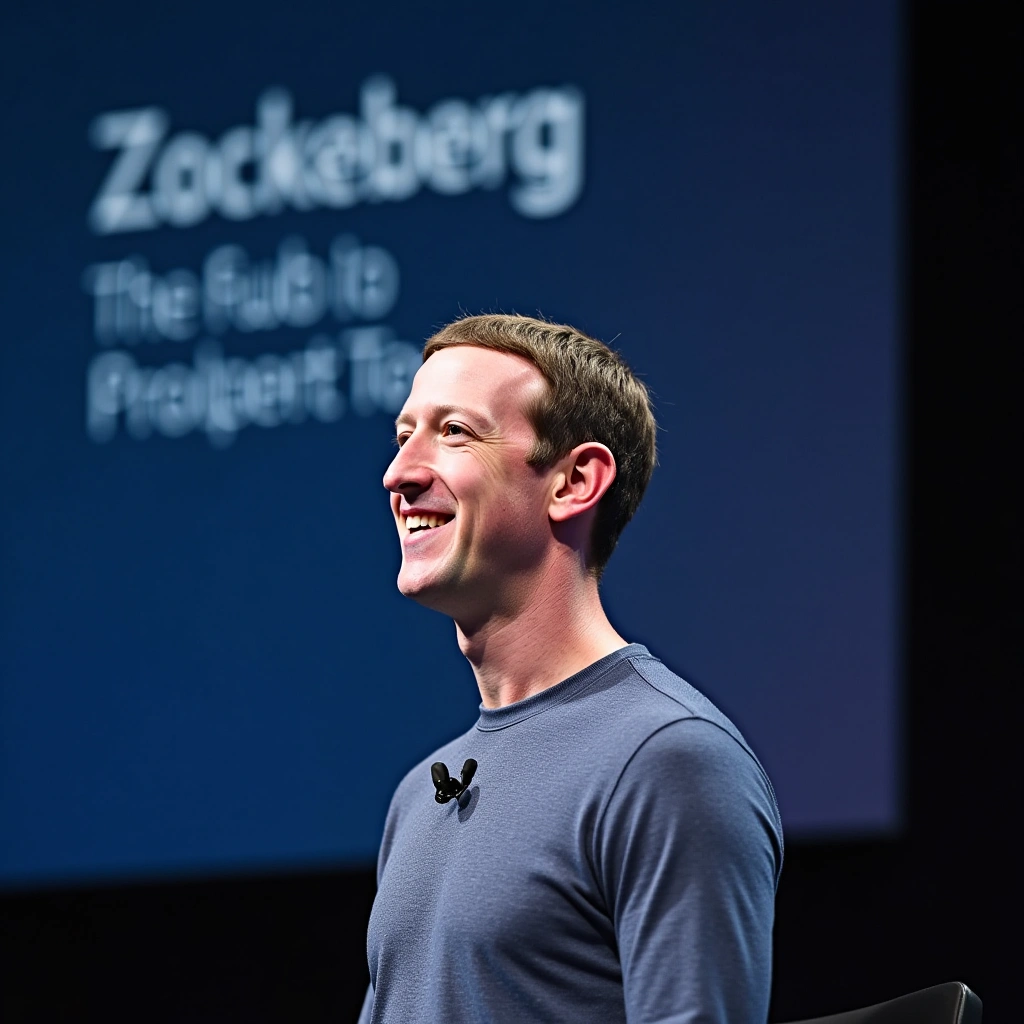
Ah, the tech world. Where dreams are built, and sometimes, dreams are just unceremoniously tossed out like last week’s leftovers. Today, we’re dissecting the latest juicy tidbit from the land of social media giants: Mark Zuckerberg has pointed the finger at AI costs for the recent layoffs of 8,000 staffers at Meta. Yes, you heard it right—8,000! That’s not just a small town; that’s a whole population of people.
Now, before you start clutching your pearls and saying, ‘Oh, Mark, how could you?’, let’s break this down. The corporate world has a tendency to play the blame game like it’s a competitive sport. And who better to blame than the technology that’s supposed to make our lives easier? It’s like blaming your GPS for getting you lost instead of admitting you can’t read a map.
So, what exactly did Zuck say? In his latest earnings call (or as I like to call it, the ‘Let’s Just Pretend We’re Not Panic-Stricken’ call), he mentioned that the costs associated with AI were a significant factor in the layoffs. Apparently, the shiny new AI toys are not just for show; they come with hefty price tags that would make even the most extravagant of weddings look like a garage sale.
But let’s be real here—layoffs are the corporate equivalent of getting dumped over text. It’s cold, it’s harsh, and it often leaves everyone involved feeling a little confused and a lot hurt. And while Zuck might be trying to paint a picture of ‘Hey, it’s not you, it’s the AI!’, the reality is that these layoffs can feel like a betrayal to employees who poured their hearts and souls into their work.
Some people might argue that cutting staff to make room for AI is just progress. After all, we’ve all seen the memes about robots taking over the world. But let’s not kid ourselves: progress comes with a price, and that price is often paid in human capital. Is it really progress if it means thousands of people are out of a job? Or is it just a fancy way of saying, ‘Oops, we miscalculated’?
And what about the remaining employees? You can bet your bottom dollar that they’re feeling a bit nervous. Nothing like watching your colleagues pack their bags to give you a case of the jitters. It’s like being at a party where everyone starts leaving because someone accidentally spilled a drink on the host.
So, what’s the solution here? Do we just embrace the robots and let them take over our jobs, or do we start a grassroots movement to bring back the human touch? Perhaps we should all take a page from the old-school playbook and find a balance. After all, AI is here to assist, not to replace—unless, of course, it’s your buddy who always beats you at video games. Then it’s definitely time for a friendly competition.
In conclusion, while Zuck’s excuse might hold some water, it’s hard not to feel like this is just another chapter in the ongoing saga of corporate maneuvering. Layoffs are tragic, and attributing them to AI feels a bit like using a scapegoat in a horror movie. So, let’s raise a glass to the 8,000 brave souls who ventured into the wild world of tech and got caught in the crossfire. Here’s hoping they land on their feet—and that Zuck learns how to juggle robots and real people a little better next time.