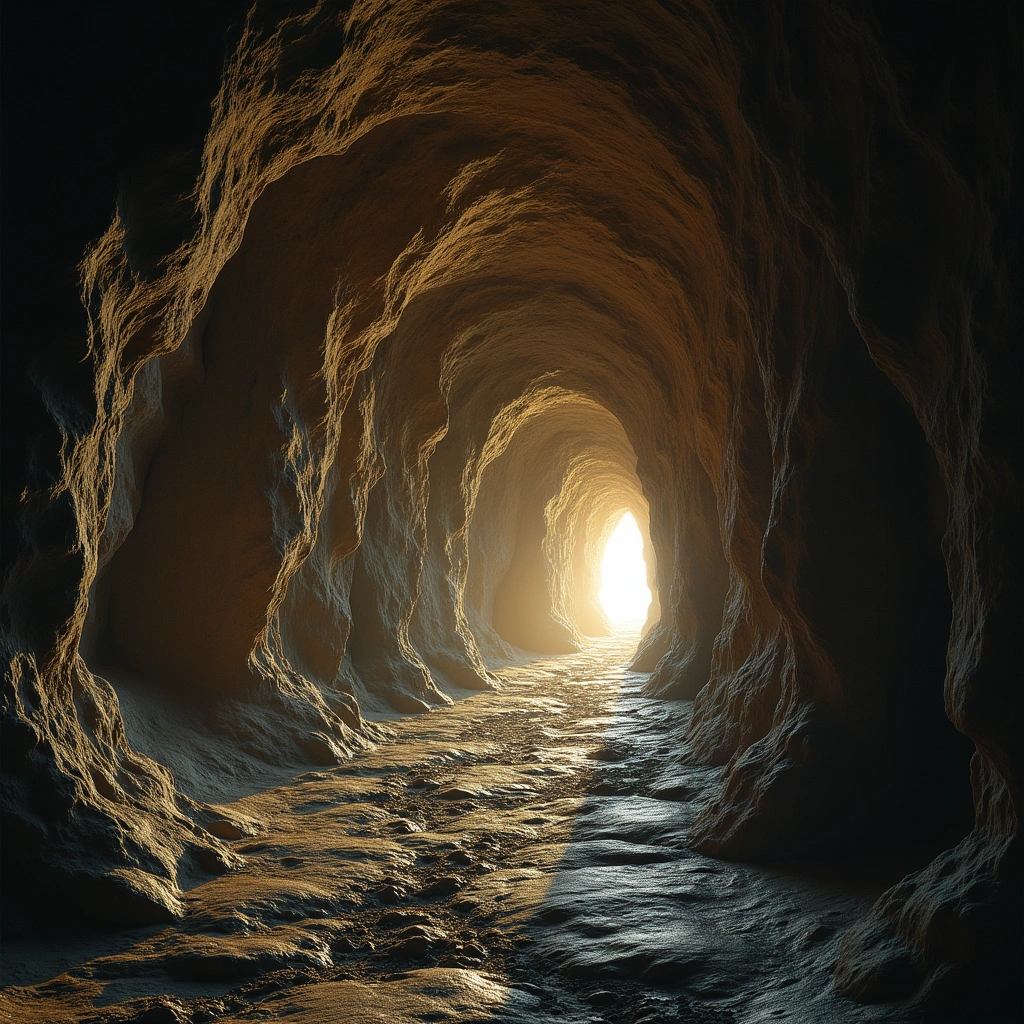
Picture this: a young French scientist, Michel Siffre, decides to take the ultimate vacation — a two-month stay in a dark, damp cave, completely cut off from the world above. No clocks, no calendars, and certainly no sunlight. Sounds like a horror movie plot, right? But instead, it’s a fascinating tale of science, time, and the human psyche.
On July 16, 1962, Siffre descended into the Scarasson cavern in the Ligurian Alps, armed with nothing but a one-way telephone line to a support team above. He could reach out for help, but they were sworn to secrecy about the time and date. Imagine that! It’s like being in a reality show where the producers forgot to tell you when it’s time to go home.
During his stay, Siffre operated on his own internal clock. He ate when he was hungry, slept when he was tired, and basically lived life like a bear in hibernation, without the whole “eating a ton of food before going to sleep” part. As days turned into weeks, he lost all sense of time. When his team finally revealed that his experiment was over, he was convinced he had weeks left to go. Talk about a plot twist! Depending on who you ask, he was off by anywhere from two weeks to a whole month. So what happened? Did he accidentally discover the secret to time travel?
Well, not quite. The experiment revealed some profound insights about our internal body clocks, or what scientists call circadian rhythms. You see, Siffre’s sleep-wake cycle didn’t adhere to the usual 24-hour pattern; it stretched to about 24.5 hours. It’s as if his body decided, “Hey, who needs sunlight and clocks when I can just run on my own schedule?” This phenomenon was later termed a “free-running circadian rhythm.” Fancy, right? It turns out that without external cues, our bodies can go a little rogue.
Now, let’s get a bit more technical. Circadian rhythms are influenced by factors known as zeitgebers, which is a fancy German term that means “time-givers.” These include light, meal times, and the schedules of other people. When you take all of that away, like in Siffre’s cave, our internal clocks don’t just slow down; they start to wander off into the wilderness of time.
But Siffre’s misjudgment wasn’t just about the length of a day. The real kicker was psychological. In that cave, with no changing light and little variety in his daily routine, his perception of time got squished. It’s as if he was in a time warp where days blended into each other. He wasn’t just late; he lost track of what “time” even meant. How’s that for a mind-bending revelation?
Now, you might be wondering what this means for the rest of us. Well, if you’ve ever been so engrossed in a Netflix binge that you lost track of time, you’ve experienced a tiny taste of what Siffre went through. It’s a reminder of how much our lives are dictated by external time cues. And with the hustle and bustle of modern life, maybe it’s time we all took a page from Siffre’s book and embraced a slower pace once in a while.
In conclusion, Michel Siffre’s cave experiment is a wild and entertaining reminder of how our minds and bodies interact with time. It’s a tale that gives you a chuckle while also making you think, “Maybe I should put my phone down and enjoy the moment.” So next time you find yourself wondering where the time went, just remember: it might be lurking in a cave somewhere, having a party without you.
Inspired by: “Lost in Time: What a French Scientist’s Cave Adventure Taught Us About Our Internal Clocks”