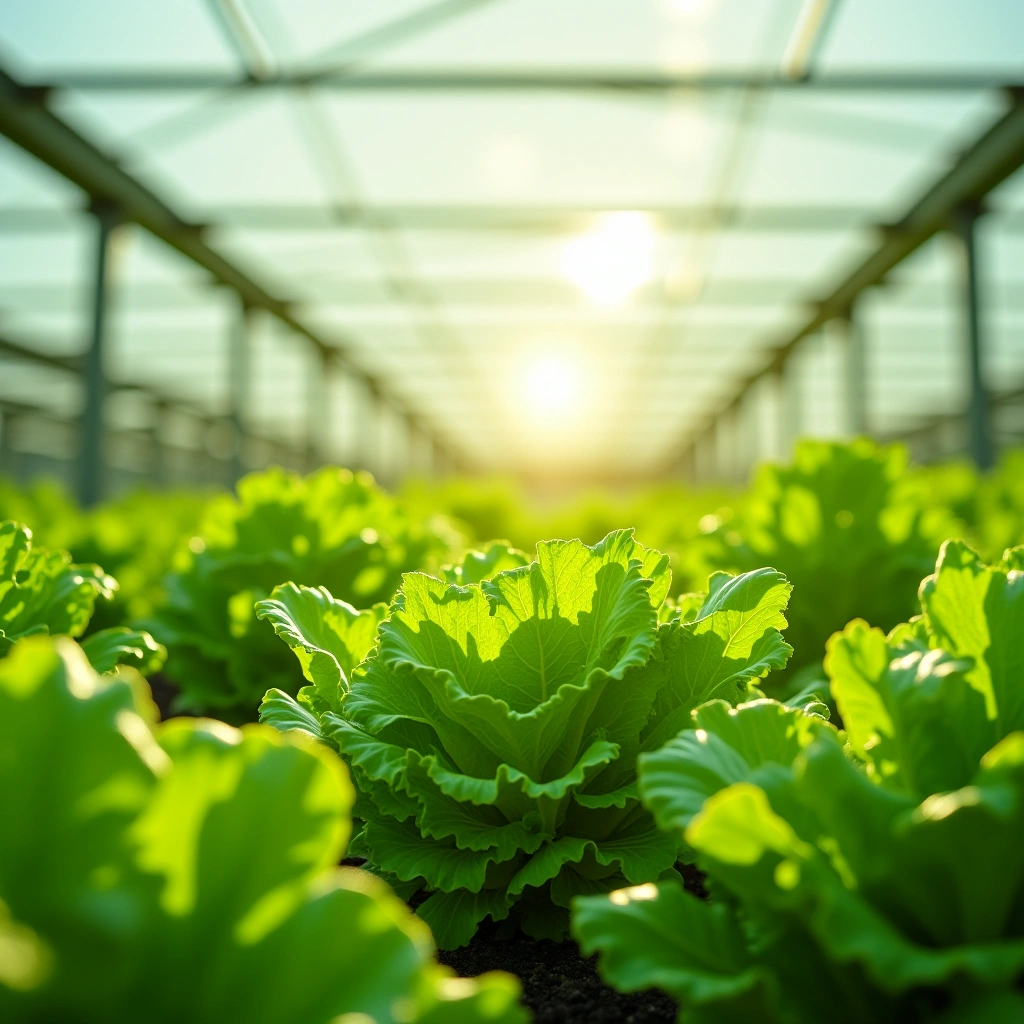
Under a hypothetical 25% reciprocal tariff between Canada and the U.S., agrivoltaic lettuce production could offset the value of Canadian lettuce imports from the U.S., with estimated additional revenue ranging from CAD $26.8 to CAD $779 million. Agrivoltaics could also contribute up to 3.3 TWh of solar electricity if deployed widely on existing lettuce farms, supporting nearly 20% of Canada's current electricity exports.
If you think the future of climate change is all about melting ice caps and rising sea levels, you might want to grab a seat—because we’re about to dive into a topic that’s equally pressing and slightly more crunchy: lettuce. Yes, you heard me right. According to recent discussions (thanks, Reddit!) and a rather enlightening article from Forbes, our leafy greens might soon need a little extra TLC in the form of solar panel shade.
Now, before you roll your eyes and think, “Great, just what I needed—more reasons to worry about my salad,” let’s break it down. Climate change is no longer a distant threat; it’s knocking at our kitchen door, and it’s bringing some unexpected guests along—like lettuce that can’t handle the heat.
Picture this: it’s the year 2030, and you’re in your backyard trying to grow some fresh greens. You’ve got your raised garden beds, your organic soil, and maybe a cute little garden gnome for aesthetic purposes. But wait! The sun is blazing down like it’s auditioning for a role in a summer blockbuster, and your poor lettuce is wilting faster than your motivation to go to the gym.
According to the Forbes article, researchers have found that as temperatures rise, traditional crops like lettuce are likely to struggle. They might not just get a little crispy; they could very well go extinct in certain areas if we don’t adapt our farming techniques. So, what’s the solution? Enter solar panels—yes, those shiny rectangles that are usually associated with saving energy and reducing your electricity bill.
The idea is simple yet brilliant: use solar panels to provide shade for our beloved lettuce. It’s like giving your plants a cozy umbrella to lounge under while sipping on some lemonade. This not only protects them from the harsh sunlight but also allows us to harness solar energy for other uses. Talk about multitasking!
But before you start envisioning your garden looking like a futuristic sci-fi movie set, there are a few practicalities to consider. First off, how do we even go about installing solar panels in a way that benefits the plants? And let’s not forget about the cost—because if you thought organic lettuce was pricey now, wait until you see the price tag on a solar-panel-shaded lettuce farm.
Still, this innovative approach could be a game-changer for agriculture, especially in regions that are becoming increasingly inhospitable to traditional farming. It’s a win-win: farmers get to protect their crops, and we get to keep enjoying our salads without feeling like we’re contributing to the extinction of our green friends.
So, as we look toward the future, let’s keep our fingers crossed that our farmers embrace this solar-shaded lettuce revolution. Because if we can save our salads while also saving the planet, I’d say that’s a pretty good deal. Plus, who wouldn’t want to brag about their eco-friendly garden setup at the next barbecue?
In conclusion, the future may look a bit different than we imagined, but if it means we get to enjoy fresh, crispy lettuce without the guilt of contributing to climate change, I’m all for it. Just remember to thank the solar panels next time you’re tossing that salad. They might just be the unsung heroes of the climate crisis.
Inspired by: “Future Climate: Lettuce Will Need Solar Panel Shade” (r/climatechange)