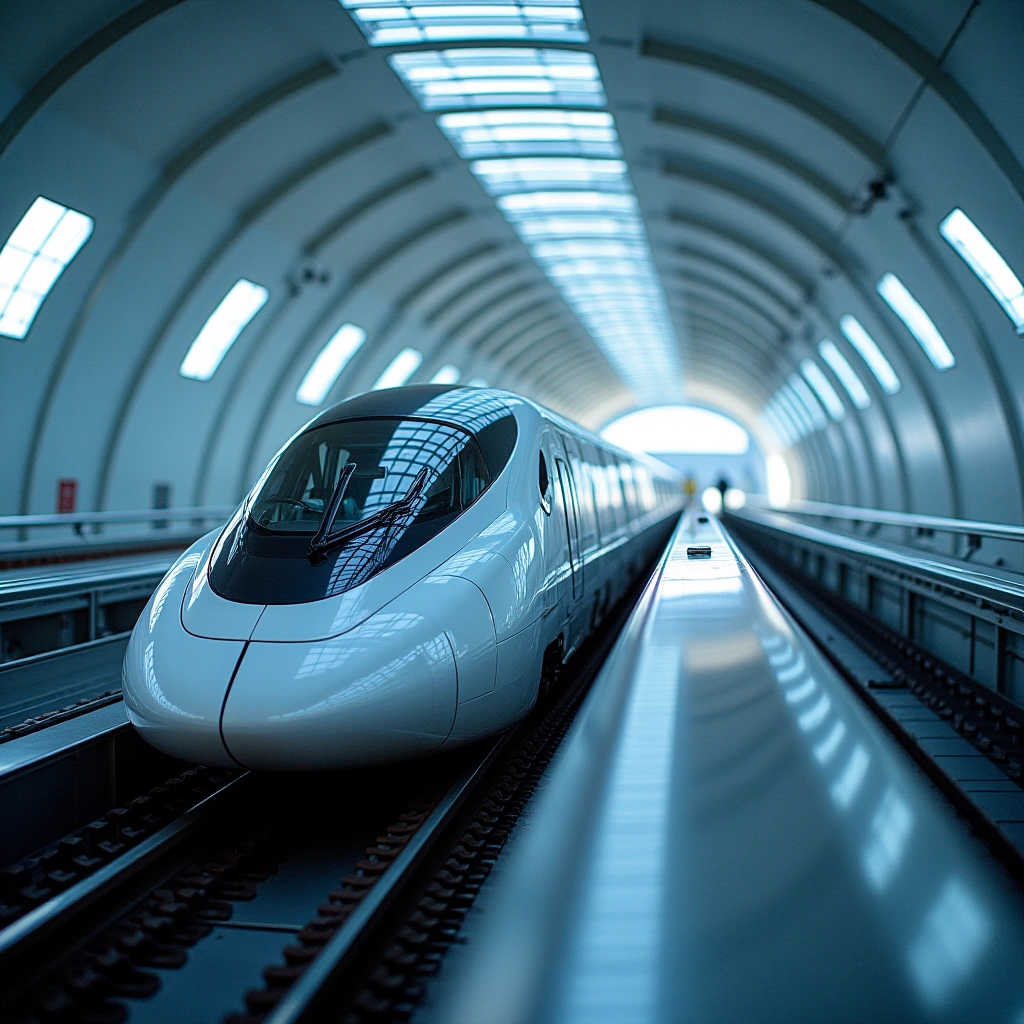
Ah, Japan’s maglev train project. It’s like that friend who always promises to show up but never quite makes it on time. We’ve been waiting for this marvel of technology for over a decade now, and it seems like the only thing that’s moving faster than the speed of sound is the timeline for its completion. So, what’s the latest on this high-speed rail saga? Let’s dive in!
Central Japan Railway now expects the train line’s opening to be in 2036, at the earliest, even if construction kicks off by the end of this year.
First off, if you’re not familiar, the maglev (short for magnetic levitation) train is a futuristic mode of transport that floats above the tracks, thanks to powerful magnets. This means no friction, which theoretically allows it to reach mind-boggling speeds—like 600 kilometers per hour (that’s about 373 miles per hour for those of you still clinging to the Imperial system). Imagine zooming from Tokyo to Osaka in just a blink! Well, that’s the dream, folks.
But here’s the kicker: this dream has been on hold longer than your Netflix queue. The project has faced numerous delays, prompting some to wonder if it’s ever going to see the light of day. Recently, there have been calls for clarity on the timeline, because, honestly, we’ve all had enough of vague updates and ‘we’ll get back to you’ responses. It’s like waiting for your crush to text you back—frustrating and nerve-wracking.
The original plan was to have the maglev operational by 2027, but with all the hiccups along the way, that date is looking more like a suggestion than a deadline. Delays have been attributed to various factors including construction issues, environmental concerns, and, of course, the ever-present bureaucratic red tape that seems to wrap around projects in Japan tighter than a sushi roll.
Now, don’t get me wrong, I get it. Building a high-speed rail line isn’t exactly like putting together IKEA furniture. There are a million moving parts, and you can’t just wing it with a couple of Allen wrenches. But the public is getting restless. After all, it’s not like we’re asking for a flying car—just a train that can glide above the ground at an insane speed.
So, what’s the response from officials? They assure us that progress is being made—slowly but surely, like a tortoise in a race against a hare that’s already taken a nap. However, the lack of a clear timeline has left many scratching their heads and wondering if we’ll be riding the maglev before or after we retire.
In all seriousness, though, the maglev project is crucial for Japan’s future transportation infrastructure. It’s not just about speed; it’s about reducing congestion, cutting travel times, and promoting eco-friendly travel. If they can get it off the ground—literally—it could set a precedent for high-speed rail systems around the world.
So, as we continue to wait with bated breath for updates, let’s just hope that the next announcement isn’t yet another ‘we’ll keep you posted.’ Because at this point, we’re all ready to hop on that train, even if it means we have to bring our own snacks and entertainment for the ride. Here’s to hoping for a speedy resolution—pun intended!
Inspired by: “Japan maglev project faces calls to clarify timeline after decade of delays” (r/technology)