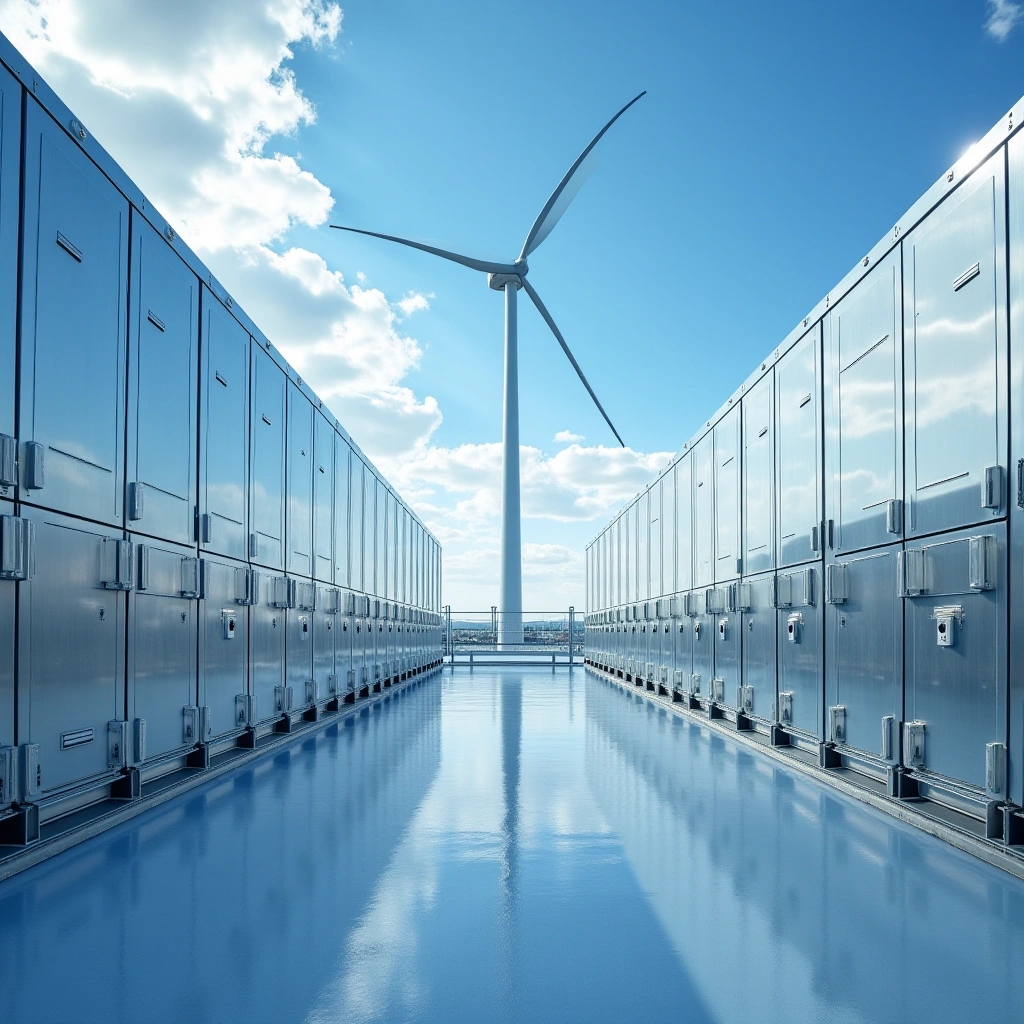
Japan, a country known for its sushi, cherry blossoms, and a slightly obsessive love for technology, is now making headlines for another reason: battery storage plants. Yes, you heard that right! The Land of the Rising Sun is on a mission to supercharge its renewable energy push, and battery storage is taking center stage.
As solar power surges, gas plants strain from constant cycling. Utilities are racing to install battery storage, backed by government subsidies and markets.
So, why are battery storage plants suddenly popping up like mushrooms after a rainstorm across Japan? Well, it all boils down to one simple fact: renewable energy sources like solar and wind are fantastic, but they have a little quirk — they don’t always produce energy when we need it. Picture this: it’s a sunny day, and your solar panels are working overtime, but the moment you decide to host a barbecue, the clouds roll in, and your power supply dips faster than your enthusiasm for that veggie burger.
Enter battery storage plants, the unsung heroes of the energy world. These facilities store excess energy generated during peak production times and release it when demand is high or supply is low. They’re like the energy equivalent of that friend who always has your back, even when the chips are down (or should I say, when the sun’s not shining?).
Japan has recognized the need for this technology, especially after the Fukushima disaster in 2011, which shook the country’s faith in nuclear energy. The nation has since been on a quest for safer, cleaner energy alternatives. Fast forward to today, and battery storage is not just a buzzword; it’s a crucial component of Japan’s strategy to increase the share of renewables in its energy mix.
But hold on, it’s not just about building battery plants and calling it a day. Japan is also focused on improving the technology behind these batteries. The country is investing in research and development to enhance efficiency, capacity, and lifespan. It’s like upgrading from a flip phone to the latest smartphone — nobody wants to go back once they’ve experienced the difference.
And let’s not forget the economic angle. The growth of battery storage plants is creating jobs and stimulating local economies. Who knew that saving the planet could also boost your job prospects? It’s a win-win situation!
Of course, as with any great plan, there are challenges ahead. The initial costs of building these battery storage systems can be intimidating. It’s like trying to convince your friend to invest in a fancy coffee machine instead of just buying a cup at the café — the upfront costs are high, but the long-term savings (and endless lattes) are worth it.
Additionally, there’s the issue of land use. Finding suitable locations for these plants without disrupting local communities or natural habitats is a bit like playing a game of Tetris — you want to make everything fit just right without causing a mess.
In conclusion, Japan’s battery storage plants are not just a trend; they’re a fundamental part of the country’s renewable energy future. As the nation continues to invest in this technology, we can expect to see a more resilient energy grid, increased energy independence, and a significant step towards a cleaner planet. So, next time you see a battery storage plant, think of it as a power-packed superhero, quietly working in the background to save the day (and the environment).
Let’s raise a glass (or a reusable water bottle) to Japan’s innovative approach to energy. Here’s hoping the rest of the world is taking notes!
Inspired by: “Battery Storage Plants Spread Across Japan to Shore Up Renewable Energy Push” (r/technology)