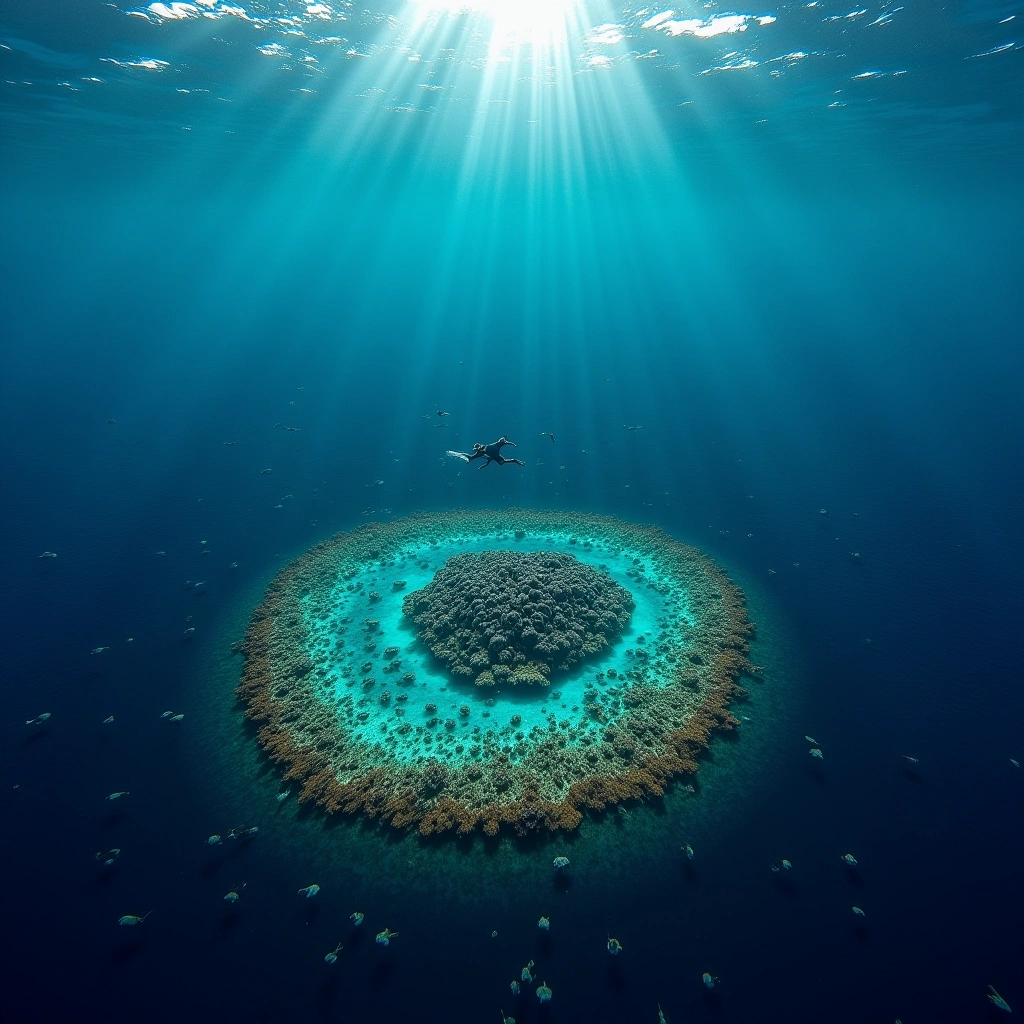
El Niño summers are a serious concern for the health of the Great Barrier Reef . El Niño brings hotter, drier conditions and raises the risk of marine heatwaves. Higher than average ocean temperatures can cause heat stress for corals, which can lead to mass coral bleaching events.
The Great Barrier Reef, one of the planet’s most stunning natural wonders, is currently in the spotlight as we gear up for yet another Super El Niño. You might be thinking, ‘What exactly is a Super El Niño, and why should I care?’ Well, my friend, let’s dive into this topic (no pun intended) and explore what this means for our beloved reef.
First off, let’s clarify what Super El Niño is. It’s not some superhero that saves the day when the weather gets too crazy, although wouldn’t that be nice? Instead, it’s an extreme version of the El Niño phenomenon, which involves a significant warming of ocean surface temperatures in the central and eastern Pacific. This warming can have widespread effects on global weather patterns, and unfortunately, the Great Barrier Reef is one of the most vulnerable ecosystems in the world.
Now, you might be asking yourself, ‘Why should I care about a bunch of fish and corals?’ Well, besides the fact that they’re incredibly cool (seriously, have you seen a clownfish in its natural habitat?), the reef supports a diverse range of marine life and is a crucial part of the ocean’s ecosystem. It also contributes significantly to the economy through tourism, fishing, and scientific research. So, if the reef doesn’t survive, it’s not just about losing a pretty view; it’s about losing jobs, biodiversity, and a whole lot of marine magic.
This year, scientists are raising alarms that the Great Barrier Reef could be reaching a breaking point, primarily due to the anticipated impacts of this Super El Niño. Coral bleaching, which occurs when corals become stressed and expel the algae that give them color and nutrients, is a significant concern. When the water temperature rises, corals can bleach and, if conditions don’t improve, they can die. And let’s be honest, a dead reef is not a great tourist attraction.
Previous El Niño events have already caused significant damage to the reef, leading to mass bleaching events in 2016 and 2017. Experts warn that if this year’s Super El Niño hits as hard as predicted, it could be the final nail in the coffin for the reef. So, what does that mean? Well, it’s a bit like watching a slow-motion disaster unfold—only instead of a train wreck, it’s a beautiful underwater ecosystem slowly succumbing to the heat.
Now, before you throw your hands up in despair thinking all hope is lost, it’s important to recognize that there are still things we can do. Supporting sustainable tourism, reducing carbon emissions, and advocating for policies that protect marine environments are all steps in the right direction. It’s not too late to rally for our reef!
In conclusion, while Super El Niño may sound like the title of a movie featuring a heroic dolphin, it’s a serious issue that could spell disaster for the Great Barrier Reef. So let’s keep our fingers crossed and our voices loud in support of this extraordinary underwater wonder. Because if we don’t, we might just be left with a vast expanse of ocean where a vibrant reef used to be. And trust me, nobody wants that.
Inspired by: “The Great Barrier Reef’s breaking point: Could this year’s Super El Niño be the one it can’t recove…” (r/climatechange)