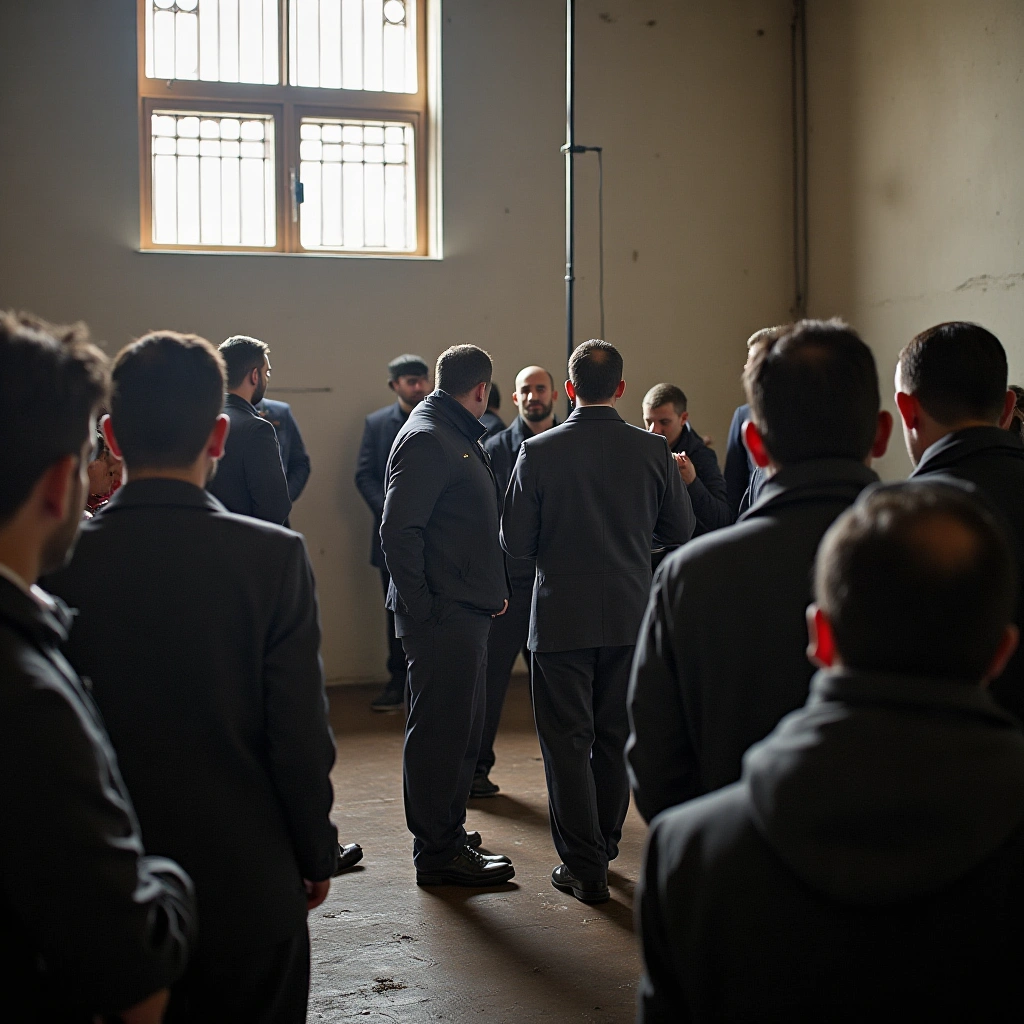
Public executions returned to the streets of Iran last week as the regime clamps down on public dissent after months of war with the U.S. and mass protests in January .
In a move that has drawn international attention, Iran recently executed three men convicted of engaging in activities purportedly linked to Israel and the United States during the January anti-government protests. Now, before you roll your eyes and say, ‘Oh great, another day, another execution,’ let’s dig a little deeper into what’s going on here.
These three individuals were accused of serious crimes: arson, sabotage, and inciting violence. To put it mildly, that’s not the kind of resume you want if you’re trying to get a job at the local grocery store. But in the context of Iran’s political climate, it’s a whole different ball game. The country has been on high alert since the protests erupted, with the government keen to suppress dissent and maintain control.
These executions are part of a broader pattern. In fact, Iran has been on a bit of a death sentence spree lately, with critics arguing that the government is using these harsh measures to instill fear in the populace. It’s like the ultimate power move: ‘You want to protest? Sure, but remember what happened to the last guys who tried!’
The Supreme Court of Iran upheld the convictions, which is about as surprising as finding out your cat prefers knocking things off the table over using its scratching post. The judiciary in Iran operates under a very different set of rules than most of us are accustomed to, and often, the outcomes are predetermined. It’s a system where dissent is not just frowned upon; it’s met with the kind of severity that makes you wonder if they’ve ever heard of a good old-fashioned debate.
Now, let’s not forget the backdrop of these protests. In January, many Iranians took to the streets, fueled by a mix of frustration over economic hardships and a desire for more freedoms. It’s a familiar tale in many parts of the world, where citizens rally against what they see as oppressive regimes. However, in Iran, the stakes are significantly higher, and the government response can be brutal.
So, what does this mean for the average Iranian citizen? Well, if you were thinking of voicing your opinion or joining a protest, you might want to reconsider. It’s a chilling reminder of the lengths to which some governments will go to maintain their grip on power. And as the world watches, the question remains: how much longer can this cycle of violence and repression continue?
In the grand scheme of things, these executions are not just about these three men; they represent a much larger struggle within Iran. It’s a complex issue that involves international relations, national sovereignty, and the basic human desire for freedom. And while we can sit here and analyze it, the reality is that for many Iranians, this is a daily battle for survival.
So, the next time you hear about executions in Iran, remember the broader context. It’s not just about the headlines; it’s about the lives affected and the ongoing struggle for rights and freedoms in a nation caught between tradition and modernity. And let’s be real, no one should have to pay the ultimate price just for wanting to express their opinions.
In conclusion, while we may not have all the answers, one thing is clear: the situation in Iran is far from simple, and the stakes are incredibly high. So, keep an eye on this story, because it’s likely to evolve further, much like your attempts to get your cat to stop knocking things over.
Inspired by: “Iran executes 3 men accused of carrying out operations for Israel, US during protests” (r/World)