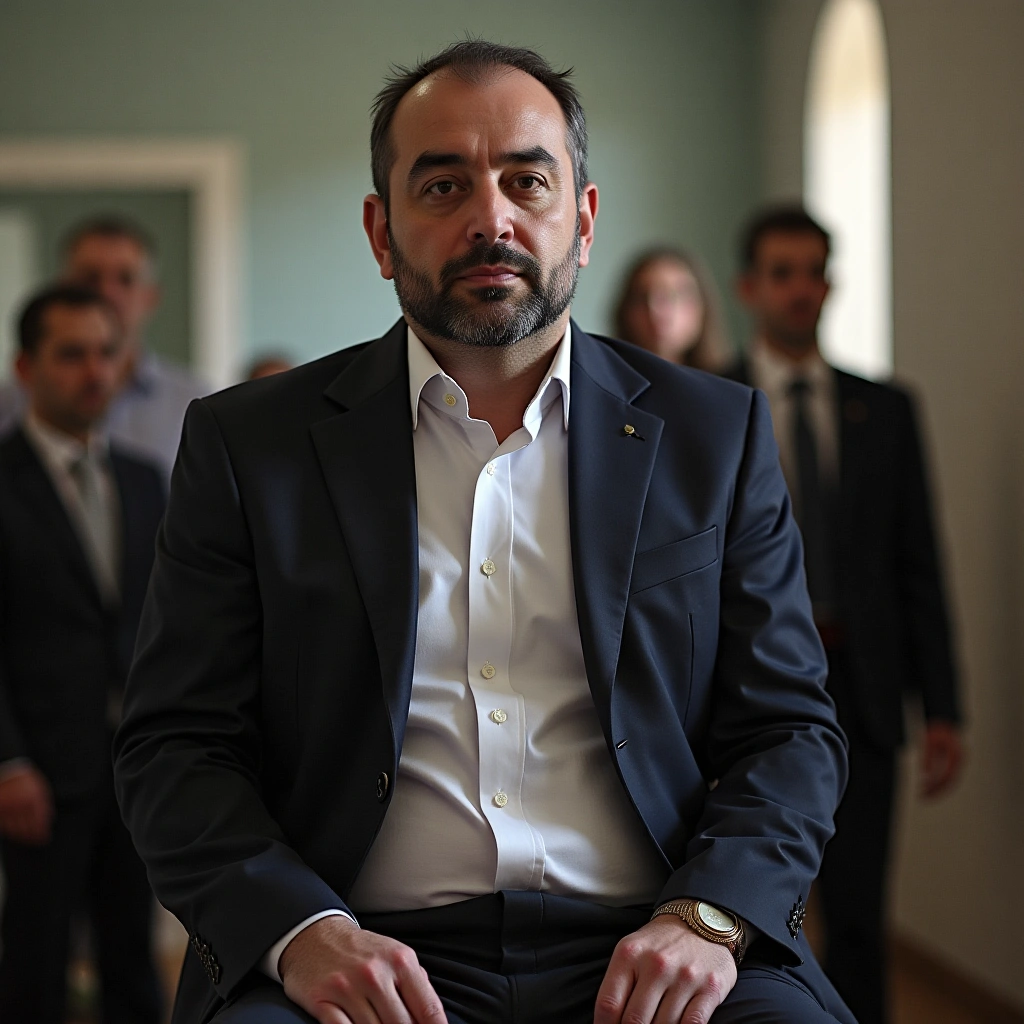
Iran carried out the execution of Mohammad Aref Shahbakhsh.
In a move that has sparked discussions across various platforms, Iran recently executed Mohammad Aref Shahbakhsh, a member of the Sunni militant group Jaish al-Adl. His crime? Involvement in an armed attack on a police station. Now, before you start thinking about how this sounds like the plot of a low-budget action movie, let’s dive into the details—because, believe it or not, this is real life, and it’s not nearly as entertaining as Hollywood would have you believe.
Shahbakhsh was convicted of armed rebellion and, in a twist that’s as dramatic as it is serious, “waging war against God.” I mean, when you throw in a divine element, things get a bit more serious, don’t they? This isn’t just a regular old crime; this is a full-blown celestial showdown! But let’s not get too carried away with the theatrics—this is a matter of life and death, and the consequences are all too real.
The attack in question took place at the Qaleh Bid police station in Khash, located in the Sistan-Baluchestan province. Now, details about the actual attack and the number of casualties among police officers remain shrouded in mystery. It’s almost like the authorities are playing a game of hide-and-seek with information, and sadly, we’re the ones left seeking.
Sistan-Baluchestan, the province where this all went down, has been a hotspot for tensions between various ethnic groups and the Iranian government. The Baluch people, who primarily identify as Sunni Muslims, have often found themselves at odds with the predominantly Shia Iranian regime. This context adds another layer of complexity to Shahbakhsh’s execution. It’s not just about one man’s actions; it’s a reflection of a much larger, ongoing struggle.
Now, let’s talk about executions in Iran. They’re not exactly rare events. The country has a rather infamous reputation when it comes to capital punishment, with reports indicating that Iran executes more people per capita than almost any other country in the world. It’s a grim statistic that leaves you wondering what the world would look like if everyone channeled that energy into, I don’t know, knitting or baking instead?
The international community often raises eyebrows at Iran’s justice system, and this execution is likely to stoke those flames. Critics argue that the Iranian government uses executions as a tool to instill fear and suppress dissent. In a world where social media can amplify voices and rally protests, it seems they’re trying to keep a tight grip on the narrative.
As we digest this news, it’s essential to remember that every execution has a story behind it—a complex web of politics, religion, and human behavior. Shahbakhsh’s execution is no exception. It raises questions about justice, the role of government, and the balance between maintaining order and respecting human rights.
So, while we may chuckle at the absurdities of life, let’s not forget that for many, this isn’t just a headline—it’s a harsh reality. The world can be a dark place, and sometimes, it feels like we’re just watching a never-ending cycle of action and drama where the stakes are incredibly high. Let’s hope that one day, we can turn the page on stories like these and write a different narrative—preferably one where people don’t have to fear for their lives over political disagreements.
In the meantime, stay informed, stay engaged, and remember: sometimes, the real world is far stranger—and far more tragic—than fiction.
Inspired by: “Iran executes Baluch militant over armed attack on police station” (r/News)