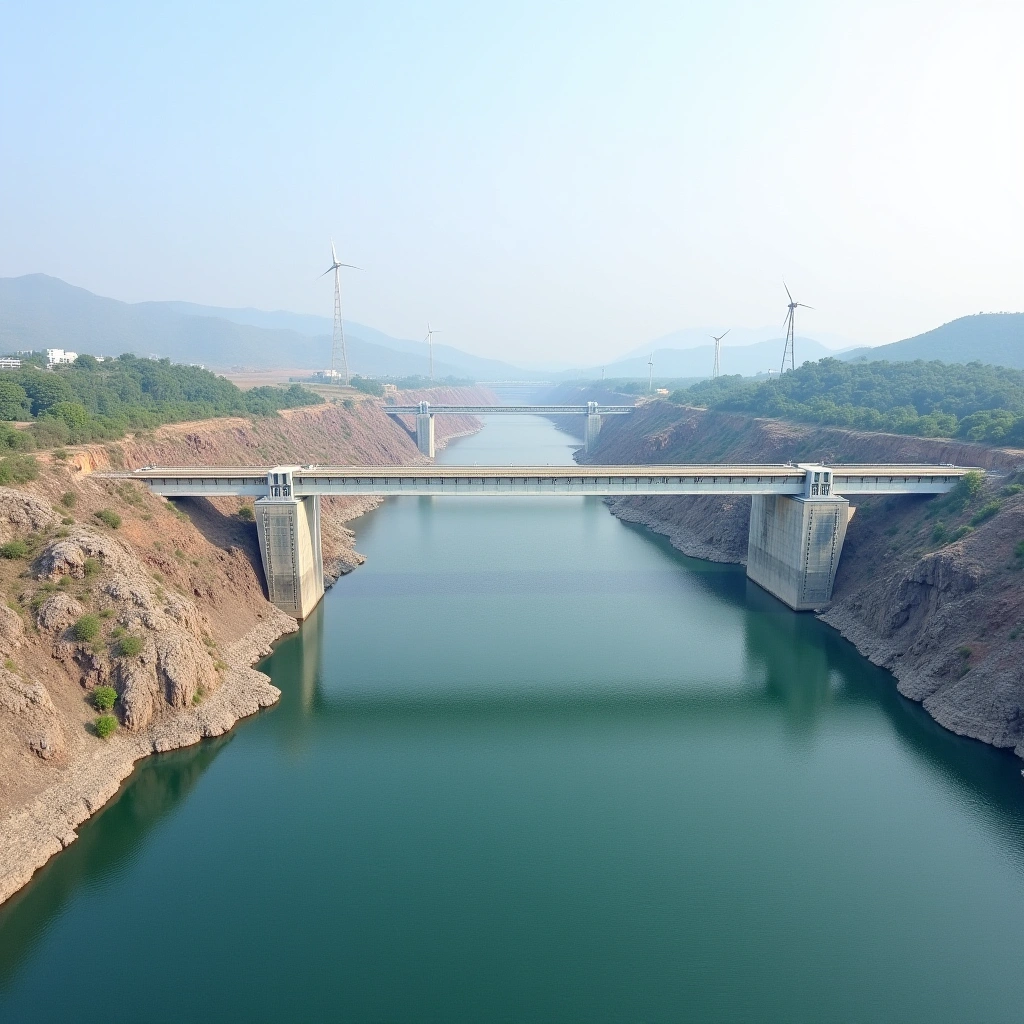
India is on a mission, and it’s not just the kind of mission that involves finding the best curry in town. No, this is a serious endeavor aimed at maximizing the country’s clean energy potential. With a target of achieving 100 gigawatts (GW) of pumped storage capacity, India is stepping up its game in the renewable energy sector. But what does this mean for the average person, and why should you care?
National plans aim to expand pumped storage capacity from approximately 3.5 – 5 GW today to as much as 50 – 57 GW by 2032 and potentially 100 GW by 2035, supported by competitive bidding frameworks, integrated tariff structures, and central …
First off, let’s break down what pumped storage is, because, let’s be honest, it sounds a bit like something you’d find in a sci-fi novel. In simple terms, pumped storage is a method of storing energy by using two water reservoirs at different elevations. When there’s excess electricity (think sunny days and windy nights), water is pumped from the lower reservoir to the upper one. Then, when the power demand spikes (like when everyone decides to binge-watch their favorite series on Netflix), that water is released back down to generate electricity. It’s like a giant battery, but with water instead of lithium.
Now, why is India so keen on achieving this 100 GW pumped storage goal? Well, here’s the scoop: with the increasing reliance on renewable energy sources like solar and wind, there’s a growing need for energy storage solutions. The sun doesn’t always shine, and the wind doesn’t always blow. So, having a robust pumped storage system can help balance the grid and ensure a steady supply of electricity, even when Mother Nature is having an off day.
This ambitious project is part of India’s broader clean energy push, which aims to reach 500 GW of renewable energy capacity by 2030. Yes, you heard that right—500 GW! That’s enough energy to power a small country (or at least a really, really large city). With the world increasingly aware of the impacts of climate change, India’s commitment to clean energy is not just commendable; it’s necessary.
But wait, there’s more! The pumped storage initiative is expected to create thousands of jobs, boost local economies, and contribute to energy security. Who wouldn’t want to be part of something that sounds so heroic? Imagine telling your friends you work in pumped storage—sounds way cooler than just saying you’re in marketing, right?
However, let’s not ignore the challenges. Building pumped storage facilities isn’t as easy as pie. It requires significant investment, infrastructure development, and, of course, finding suitable locations. The last thing you want is to accidentally build a reservoir in the middle of a city park. That might not go over too well with the locals.
So, as India embarks on this ambitious journey, it’s important to keep an eye on how things unfold. Will they hit that 100 GW target? Will they create a new energy revolution? Will they find a way to do it all without causing too much chaos? Only time will tell. But one thing is for sure: the future of clean energy looks bright, and India is determined to be at the forefront of it.
In conclusion, if you’re ever feeling overwhelmed by the complexities of clean energy and pumped storage, just remember: it’s all about harnessing the power of water and the sun to create a greener future. And who knows, maybe one day you’ll be able to say you were there when India decided to take the plunge into the world of pumped storage. Just don’t forget to bring your floaties!
Inspired by: “India targets 100 GW pumped storage boom in major clean energy push” (r/technology)