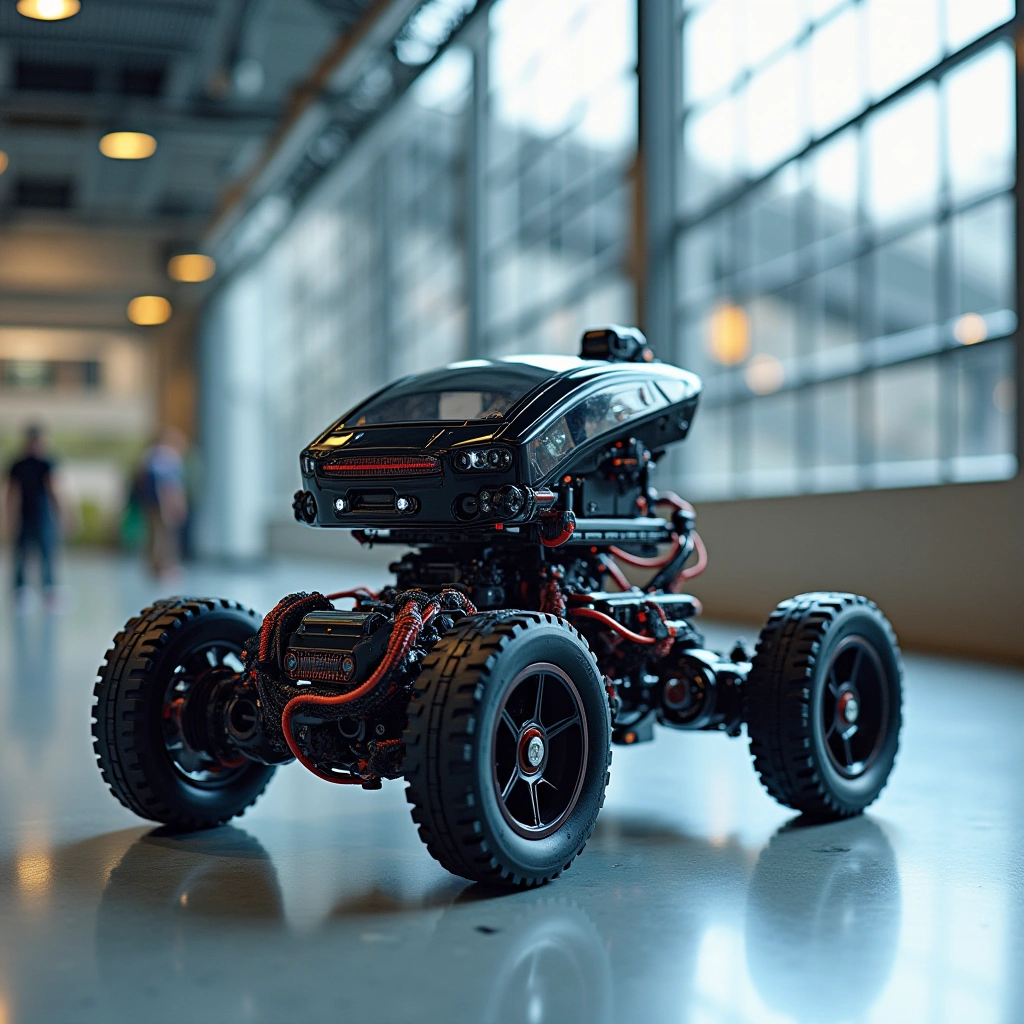
Hey there, tech enthusiasts and future cab-hailing connoisseurs! Buckle up because we’re diving into the wild world of robotaxis, specifically how Zoox flipped the script by starting with sensors before doing anything else. Seriously, if you think designing a car is as simple as drawing a rectangle and slapping on some wheels, you might want to think again.
So, what’s the deal with starting with sensors? Imagine you’re building a house, but instead of starting with the foundation, you decide to lay down the roof first. Sounds absurd, right? That’s how traditional automotive companies approach vehicle design—starting with aesthetics and performance, while Zoox said, “Nah, let’s get our eyes and ears sorted first!”
By prioritizing sensors, Zoox ensures that their robotaxis are more than just flashy boxes on wheels. These vehicles are designed to see and hear the world around them, making them akin to the friend in the group who always knows what’s going on—no gossip needed!
Let’s talk tech. Zoox uses a combination of LiDAR, cameras, and radar to create a 360-degree view of the environment. Imagine a superhero with a full set of senses instead of that one awkward guy who can barely hear you over the sound of his own breathing. This means their robotaxis can detect pedestrians, cyclists, and even that random squirrel that thinks it owns the road. Safety first, folks!
Now, once the sensors are in place, Zoox can actually design the vehicle around them—like putting together a puzzle instead of smashing pieces together like a toddler. This sensor-first strategy allows for a more streamlined and efficient design, which is crucial in a world where a single hiccup can mean the difference between a smooth ride and a very awkward encounter with a lamppost.
And let’s not forget about the software! With all that sensory data, the robotaxi needs a brain to process what’s happening. Zoox leverages advanced algorithms to make real-time decisions based on the data collected. It’s like having a super-intelligent friend who can predict the future, except instead of predicting who’s going to win the next episode of your favorite reality show, it’s keeping you safe on the road.
Of course, this approach isn’t without its critics. Some traditionalists argue that focusing on sensors over aesthetics means Zoox vehicles are just glorified toasters on wheels. But hey, if my toaster can drive me to work without me having to worry about traffic, I’ll take that trade-off any day! I mean, who needs a shiny hood ornament when you can have a safe ride?
In conclusion, Zoox has shown us that the future of transportation might just require us to think a little differently. By starting with sensors, they’ve laid the groundwork for a safer, more efficient, and downright cooler way to get around. So next time you’re stuck in traffic, just remember: your Uber might one day be a toaster, but at least it’ll be a smart one. Cheers to the future!