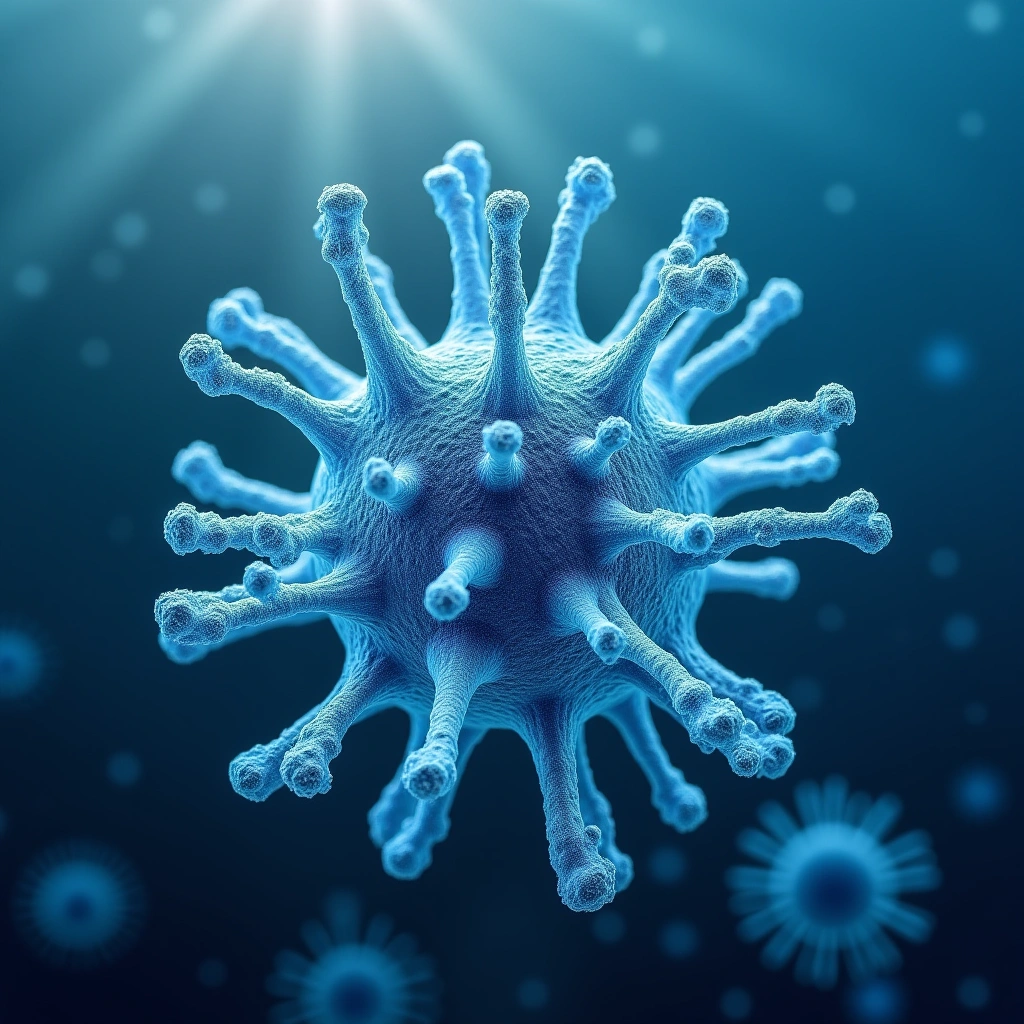
Have you ever thought about how much time, effort, and money goes into maintaining marine infrastructure? It’s a colossal task! From bridges to piers, these structures face a constant barrage of salty seawater, which can turn them into rust buckets faster than you can say “corrosion.” But fear not! We’ve got some tiny, microscopic heroes coming to the rescue: bacteria! Yes, you heard that right. Those little critters you often read about in your biology textbook are stepping up their game and building mineral shields that could revolutionize how we protect our marine structures.
Microbes are no longer silent stowaways; they are becoming strategic partners in maritime sustainability. Logan, B. E., & Regan, J. M. (2006). Microbial Fuel Cells. ASM Press. Rabaey, K., & Verstraete, W. (2005).
Imagine this: instead of relying solely on expensive coatings and treatments to stop rust in its tracks, we could harness the power of bacteria to create a natural barrier against corrosion. Sounds like something out of a sci-fi movie, right? Well, it’s happening! Researchers have discovered that certain bacteria can produce minerals that coat surfaces, effectively forming a protective shield. Think of it as nature’s own version of a superhero suit, but for steel and concrete.
So how does this bacterial magic work? These microorganisms, particularly those found in ocean environments, have the unique ability to precipitate minerals from their surroundings. They take dissolved minerals from the water and turn them into solid forms that cling to surfaces. This process not only helps the bacteria thrive but also creates a durable layer that can resist rust and degradation. It’s like they’re knitting a cozy little blanket for our bridges and boats, only instead of yarn, they’re using calcium carbonate and other minerals. Who knew bacteria could be so crafty?
Now, before you start picturing tiny bacteria with knitting needles, let’s talk about the practical implications of this discovery. If we can harness these bacteria effectively, we could significantly reduce the costs associated with marine maintenance. Think about it: less rust means fewer repairs, which means more money saved! Those funds could be redirected to other pressing issues, like fixing potholes on land or funding your next vacation. You know, priorities.
Of course, using bacteria in this way isn’t without its challenges. For one, scaling up the process from the lab to real-world applications is no small feat. Researchers will need to figure out how to ensure that these bacteria thrive in marine environments without causing any unintended consequences. After all, we’re not looking to create a new species of super bacteria that takes over the ocean and starts demanding its own reality TV show.
But the potential is there! Imagine a future where our marine infrastructure is not only more resilient but also more sustainable. We could be looking at a world where we rely on nature’s own solutions rather than synthetic chemicals and coatings that can be harmful to the environment. It’s a win-win, really. And who wouldn’t want to be able to say, “Yeah, my bridge is protected by bacteria” at the next dinner party?
In conclusion, the idea of bacteria building a mineral shield for marine infrastructure is not just a fascinating scientific discovery; it could be a game-changer for how we manage corrosion and maintenance in the marine world. So, the next time you see a rusting structure by the sea, remember: there might just be a tiny army of bacteria working hard to protect it. And who knows? Maybe one day, we’ll all be toasting to our new bacterial friends at the waterfront.
Until then, let’s raise a glass (or a petri dish) to the unsung heroes of the microbial world. They may be small, but their impact could be monumental!
Inspired by: “Bacteria build a mineral shield that could help marine infrastructure resist rust” (r/technology)