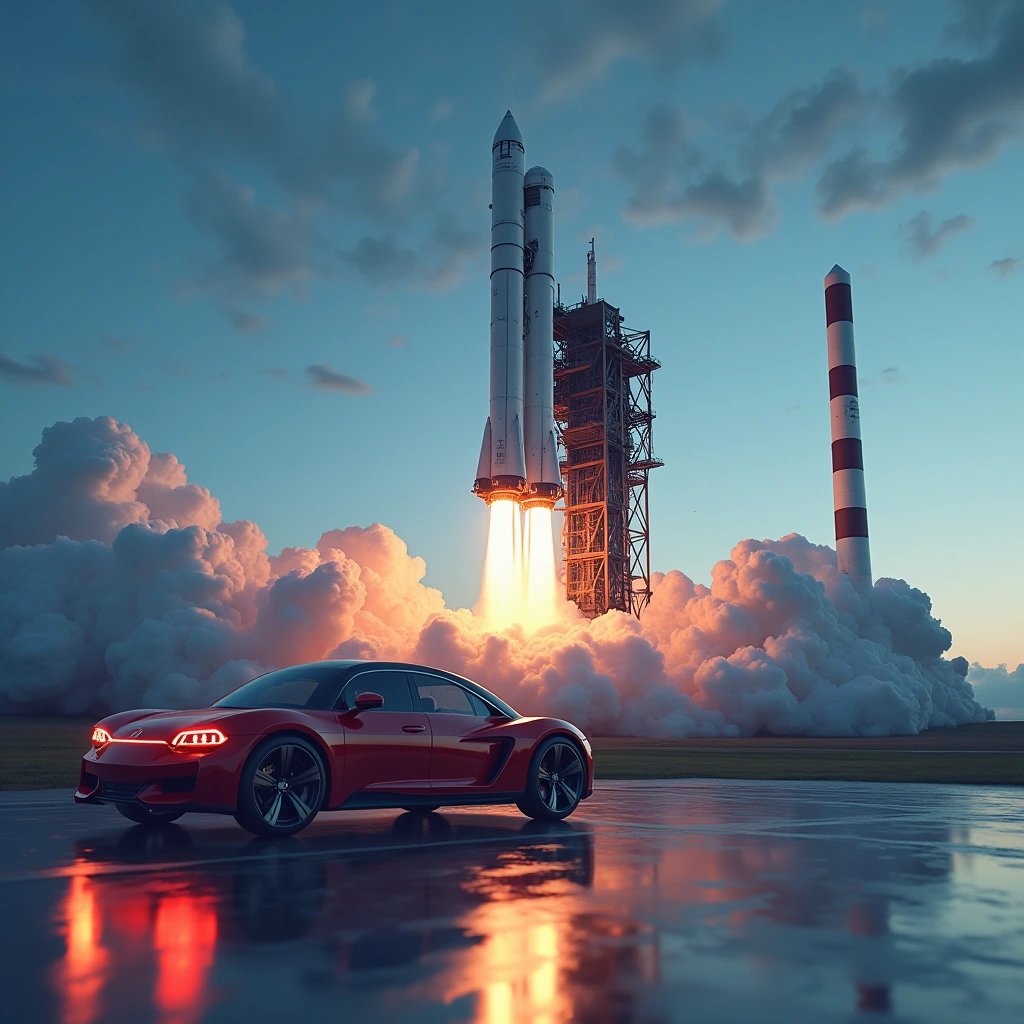
Hey there, space cadets and tech enthusiasts! Buckle up because we’re about to blast off into uncharted territory: humanless commercial runs! Yes, you heard it right! Bot Auto has officially taken the plunge, and let me tell you, it’s like watching your cat finally figure out how to use the litter box—both impressive and slightly terrifying.
Picture this: a sleek, shiny vehicle, gliding down the street like it’s auditioning for a role in Fast and Furious 18, but instead of Vin Diesel behind the wheel, we have a computer algorithm at the helm. That’s right—no humans needed! I can hear the collective gasp of Uber drivers everywhere. They’re probably thinking, “But what about my lunch breaks?”
Now, before you start fretting about the robots taking over your precious jobs, let’s unpack the brilliance behind this tech marvel. Bot Auto has cracked the code on automation, achieving what many deemed impossible: a fully humanless commercial run. It’s like they’ve discovered how to make a perfect cup of coffee without any barista drama—a world without the “extra foam” debates!
But let’s not get ahead of ourselves. This is still the early days of humanless operations. Sure, we’ve got the technology, but remember when we first got smartphones and spent hours trying to figure out how to turn them on? (I’m looking at you, mom!)
The implications of this breakthrough are staggering. Think of it—no more traffic jams caused by human error (or the occasional driver who just can’t resist a good selfie). Delivery services could skyrocket, and let’s be honest, we all want our avocado toast delivered with the precision of an Olympic archer. Who needs human drivers when you can have a fleet of robots zipping around like they’ve had too much espresso?
But hold your horses! Before we start throwing robot parties, we must consider the ethical dilemmas. What happens when a humanless vehicle faces a dilemma? You know what I’m talking about—the classic ‘trolley problem’ where you have to choose between saving a group of people or a single individual. Do we code empathy into these machines? Or do we just hope they have a good sense of humor? (I mean, who wouldn’t want a car that tells dad jokes while driving?)
In conclusion, while we’re all excited about the convenience of humanless commercial runs, let’s remember to keep our feet on the ground—at least until the robots figure out how to make pizza without burning it. So, what do you think? Are we ready for a future where our vehicles have more autonomy than our teenagers? Let me know in the comments below!