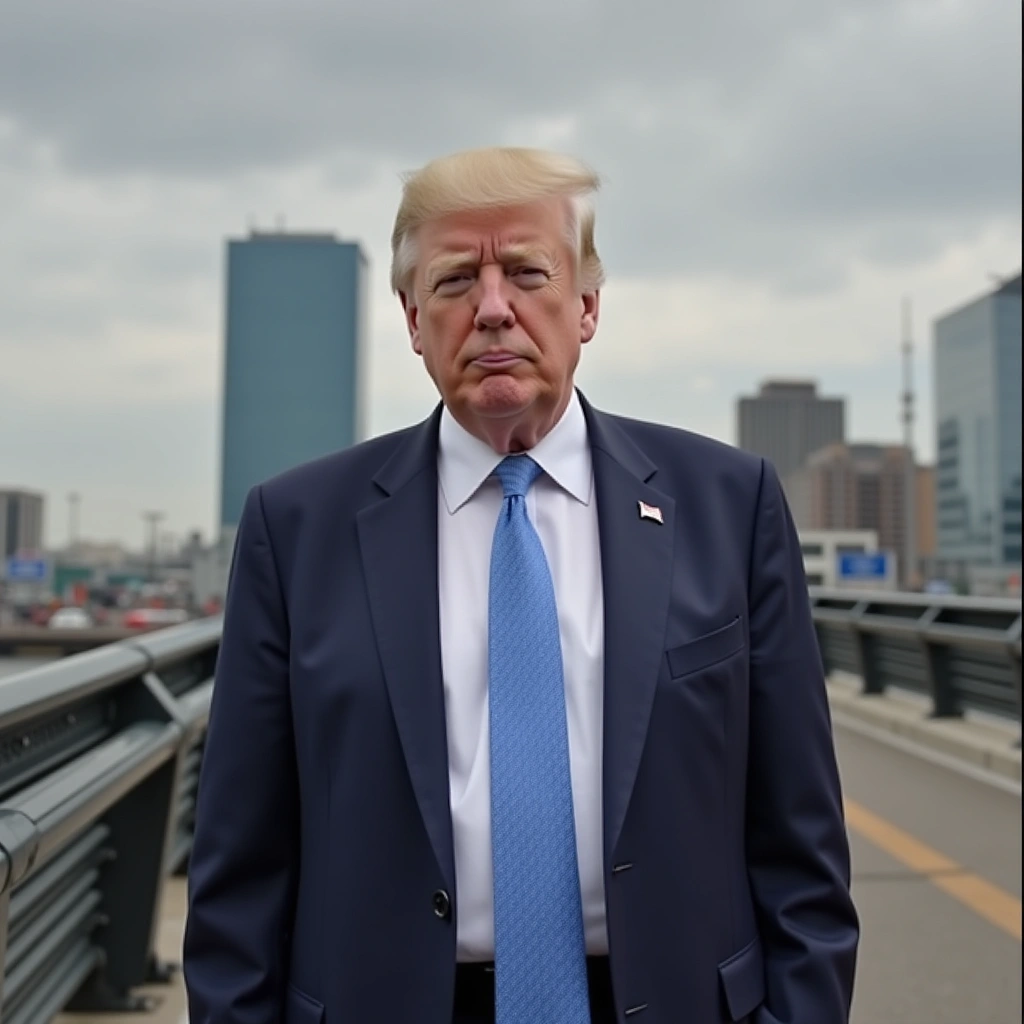
Sep 15, 2026 … Johnson wants to sit down with AI leaders as early as this week to gauge their view of potential restrictions and Congress’s role in installing …
So, House Speaker Mike Johnson recently sat down for a chat with CNBC, and let’s just say he’s got some thoughts on artificial intelligence (AI) that are, well, interesting. He expressed a preference for AI safety guidelines to be voluntary. Yes, you heard that right—voluntary. Because who doesn’t love a good old-fashioned suggestion instead of a rule?
Now, before we dive deep into this, let’s set the stage. Johnson’s comments came right before a meeting with AI bigwigs and none other than President Donald Trump. You know, just a casual get-together to discuss the future of technology that’s rapidly reshaping our lives. No big deal, right?
During this meeting, the focus will be on ensuring responsible development of AI. But here’s the kicker: Johnson seems to believe that AI executives are already on board with the idea of self-regulation. I mean, it’s nice to think that the tech giants will just sit in a circle, hold hands, and sing Kumbaya while making sure their creations don’t run amok. But let’s be real—these are the same folks who can barely keep their social media platforms from becoming the Wild West.
Johnson pointed out that AI leaders appear to recognize the need for public reassurance. Well, that’s comforting, isn’t it? It’s like saying, “Hey, we know we’ve built a roller coaster that goes 100 miles per hour, but trust us, it’s safe!” Sure, buddy, I’ll just hop on without any safety harnesses or a seatbelt because you said so.
But here’s the real question: can we really rely on the industry to regulate itself? It’s a bit like asking a kid with a giant bowl of candy to monitor their own sugar intake. Spoiler alert: it’s not going to happen. Sure, they might promise to only have one piece, but we all know that bowl is going to be empty before you can say “sugar rush.”
In a world where AI is increasingly integrated into everything from our smartphones to our homes, the stakes are incredibly high. We’re talking about technology that can influence elections, automate jobs, and even create deepfake videos that could fool just about anyone. So, can we trust that the people who profit from this tech will put safety first? That’s like trusting a cat to look after your pet goldfish.
While Johnson’s hope for voluntary guidelines suggests a more relaxed approach, it also reflects a significant inaction from Congress when it comes to regulating AI. As lawmakers squabble over various issues, the tech world is moving at lightning speed. Perhaps Johnson should consider that a little bit of regulation might actually help ensure that AI develops in a way that benefits everyone, rather than just lining the pockets of a few.
In conclusion, while it’s great to hope for a world where AI executives step up to the plate and self-regulate, we might want to keep a close eye on that bowl of candy. Because if history has taught us anything, it’s that sometimes, hope is not enough. Let’s just hope we don’t end up in a situation where we’re all saying, “I told you so”—and that’s a phrase no one wants to utter when it comes to technology that can think for itself.
So, here’s to the future of AI, may it be safe, responsible, and maybe—just maybe—regulated just a little bit. Cheers!
Inspired by: “House Speaker Johnson says he hopes AI guardrails are ‘voluntary’ amid Congress inaction” (r/Business)