Its integration into fuel production supports a circular carbon economy, helping to reduce reliance on fossil fuel and decarbonize hard-to-electrify sectors [40,131]. Two primary approaches are used to capture CO2 (Fig. 4): Carbon Capture, Utilization, and Storage (CCUS) and Direct Air Capture (DAC) [132,133]. CCUS is designed for industrial sources with CO2 concentrations between 10 % and 50 %, making it a cost-effective solution for emissions-intensive industries such as cement plants, refineries, and steel production [134]. In contrast, DAC captures CO2 directly from ambient air, where concentrations are significantly lower (∼400 ppm).
Hey there, climate warriors! Today, let’s dive into a brilliant idea that could revolutionize how we think about energy and transportation fuels. Spoiler alert: it involves a lot of nuclear power plants, wind turbines, solar panels, and a sprinkle of tidal energy. It sounds like a recipe for a clean energy smoothie, and who wouldn’t want that?
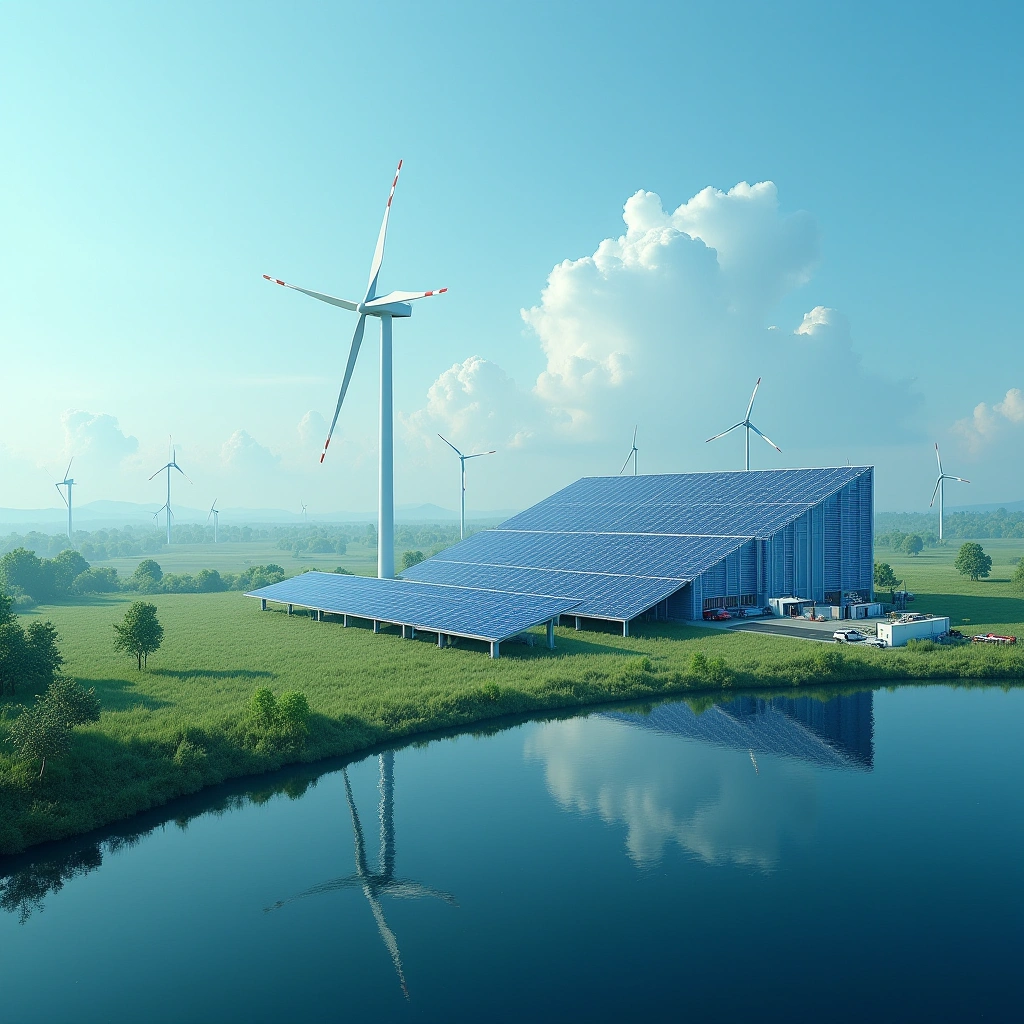
So, here’s the scoop: the idea is to build dozens (yes, dozens!) of nuclear power plants alongside wind, solar, and tidal energy sources. The goal? To harness the ‘extra’ power generated and channel it into e-fuel production plants. Now, before you roll your eyes and think, “Not another energy plan that sounds too good to be true!” let’s break this down.
What Are E-Fuels?
E-fuels, or electro-fuels, are synthetic fuels made using renewable energy. They can power everything from your car to a jet plane, and considering that batteries aren’t going to replace jet fuels anytime soon (sorry, battery enthusiasts), e-fuels could be a game changer! This could allow us to offset a significant chunk of the USA’s transportation fuels. We’re talking about making a dent in the market—up to 20% replacement seems feasible, which is a whole lot better than wishing on a shooting star.
The Benefits of This Plan
Let’s talk about the benefits, because who doesn’t love a good list?
1. Market for Captured Carbon: By capturing carbon, we can reduce the costs of carbon capture operations. It’s like recycling, but for the atmosphere! Plus, it opens up opportunities for expanded deployment.
2. Cleaner Burning Fuels: E-fuels burn cleaner than traditional fossil fuels, which means fewer health impacts. Less smog means more clean air, and who doesn’t want to breathe easier?
3. Reducing Petro-State Power: By decreasing our reliance on fossil fuels, we can reduce the power of petro-states in geopolitics. Imagine a world where oil tycoons don’t hold all the cards—sounds refreshing, right?
4. Less Fossil Fuel Burned: This one’s a no-brainer. The more we can reduce fossil fuel consumption, the better off our planet will be. It’s like a detox for Mother Earth.
5. Energy Independence: Countries can become independent of natural resources, which means they won’t have to beg for oil from other nations. Independence Day, anyone?
6. Decentralizing Fuel Networks: If we pair these e-fuel plants with refineries, we can decentralize fuel networks. This means less risk of supply chain disruptions and more localized energy solutions. It’s like taking back control from the big oil companies!
7. Efficiency: By utilizing excess grid capacity, we can keep plants running at their most efficient points. No more throttling back when the energy isn’t being used—let’s put that power to work!
The Bigger Picture
Now, I know what you’re thinking: “This sounds great and all, but can we really pull it off?” The truth is, it’s going to take a lot of investment, innovation, and perhaps a miracle or two. But the potential is there, and if we can harness it, we could pave the way for a cleaner, more sustainable future.
In conclusion, while the idea of building dozens of nuclear plants might sound daunting (and let’s be honest, a little scary), the potential benefits of this approach are hard to ignore. By investing in a mix of clean energy sources and focusing on e-fuels, we could not only reduce our carbon footprint but also change the way we think about energy independence and transportation fuels.
So, what do you think? Is it time to roll up our sleeves and start building? Or should we just keep scrolling through memes about climate change? Let’s chat in the comments!
Inspired by: “Air capture and e-fuels” (r/climatechange)