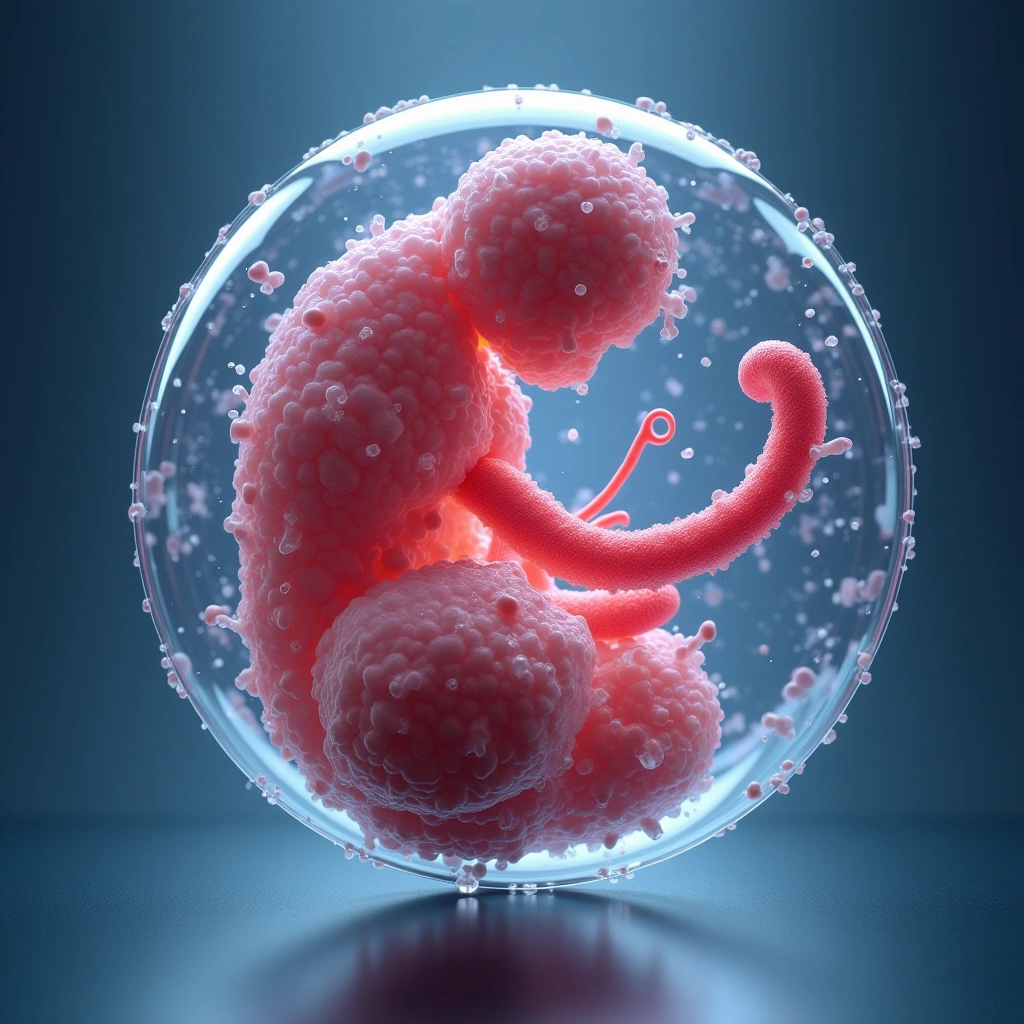
In a groundbreaking development that sounds like something straight out of a sci-fi movie, scientists have successfully created a human embryo model that can grow its own organs in the lab. Yes, you heard that right! Forget about your average garden variety plant; this is the future of bioengineering.
New embryo-disc models replicate human gastrulation, paving the way for lab-grown organs and regenerative medicine advancements.
So, what exactly does this mean? For starters, it’s a significant leap forward in our understanding of human development. Traditionally, studying human embryos has been a bit tricky due to ethical concerns and, well, the fact that they’re, you know, actual humans. But with this new model, researchers can observe the early stages of organ development without the ethical baggage that comes with using real embryos. Talk about a win-win!
Now, before you start picturing a lab filled with tiny, organ-growing humans (because that would be a horror movie waiting to happen), let’s clarify what this research entails. These embryo models are not full-fledged humans; they’re more like miniature versions that mimic the early stages of development. They provide a unique window into how organs form, which is crucial for advancing medical science.
Imagine the possibilities: researchers can now study how organs develop, what goes wrong in certain diseases, and even test new treatments in a controlled environment. It’s like having a backstage pass to the concert of human biology. Who wouldn’t want to see how the magic happens up close?
Of course, with great power comes great responsibility—or at least a slew of questions. Ethical considerations are at the forefront of this research. Scientists must navigate the murky waters of what it means to create life, even in a lab setting. Will these models ever cross the line into something more? Are we playing God? These are the questions that keep researchers up at night (along with all that caffeine).
But let’s not get too ahead of ourselves. The technology is still in its early stages, and while it shows immense promise, we’re not quite ready to start 3D-printing organs for transplants just yet. Think of it as a prototype. You wouldn’t want to drive a car that was still in the concept phase, would you?
In the meantime, the implications of this research are enormous. Imagine a future where organ transplants are no longer a race against time, where patients don’t have to wait years for a compatible donor. Instead, we could potentially grow organs tailored specifically for them. It’s like ordering a custom-made suit, but for your heart or kidneys. Talk about a tailored fit!
So, as we stand on the brink of this scientific revolution, let’s keep our eyes peeled. The world of regenerative medicine is about to get a whole lot more interesting, and who knows? One day, we might just find ourselves in a world where lab-grown organs are the norm. Until then, let’s appreciate the fact that we’re living in a time where science fiction is becoming reality—just without the flying cars and robot butlers. Yet.
Inspired by: “World first: Human embryo model grows its own organs – in the lab” (r/technology)