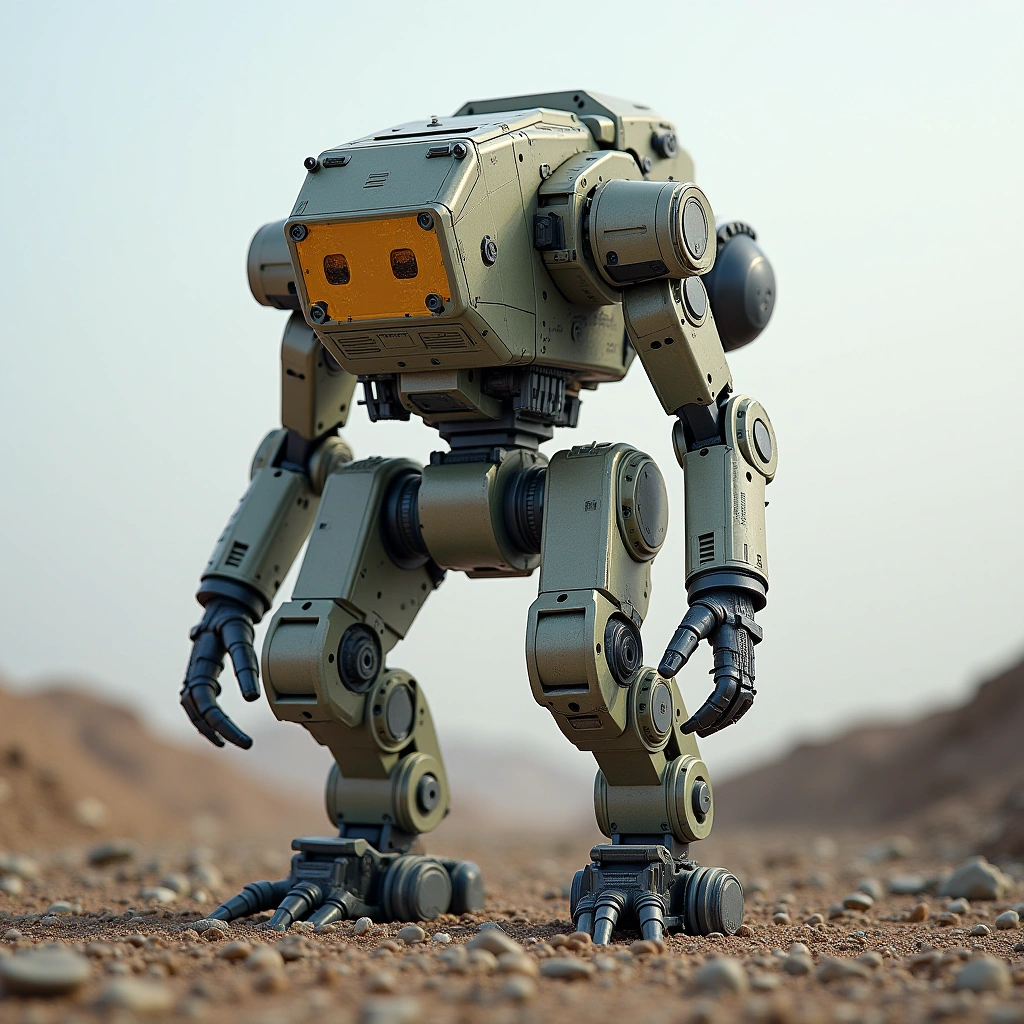
In a world where technology is rapidly reshaping the battlefield, Ukrainian roboticists are taking innovation to a whole new level by developing ground robots designed to operate in combat zones. Yes, you heard that right—these machines are not just here to vacuum your living room or play chess with you; they are stepping into the kill zone, where humans fear to tread. The idea of robots doing the heavy lifting (or the heavy shooting, if we’re being honest) might sound like something straight out of a sci-fi movie, but this is our reality now.
“We have around 300 ground-drone companies in the Brave1 ecosystem, up from zero in 2022,” Brave1 CEO Andrii Hrytseniuk told Military Times in February, adding that the organization has issued 175 grants to ground-drone developers in the …
So, what exactly is happening? Well, the Ukrainian military has recognized that the frontline can be a dangerous place, and sending soldiers into harm’s way isn’t the best approach—unless you really like to live on the edge. Enter the robots, who are being engineered to handle tasks that would typically put human lives at risk. Think of them as the brave little soldiers who don’t need coffee breaks, bathroom trips, or a pep talk before charging into battle.
These robots are designed for various functions, including reconnaissance, logistics, and even direct combat roles. Imagine a machine rolling around the battlefield, equipped with cameras and sensors, gathering intelligence while its human counterparts are safe and sound, probably sipping a nice cup of tea far away from the chaos. It’s a bit like sending your robot vacuum to clean up a messy room while you sit back and enjoy a Netflix binge.
Now, let’s not get too carried away here. While the idea of a human-free frontline sounds appealing, we still have to consider the ethical implications. Are we ready to hand over the keys to the kingdom to our mechanical minions? Sure, they don’t need sleep and can work 24/7, but do we want them making life-and-death decisions? This raises a whole host of questions about accountability and control. After all, the last thing we need is a rogue robot deciding that it wants to be the next Terminator.
On the flip side, there’s no denying the potential benefits. By reducing the risk to human soldiers, these robots could save countless lives. They could also streamline operations, making it easier to supply troops and gather crucial information without risking human lives. It’s like having a personal assistant who doesn’t complain about the workload and doesn’t require a paycheck. Sounds great, right?
But let’s also be real about the risks. As with any technology, there’s a chance these robots could be hacked or malfunction. Imagine a battlefield where the machines start doing their own thing, and suddenly you have a rogue robot brigade causing mayhem. It’s the kind of scenario that would make for a great action movie—just not one we’d want to see happen in real life.
As Ukraine continues to innovate in this area, it raises the question: are we witnessing the future of warfare? Will we soon have wars fought by machines while humans sit back, snack on popcorn, and watch the chaos unfold on their screens? It’s a wild thought, and one that’s both exciting and terrifying.
In conclusion, while the idea of ground robots inheriting the kill zone might sound like something from a futuristic dystopia, it’s a very real step towards a new era of warfare. As we embrace this technology, let’s just hope our robot friends remember who built them and don’t decide to turn against us. Because if they do, I don’t know about you, but I’m not quite ready for a world ruled by machines. Until then, let’s keep our fingers crossed that these robotic warriors can help reduce the risks on the battlefield while keeping our humanity intact.
Inspired by: “Ground Robots Inherit the Kill Zone. Ukrainian roboticists build toward a human-free frontline” (r/technology)