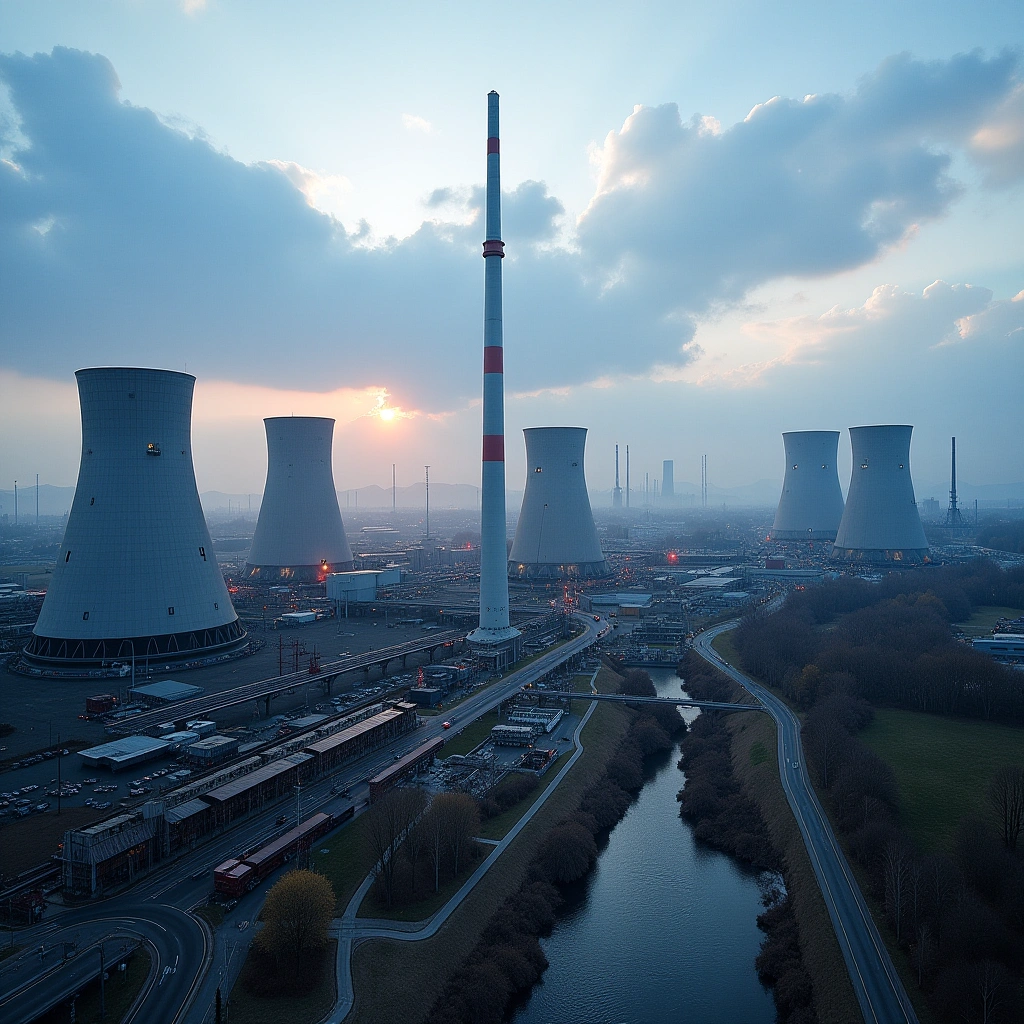
German government representatives welcomed the agreement by the Group of Seven (G7) major economies to end coal power generation by 2035 , and said EU emissions trading means that there is no reason to change the country's current legal end date …
When we think of Germany, we might picture schnitzels, efficient trains, and, of course, Oktoberfest. But lately, the country has been making headlines for something a bit less festive: its rapid phase-out of coal. Yes, you heard that right—Germany is shutting down coal plants faster than it legally needs to, and it’s not just because they’re tired of the smoky air. Let’s dive into this surprisingly positive development in the realm of climate change.
First off, let’s talk about the coal situation. For years, coal has been the energy source that just wouldn’t die. It clung on like that one friend who insists on bringing their karaoke machine to every party. But in Germany, the coal plants are getting old and are succumbing to the dual pressures of age and economics. Think of it as a retirement party for coal, and let’s just say, the cake is gluten-free because we’re all about that healthy living now.
The original plan was to phase out coal by 2038, but the country is ahead of schedule. Many coal plants are closing due to their age, which is a polite way of saying they’ve been around longer than most of our favorite childhood toys. These aging facilities are becoming less economically viable as renewable energy sources like wind and solar become more competitive. Who needs to burn coal when you can harness the power of the wind? It’s like choosing to eat a salad over a greasy burger—sure, the burger is delicious, but the salad won’t leave you feeling like you need a nap afterward.
This rapid phase-out is also a response to economic pressures. As Germany invests more in renewable energy, coal is becoming the unpopular kid in the energy playground. Investors are looking for cleaner, more sustainable options, and coal is starting to look like that friend who never pays you back. With the rising costs of emissions and the increasing availability of cleaner sources, it’s no wonder that coal is being left behind.
Now, let’s address the elephant in the room: climate change. The world is facing some serious environmental challenges, and Germany’s proactive approach to reducing coal usage is a step in the right direction. By shutting down coal plants early, Germany is not only reducing its carbon footprint but also setting an example for other countries. It’s like they’re saying, “Hey, look at us! We can do this without sacrificing our beer and pretzels!”
Of course, it’s not all sunshine and rainbows. The transition away from coal has its challenges, especially for workers in the coal industry. But Germany is aware of this and is working on plans to support these workers through retraining programs and investments in new industries. It’s a tough love approach—like a parent who makes you clean your room but also rewards you with ice cream afterward.
In conclusion, Germany’s coal phase-out is a remarkable example of how economic and environmental pressures can lead to positive change. It’s a reminder that sometimes, we can move forward faster than we think—even if it means saying goodbye to our old, dusty friends. So, the next time you hear about Germany, remember that they’re not just about beer and sausages; they’re also paving the way for a cleaner, greener future. Prost to that!
Inspired by: “Coal phase-out: In Germany, coal plants are shutting down faster than legally required, due to age…” (r/climatechange)