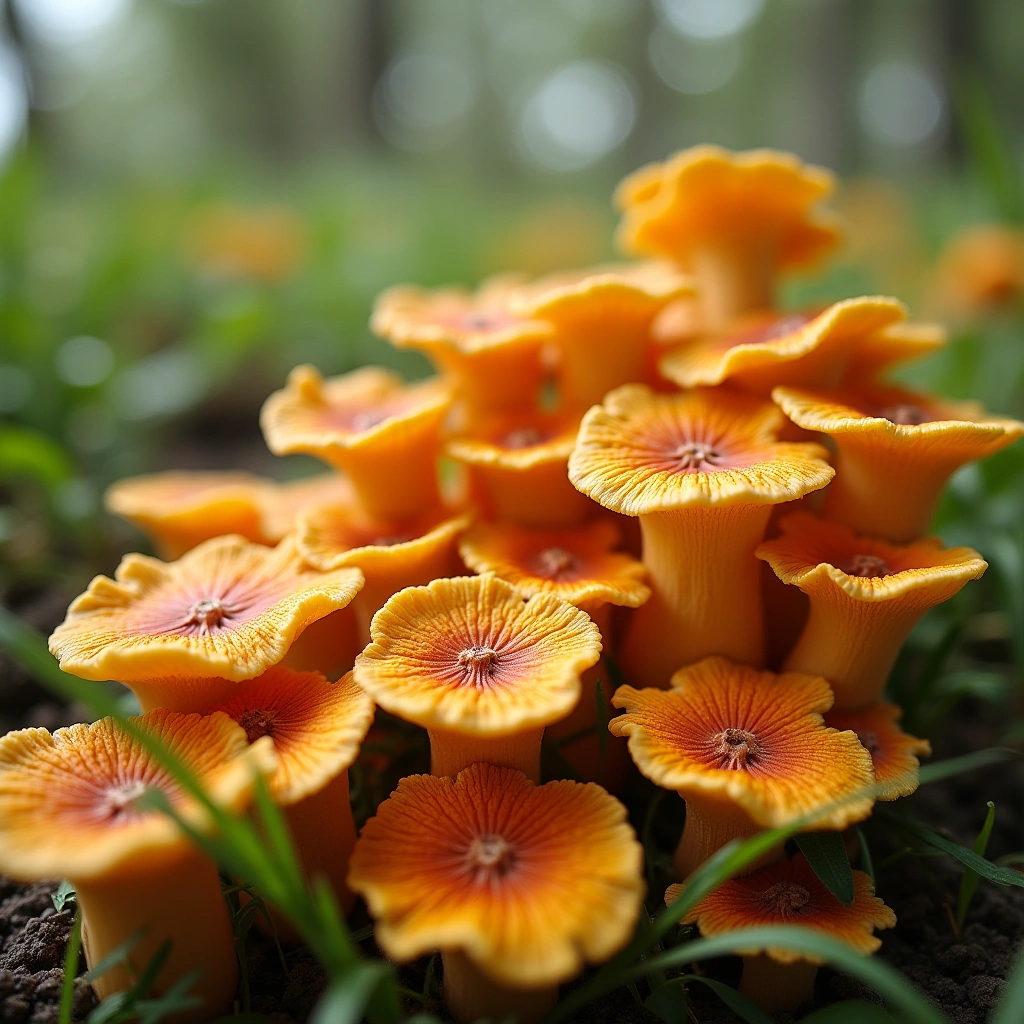
Hey there, fellow food enthusiasts! Gather ’round because we need to talk about something that’s sprouting up in the farming world—no, not just your average vegetable garden, but the mystical realm of fungus-powered farming. You heard that right! A recent study has unveiled that our squishy, decomposing friends (yes, fungi!) are not just for pizza and psychedelic adventures, but they might just be the farming revolution we didn’t know we needed.
Now, before you start envisioning farmers in straw hats hugging mushrooms, let’s break down this whole fungi phenomenon. According to the study, when farmers incorporate fungi into their crop-growing practices, it leads to higher yields and, believe it or not, crops that actually taste better. Imagine biting into a tomato that tastes like it was kissed by the sun and seasoned with a sprinkle of fairy dust. Sounds like something out of a fairy tale, right? Well, it’s time to wake up and smell the truffles!
So, how does this work? Fungi have this magical ability to form symbiotic relationships with plants. They extend their roots and help plants absorb nutrients and water more effectively. Think of it as a plant’s personal trainer, pushing it to reach its full potential. And in return, the plants provide the fungi with sugars. It’s a win-win, like a buddy cop movie where both characters actually like each other!
But let’s get a bit controversial here. While some traditionalists might scoff at the idea of using fungi in farming—because, you know, they prefer sticking to their age-old methods—this study suggests that innovation is the way forward. Who wants bland crops when you could be harvesting flavor-packed produce? If fungi can make our food taste like it came straight from a gourmet restaurant, why not give it a shot? After all, we live in a world where people pay extra for “artisan” toast. Why not pay a little extra for a mushroom-enhanced peach?
Now, before you start planning a fungi-themed dinner party (complete with mushroom hats), there are practical concerns to consider. Not all fungi are created equal; some can be quite… to put it mildly, toxic. So, unless you want to turn your local farm into a scene from a horror movie, it’s essential to know what you’re working with. Let’s leave the poisonous mushrooms for the wild foragers!
In conclusion, if you’re a fan of fresh produce that not only looks good but also tastes divine, then fungi-powered farming might just be your new favorite topic of conversation. As we continue to explore sustainable farming practices, let’s keep our minds open to the weird and wonderful world of fungi. Who knows? The next great culinary breakthrough could be lurking under a pile of compost, just waiting to be discovered!
So, the next time you bite into a juicy, flavorful piece of fruit or veggie, remember to thank the tiny, hardworking fungi that might have had a hand in its fabulousness. And if you see a farmer with a basket of mushrooms, maybe give them a high-five for being on the cutting edge of agricultural innovation!