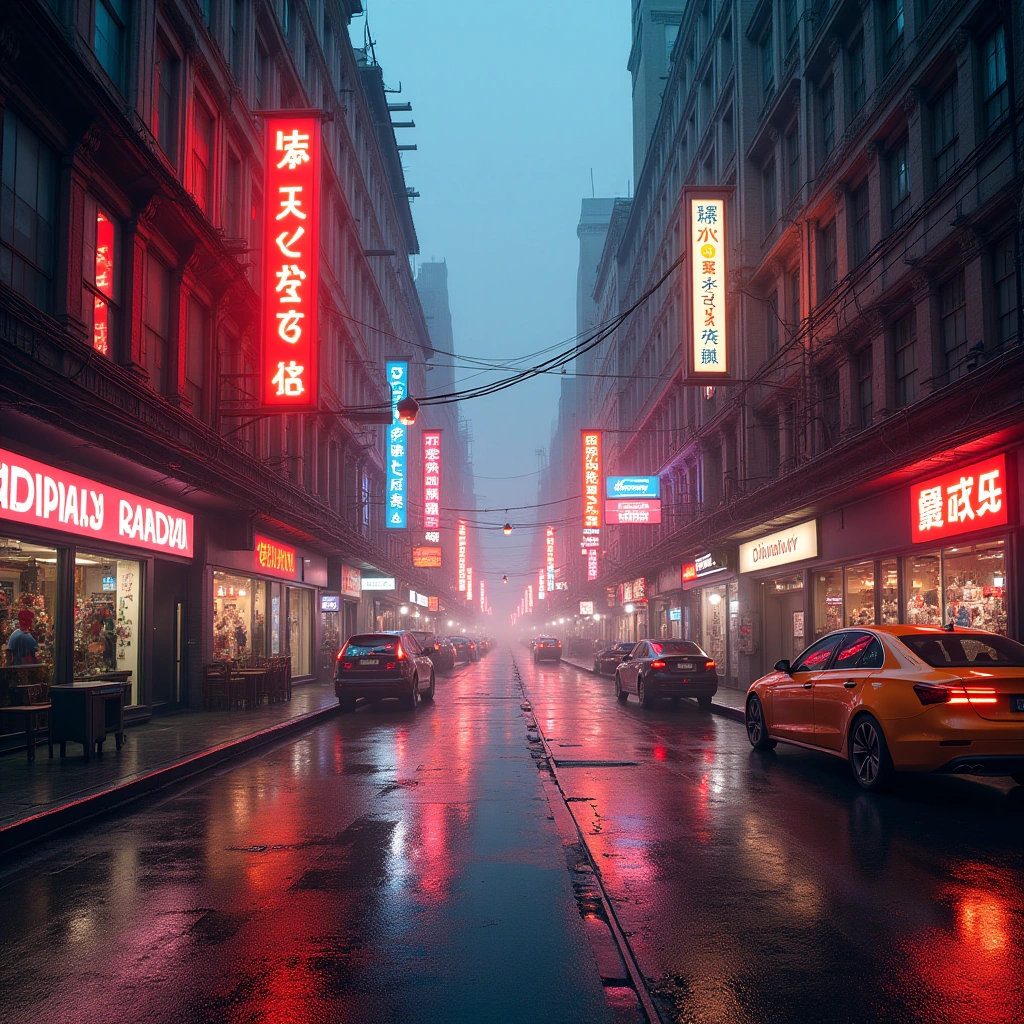
Ah, the world of urban transformation. One minute you’re walking down a street filled with neon lights and questionable decisions, and the next, you’re surrounded by tech geniuses crafting the next big thing in artificial intelligence. Welcome to the story of a former red-light district that has now become one of the world’s leading AI hubs. Yes, you read that right. From shady dealings to brilliant coding, it’s a tale that almost feels scripted.
This has transformed King’s Cross into one of the world’s top AI hubs, rivaled only by San Francisco and Beijing.
Let’s set the scene. Picture a neighborhood that was once synonymous with nightlife, a place where the air was thick with the scent of both excitement and regret. Patrons would flock to this area for a night out, only to wake up the next day wondering where their dignity went. Fast forward to today, and instead of the hustle and bustle of nightlife, you’ve got bustling tech startups, innovation labs, and maybe even a few espresso bars for those caffeine-fueled coding marathons. Talk about a glow-up!
So, how did this transformation happen? Well, it all started with a vision. City planners (and possibly a few well-placed tech investors) saw potential where others saw a past filled with dubious activities. The old red-light district was ripe for redevelopment, and with the rise of the tech industry, it became the perfect canvas for a new kind of urban landscape.
Local governments jumped on the bandwagon, offering incentives for tech companies to set up shop in the area. They rolled out the red carpet—or should I say, the newly paved sidewalks?—to attract talent and investment. And let’s be honest, who wouldn’t want to work in a place that was once the hotbed of nightlife? It’s like saying you work in a historical landmark, but with fewer regrets.
As tech companies began to emerge, the focus shifted from nightlife to innovation. Startups specializing in machine learning, robotics, and data analytics popped up like mushrooms after a rainstorm. The area became a melting pot of ideas, where engineers, developers, and entrepreneurs mingled (probably over overpriced lattes) to brainstorm the next big thing in AI.
But let’s not forget the cultural impact this transformation has had. The local community, which once thrived on the nightlife scene, has had to adapt to a new reality. Gone are the days of late-night escapades; now it’s all about hackathons and networking events. Instead of bar crawls, you’ve got coding sprints. And while some may mourn the loss of the old ways, others are celebrating the influx of jobs and economic opportunities that come with being an AI hub.
Of course, it hasn’t all been smooth sailing. Gentrification has reared its head, and with it, the inevitable complaints from those who feel priced out of the neighborhood. The once-affordable apartments are now being transformed into chic lofts that tech workers can barely afford. It’s a classic case of “you can’t have your cake and eat it too,” except in this scenario, the cake is a fancy avocado toast, and the neighborhood is becoming a tech utopia.
In the end, the story of this former red-light district serves as a reminder of how cities can evolve and adapt. It’s a tale of reinvention, where the past isn’t forgotten but instead serves as a foundation for something new and exciting. So, the next time you hear about a neighborhood making a dramatic transformation, just remember: it might not just be about the lights going out, but about the bright ideas that are just around the corner. And who knows? Maybe the next big AI breakthrough will come from a place that once thrived on red lights and questionable decisions. Now that’s what I call a plot twist!
Inspired by: “This former notorious red-light district is now one of the world’s top AI hubs” (r/technology)