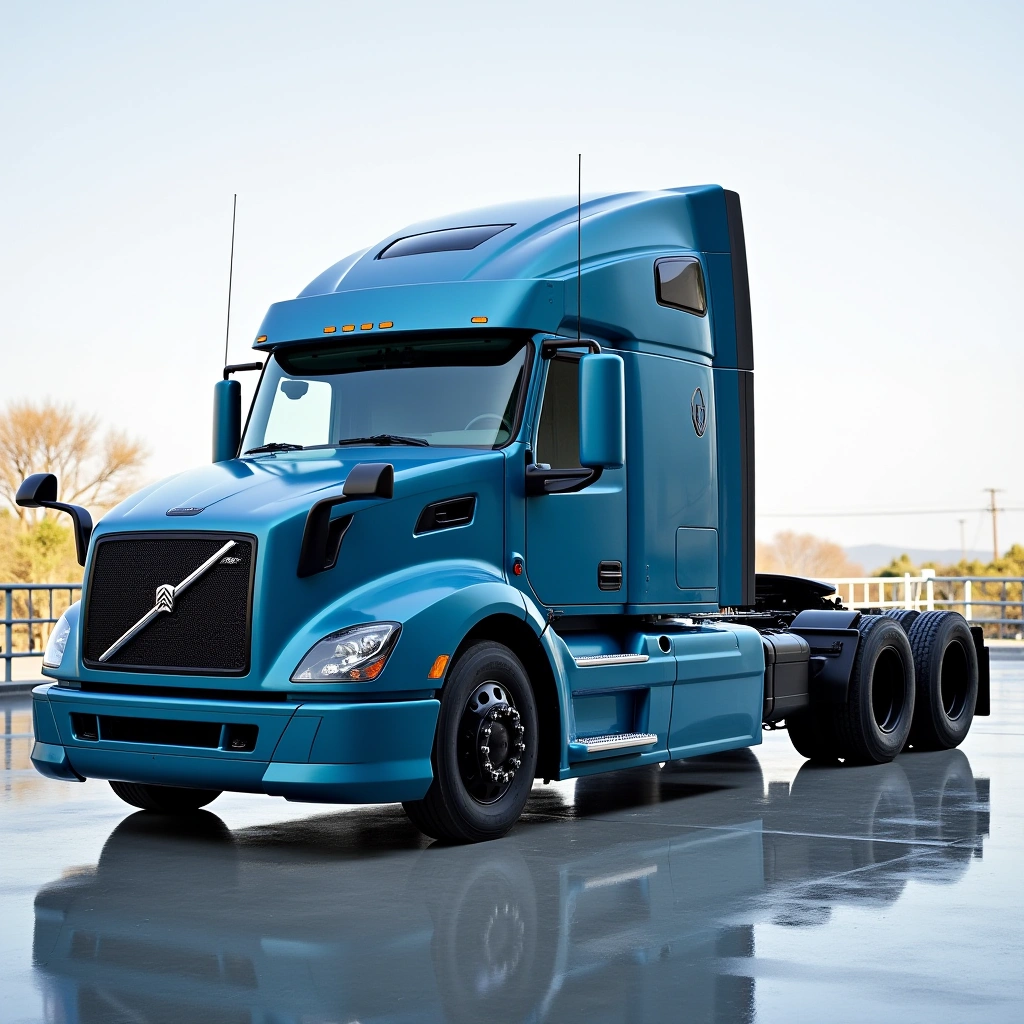
The IEA reports that average battery prices fell another 8% in 2025, while battery demand from electric trucks more than doubled . Lithium iron phosphate batteries have lowered costs, improved durability and reduced dependence on nickel and cobalt.
Ah, electric trucks. Once considered a far-off fantasy, like flying cars or a world where pineapple belongs on pizza (sorry, not sorry), these beauties have come a long way. If you’ve been keeping up with the latest in climate tech—or even if you haven’t—you might have noticed that electric trucks have gone from the ‘impossible’ category straight into the ‘inevitable’ zone. Let’s dive into why this shift is happening and why you should care.
First off, let’s talk about the elephant in the room—or should I say, the elephant-sized truck? The transportation sector is one of the largest contributors to greenhouse gas emissions. It’s like the annoying friend who always shows up uninvited and eats all your snacks. So, it makes sense that transitioning to electric trucks could be a game-changer in reducing our carbon footprint. And no, we’re not just talking about little delivery vans; we’re talking about the heavy-duty, big boys that move our goods across the country.
Now, you might be thinking, “Sure, electric trucks are cool and all, but aren’t they just glorified golf carts?” Well, let me assure you, these trucks pack a punch. Companies like Tesla, Rivian, and others are proving that electric trucks can do everything their gas-guzzling counterparts can do, and often do it better. With impressive torque, lower operating costs, and fewer moving parts (which means fewer trips to the mechanic), electric trucks are like the overachievers of the vehicle world.
But wait, there’s more! The advancements in battery technology are making electric trucks even more appealing. Remember when you had to plug in your phone every few hours? Those days are long gone, and the same is true for electric truck batteries. With innovations like fast-charging stations and longer-lasting batteries, range anxiety is becoming a thing of the past. It’s like upgrading from a flip phone to the latest smartphone—suddenly, you’re living your best life.
And let’s not forget about the economic aspect. As the cost of electric vehicle technology continues to plummet, it’s becoming more affordable for companies to make the switch. It’s kind of like when you finally decide to invest in a decent pair of shoes instead of buying the $5 flip-flops every summer. Sure, it costs a bit more upfront, but you’ll save in the long run—and your feet will thank you.
Of course, there are still hurdles to overcome. Infrastructure needs to catch up, and we can’t ignore the fact that some folks are still clinging to their gas-guzzlers like they’re family heirlooms. But as more companies and consumers recognize the benefits of electric trucks, it’s becoming clear that this isn’t just a passing fad. It’s the future.
So, what does this mean for you? Well, if you’re in the market for a new truck or work in logistics, you might want to start paying attention. And even if you’re not, the rise of electric trucks is indicative of a larger shift towards sustainability and innovation in our world. It’s a reminder that while we may be facing some pretty daunting challenges when it comes to climate change, we’re also making strides toward solutions that can lead us to a greener future.
In conclusion, electric trucks have indeed moved from impossible to inevitable. They’re not just a dream anymore; they’re becoming a reality that, if we play our cards right, could help pave the way for a cleaner, more sustainable planet. And who knows? Maybe one day we’ll even get that flying car. But for now, I’ll settle for an electric truck that doesn’t belch out smoke like a dragon on a bad day.
Inspired by: “Electric Trucks Have Moved From Impossible to Inevitable” (r/climatechange)