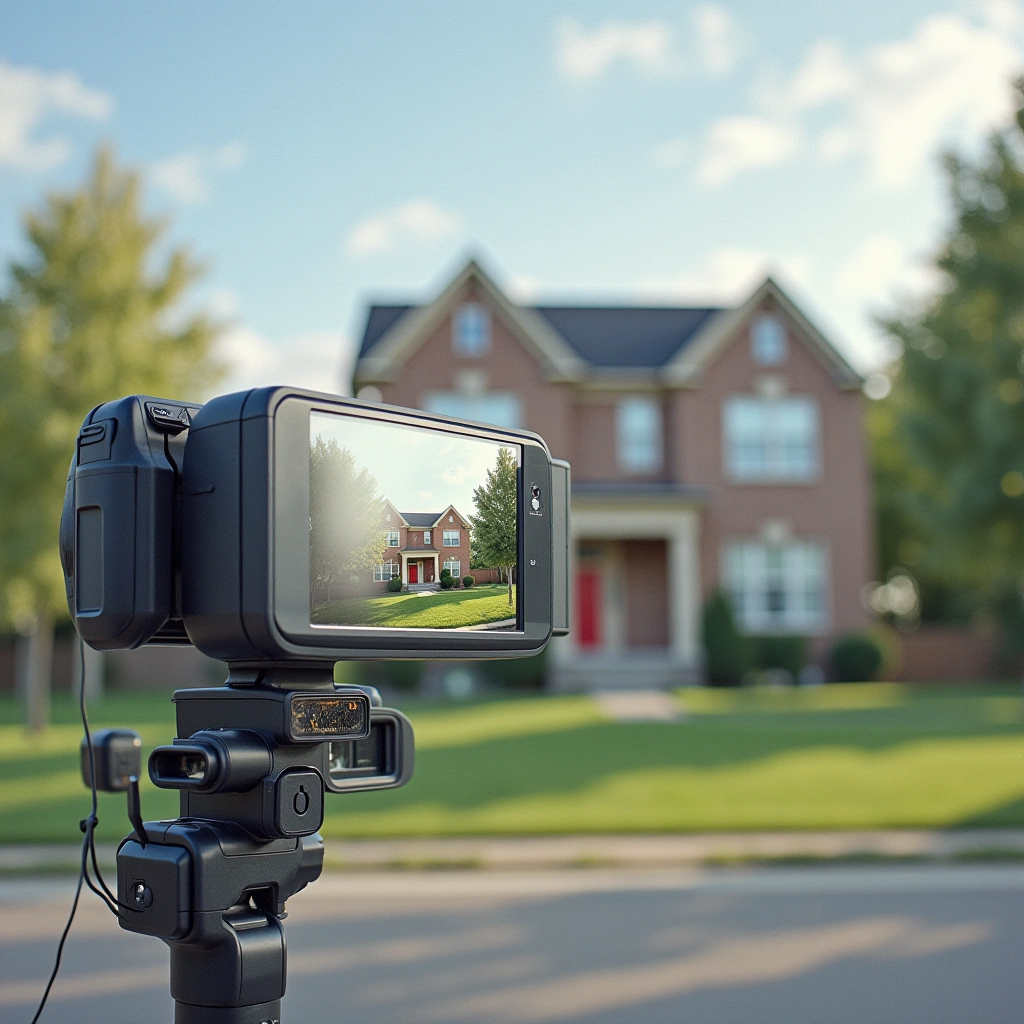
If you’ve ever felt like you were living in a sci-fi movie, you’re not alone. Enter Flock cameras. These high-tech surveillance gadgets are popping up all over the place, and while they might sound like something out of a dystopian novel, they are very much a reality. From neighborhoods to shopping centers, these cameras are keeping an eye on things—like that one nosy neighbor, but with way more pixels.
We cannot provide a description for this page right now
So, what exactly are Flock cameras? Picture this: a camera that not only records but also analyzes license plates, tracks vehicles, and even recognizes faces. They’re like the overachievers of the surveillance world. On the surface, it sounds great—after all, who wouldn’t want a little extra security? But here’s where the plot twist comes in: many Americans are raising their hands and saying, ‘Uh, no thanks!’
The pushback against Flock cameras is growing faster than a kid’s sugar rush on Halloween. People are concerned about privacy, data security, and the idea of living in a world where we’re always being watched. I mean, do we really need a camera keeping tabs on whether or not we’re taking our trash cans in on time? Spoiler alert: we don’t.
Critics argue that these cameras can lead to a slippery slope of surveillance, where our every move is monitored and recorded. It’s not just about what these cameras can see; it’s about who’s watching and what they’re doing with that information. If you’ve ever had a bad experience with a tech support line, you can imagine how comforting it is to know that your data might be in the hands of someone who can barely figure out how to turn on their own computer.
Local governments and businesses have embraced these cameras, citing the need for safety and crime reduction. Sure, they can deter crime, but at what cost? We’re trading off our privacy for a sense of security that may or may not even exist. It’s like agreeing to have a security guard at your house, only to find out he’s also a gossip who can’t keep his mouth shut about your business to the entire neighborhood.
And let’s not overlook the fact that not everyone is thrilled about the idea of a camera lurking about like a teenager trying to sneak into a party. Community meetings have turned into battlegrounds where folks are passionately debating the merits and downsides of these devices. You’ve got the tech enthusiasts on one side, waving their hands in excitement about innovation, while the privacy advocates are on the other, clutching their coffee cups like they’re shields against the encroaching surveillance state.
In response to the growing concerns, some cities are taking a stand against Flock cameras. They’re implementing regulations and policies aimed at protecting residents’ privacy. It’s a bit like trying to put a lid on a boiling pot of water—good luck with that! But hey, at least they’re trying.
In conclusion, the rise of Flock cameras is a classic case of ‘with great power comes great responsibility.’ While they can offer benefits in terms of safety and crime reduction, the risks to our privacy cannot be ignored. As we navigate this new landscape of surveillance, let’s hope we can strike a balance between feeling safe and not feeling like we’re living in a reality show. Because honestly, I prefer my life to be a little less scripted and a lot more spontaneous—like forgetting to take out the trash until the last minute.
Inspired by: “Flock cameras are taking over, but many Americans are pushing back” (r/technology)