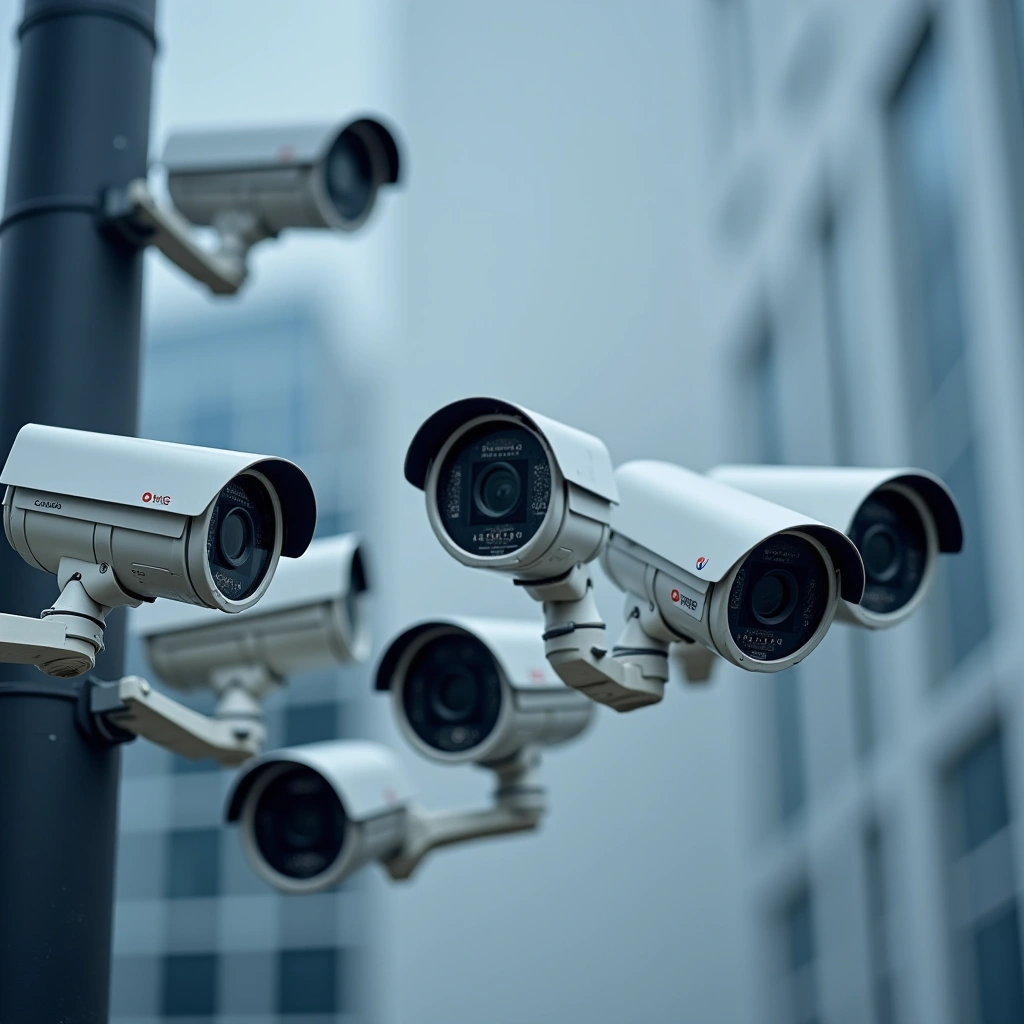
So, let’s talk about Flock cameras. If you haven’t heard of them, these little gadgets are like the nosy neighbors of the tech world—always watching, always recording, and apparently, always stirring up controversy. You might think they’re just another piece of tech trying to keep our streets safe, but oh boy, are they ruffling some feathers!
From private residences to office buildings, stores of all kinds and even some public streets, the ever-present glare of surveillance cameras has become so routine that there isn’t all that much pushback against them. That is until the arrival of cameras from Flock Safety used by local police along public roads triggered a backlash over privacy and civil liberty concerns, in part because law enforcement such as federal immigration agents have been able to access and share information from the cameras without first getting a warrant.
First off, what exactly are Flock cameras? In simple terms, they’re license plate readers that can track vehicles in real-time. They’ve been popping up in neighborhoods and public spaces like dandelions in spring. And while the intention behind them is to help law enforcement catch criminals and recover stolen vehicles, they also raise some eyebrows—and not just from folks who are paranoid about Big Brother watching.
Now, you might be wondering why anyone would want to sabotage these cameras. I mean, who doesn’t want to live in a safe neighborhood, right? Well, it turns out that not everyone is on board with the idea of constant surveillance. Some people see these cameras as an invasion of privacy. It’s like having a camera in your bathroom—sure, it might help catch the occasional thief, but is it really worth the risk of being caught doing your business?
The debate over Flock cameras is as heated as a jalapeño pepper in a chili cook-off. On one side, you have the supporters who argue that they help reduce crime rates and make communities safer. They’re like the cheerleaders of the surveillance world, waving their pom-poms and shouting about how Flock cameras can lead to quicker police response times and help in investigations.
On the flip side, you have the opponents, who are not shy about voicing their concerns. They argue that these cameras can lead to wrongful accusations, profiling, and a general sense of unease among residents. It’s like living in a reality show where everyone is a contestant and the prize is your privacy. And honestly, who wants that?
Now, let’s get to the good stuff: the sabotage. Yes, you heard that right. Some individuals have taken it upon themselves to ensure these cameras don’t see the light of day—or at least not without a little interference. From spray-painting the lenses to physically removing the cameras, these modern-day vigilantes are doing what they can to fight back against what they see as an overreach of surveillance.
But before you grab a can of spray paint and start plotting your own anti-Flock camera campaign, let’s consider the implications. Sure, it might feel good to take a stand for privacy, but there’s also the risk of getting caught and facing legal repercussions. And let’s be honest, the last thing you want is to be known as the person who got arrested for taking down a camera. You’d become the neighborhood legend, but not in the way you’d want.
So, what’s the solution? It seems like a balancing act between safety and privacy. Communities need to have open discussions about the presence of these cameras and their implications. Maybe there needs to be more transparency about how the data is used and who has access to it. After all, if we’re going to live in a world where cameras are watching our every move, we should at least know what they’re doing with all that footage, right?
In conclusion, Flock cameras are here to stay, whether we like it or not. They bring with them a host of benefits and concerns that need to be addressed. And while some might resort to sabotage out of frustration, it’s essential to engage in dialogue and find a middle ground. Because let’s face it, we all want to feel safe in our neighborhoods—just not at the expense of our privacy. So, next time you see a Flock camera, maybe give it a friendly wave instead of a spray can. Who knows? It might just wave back… if it had feelings.
Inspired by: “Flock cameras are so controversial people are sabotaging them. Why?” (r/technology)