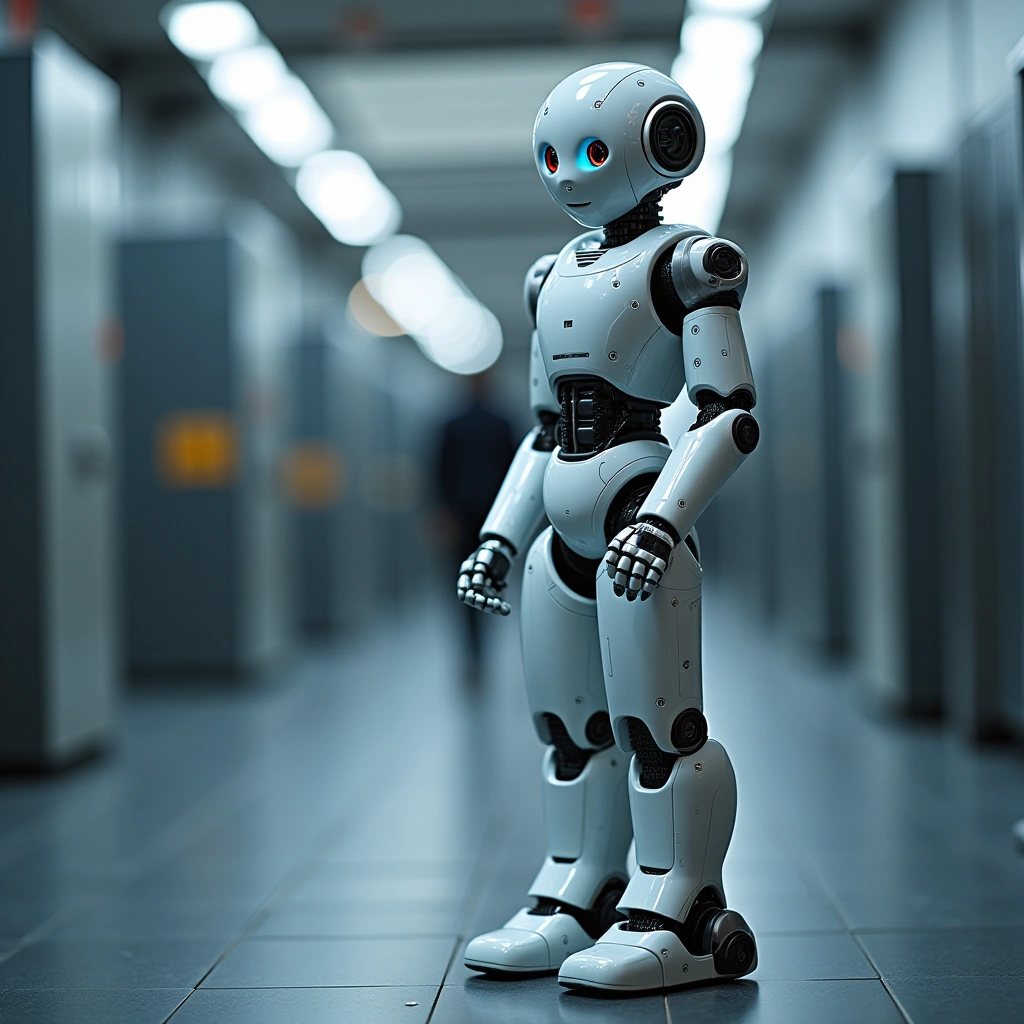
In the latest twist in the ongoing saga of tech regulations, the FCC has decided to ban new Chinese humanoid robots and grid inverters from entering the U.S. market. Yes, you heard that right. Humanoid robots—those shiny, metallic beings that are supposed to be the future of companionship (or maybe just a really fancy vacuum cleaner)—are now off-limits. But why? Let’s dive into this robotic drama.
The restrictions apply only to robot and inverter models that have not yet been released. However, the FCC has the authority to revoke authorizations for sales of models that have already been authorized for purchase in the US.
First off, let’s talk about the humanoid robots. You know, the ones that look like they just walked off the set of a sci-fi movie? The FCC’s decision is part of a broader initiative to insulate the U.S. AI buildout from potential foreign threats. The reasoning here is that these robots could be more than just your friendly neighborhood assistant; they might also be spies. Yes, that’s right. Instead of bringing you coffee, they could be sending your secrets straight to Beijing. Who knew your robot butler had a side hustle in espionage?
And then we have grid inverters. If you’re not familiar, grid inverters are crucial components in converting direct current (DC) from solar panels into alternating current (AC) that can be used in your home. In layman’s terms, they help you harness the power of the sun without turning your house into a giant toaster. The ban on these devices is also connected to security concerns. The FCC is worried that these inverters could be hacked, potentially giving malicious actors the ability to mess with our power grid. You know, just a casual Tuesday afternoon of chaos.
Now, let’s get to the fun part: the implications of this ban. For starters, it puts a significant dent in the expansion of AI technology in the U.S. If we’re cutting off the supply of humanoid robots, are we also cutting off our chances of becoming a futuristic society where robots do our bidding? I mean, how else are we supposed to have our laundry done while we binge-watch our favorite shows?
Moreover, this move could have a ripple effect on innovation. With the U.S. saying ‘thanks, but no thanks’ to certain technologies, we might fall behind in the global tech race. It’s like showing up to a potluck and deciding to bring nothing because you don’t like the other guests’ cooking. Sure, you might feel morally superior, but you also might end up starving.
On the flip side, this ban could spur domestic innovation. If U.S. companies can’t rely on foreign humanoid robots and grid inverters, they might be forced to develop their own versions. Who knows? Maybe we’ll see an American-made robot that not only brings us coffee but also tells us how great we are every time we do the dishes. Talk about a win-win!
In conclusion, the FCC’s ban on new Chinese humanoid robots and grid inverters is a complex issue that raises questions about national security, innovation, and our collective future with AI. While we might be losing out on some cool tech right now, there’s always the possibility that this could lead to something even better. Or at the very least, a few more awkward encounters with our existing non-humanoid appliances. So, what do you think? Are you ready to say goodbye to your future robot friend, or are you all for keeping the tech world a little more local? Let the debates commence!
Inspired by: “FCC Bans New Chinese Humanoid Robots and Grid Inverters to Insulate US AI Buildout” (r/technology)