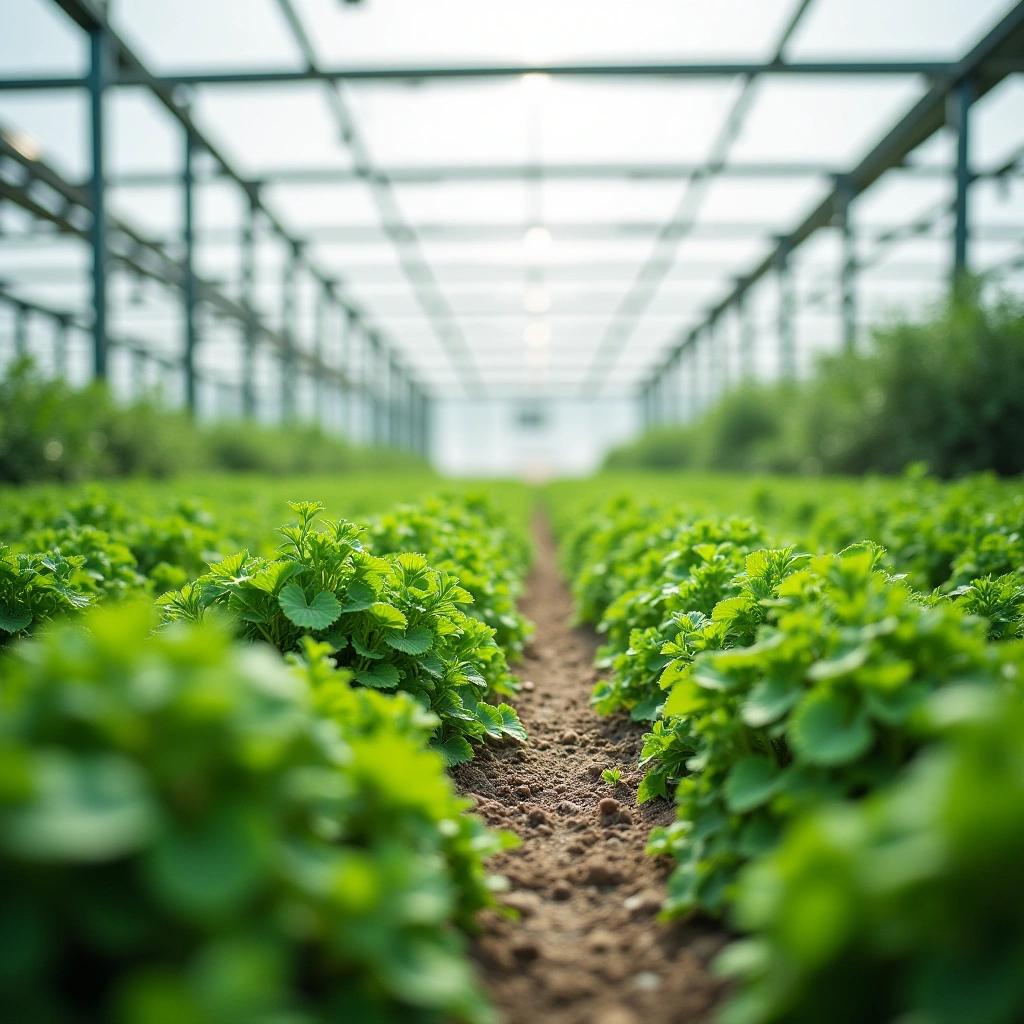
The best crops for vertical farming are typically leafy greens, herbs, and microgreens, but many others can work as well. Some vertical farms grow fruits, flowers, grains such as rice, and other vegetable varieties.
As the climate shifts faster than a toddler in a candy store, the question of how to grow our food sustainably becomes more pressing. We’re no longer just debating whether to plant our tomatoes in the backyard or buy them from the grocery store. Instead, we’re diving into the deep end of agricultural innovation: fields, greenhouses, and vertical farms. So, which method is best for our changing climate? Let’s dig in—pun fully intended.
Fields: The Old Faithful
Ah, the classic field. Nothing says ‘farmer’ quite like a sprawling expanse of crops swaying in the breeze. Fields have been the backbone of agriculture for centuries, and for good reason. They’re relatively inexpensive to set up and can support large-scale production. However, in a world where unpredictable weather patterns have become the norm, relying solely on traditional fields might be like bringing a spoon to a knife fight.
Fields can suffer from droughts, floods, and pest invasions—oh my! Climate change has turned our once predictable seasons into a game of roulette. While fields can store carbon and support biodiversity, they’re also vulnerable to the whims of Mother Nature. So, while fields might still hold a special place in our hearts (and stomachs), they might not be the panacea we need for the climate crisis.
Greenhouses: The Controlled Environments
Enter the greenhouse, our modern-day solution to the unpredictability of outdoor farming. Greenhouses allow farmers to control temperature, humidity, and light—basically creating a little slice of paradise for plants. Think of it as a spa day for your vegetables. They can be grown year-round, which is a significant advantage when the weather outside is frightful.
But let’s not pop the champagne just yet. Greenhouses can be energy-intensive, especially if you’re heating them during winter or cooling them in the summer. Plus, they often require a significant initial investment. If you’re planning to grow tomatoes in a high-tech glass palace, you might want to check your wallet first. The good news is that greenhouses can be integrated with renewable energy sources, making them a more sustainable option in the long run.
Vertical Farms: The Future of Food?
Now, let’s take a trip to the future (cue sci-fi music)—vertical farms! These high-tech wonders are popping up in urban areas, allowing us to grow food in stacked layers. That’s right; we’re talking about farming in buildings, which sounds like something out of a futuristic movie.
Vertical farms use hydroponics or aeroponics, which means plants can grow in nutrient-rich water or mist instead of soil. This method uses significantly less water than traditional farming and can produce crops year-round. Plus, they can be located closer to consumers, reducing transportation emissions. Talk about a win-win!
However, before you start dreaming of a vertical farm in your living room, let’s address the elephant in the room: the costs. Setting up a vertical farm can be more expensive than traditional farming, and the technology is still evolving. It’s like being an early adopter of the latest smartphone—great in theory, but your bank account might be crying.
So, What’s the Verdict?
In the battle of fields, greenhouses, and vertical farms, there’s no one-size-fits-all answer. Each method has its pros and cons, and the best choice often depends on local conditions, available resources, and the specific crops being grown.
Fields might be great for large-scale production, but they’re susceptible to climate chaos. Greenhouses offer control but can be energy-hungry. Vertical farms are innovative and efficient but come with a hefty price tag.
Ultimately, a combination of these methods might be the best way forward. By integrating traditional fields with modern technology like greenhouses and vertical farming, we can create a diverse and resilient food system capable of weathering the storm—literally and figuratively.
As we navigate this complex landscape, one thing is for sure: we all need to eat, and how we grow our food will play a crucial role in the fight against climate change. So, let’s roll up our sleeves and get to work—our plates depend on it!
Inspired by: “Fields, greenhouses or vertical farms: what is the best way to grow food in a changing climate?” (r/climatechange)