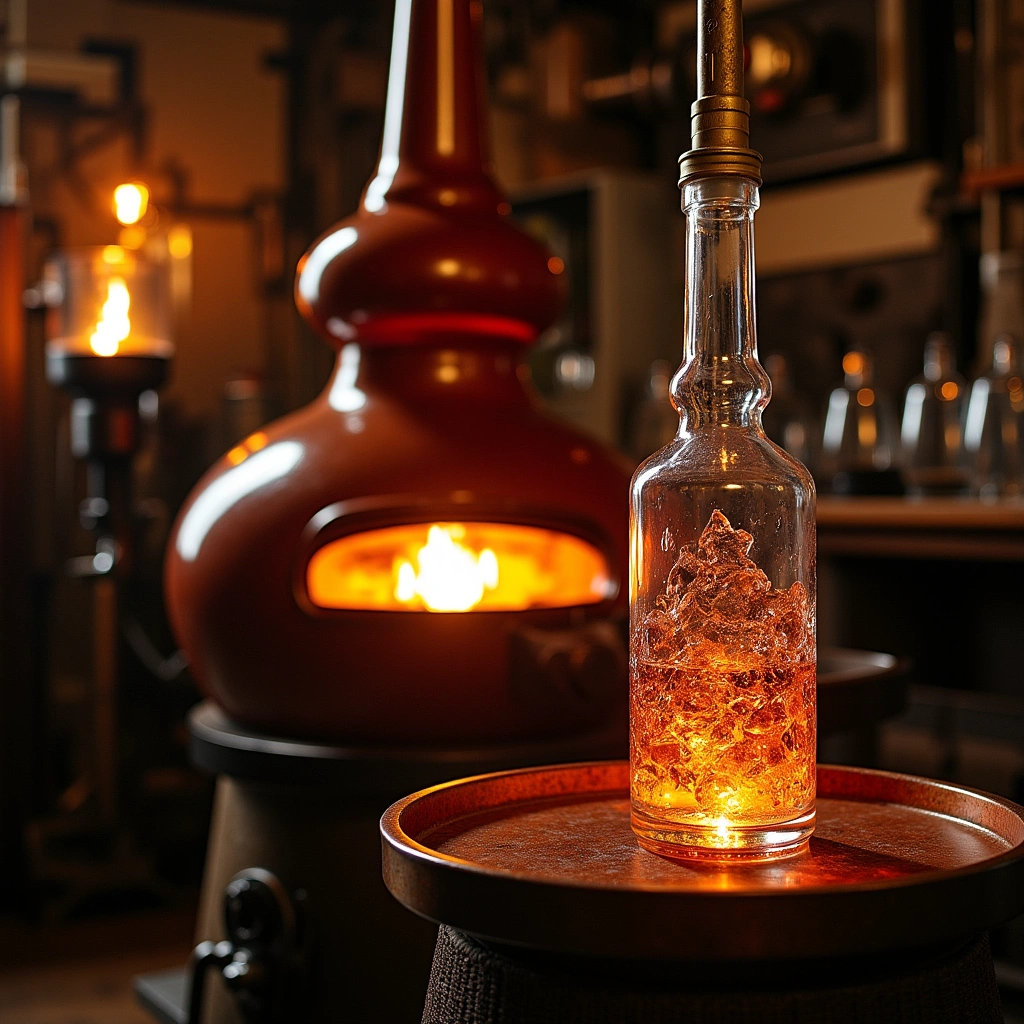
Ah, the old wood burning liquor still – a relic of the past that whispers tales of bootleggers, moonshine, and the occasional mishap with a flaming mash. If you’ve ever seen one of these beauties, you know they resemble a mad scientist’s dream come true, complete with bubbling pots and a slightly concerning aura of ‘I probably shouldn’t be doing this’. So, let’s dive into the world of these enchanting contraptions!
A Brief History Lesson, With a Side of Shenanigans
First things first, let’s talk history. Distillation dates back thousands of years, but the wood burning stills really gained popularity during the Prohibition era. Picture it: the Roaring Twenties, jazz music in the air, and folks trying to enjoy a drink without getting caught. It’s like a high-stakes game of hide and seek, but with alcohol!
Now, these stills weren’t just for the rebellious spirits of the era; they were also a necessity in rural areas where liquor was harder to come by than toilet paper in a pandemic. The wood burning still became a staple, converting everything from corn to sugar into liquid courage, sometimes with a healthy dose of risk.
The Anatomy of a Wood Burning Still
Have you ever seen a wood burning liquor still in action? If not, let me paint you a picture. Imagine a big pot, usually made of copper (because who wants their booze to taste like rusty nails?), sitting over a roaring fire. The heat from the fire causes the mash to boil, creating steam that rises into a condenser, where it cools and turns back into liquid. Voilà! You’ve got yourself some homemade liquor – or, as I like to call it, ‘liquid fun’.
But be warned! Distilling alcohol at home can be as risky as trying to teach a cat to fetch. One wrong move and you could end up with a fiery explosion or, worse, a batch of questionable hooch that would make even the bravest souls think twice.
Why Go Old School?
In a world where you can buy pre-packaged drinks that taste like candy and come with a cute little umbrella, why would anyone want to mess around with an old wood burning still? Well, let’s take a look at a few reasons:
1. Authenticity: There’s something undeniably charming about the process. You’re not just pouring a drink; you’re creating something with your own two hands. It’s like cooking, but with more potential for regret.
2. Flavor: The wood adds a unique flavor profile that you just can’t get from those mass-produced bottles. It’s like a fine wine, but instead, you’ve got a delightful infusion of smoky goodness.
3. Nostalgia: For some, it’s a trip down memory lane. Whether you learned the craft from an older family member or just love the idea of resurrecting tradition, there’s a sense of pride in bringing old techniques back to life.
The Controversy: Is It Legal?
Now, let’s get to the elephant in the room – the legality of distilling your own liquor. Depending on where you live, it can range from a fun DIY project to a quick trip to jail. Laws can be as confusing as trying to assemble IKEA furniture without the instructions. In the U.S., for example, you can legally make a certain amount of wine or beer, but spirits? That’s a big no-no without a license. So, if you’re tempted to fire up that still, maybe check your local laws first. Your future self will thank you.
In Conclusion: Cheers to Tradition!
Whether you’re a seasoned distiller or just someone who appreciates the art of making your own liquor, old wood burning stills hold a special place in the hearts of many. They are not just tools for creating alcohol; they are symbols of tradition, rebellion, and the quest for the perfect sip. So, if you ever find yourself in possession of one of these beauties, treat it with care – and maybe keep the fire extinguisher nearby, just in case!
Here’s to the thrill of discovery and maybe a little bit of mischief. Happy distilling – just remember, safety first, cocktails second!