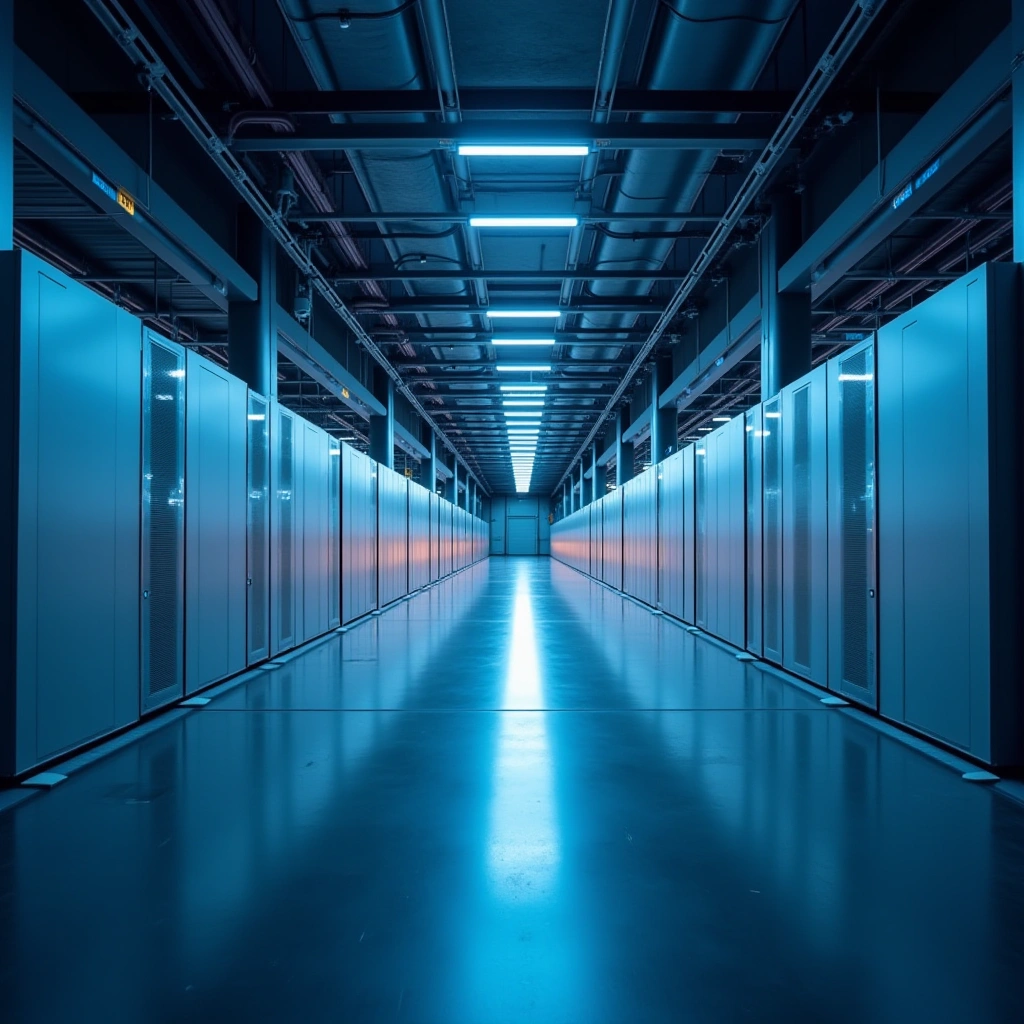
So, here we are. Honda, the car manufacturer known for its reliable vehicles and a certain penchant for making us feel bad about our own driving habits, is diving headfirst into the world of data centers. Yes, you heard that right. While we were busy debating whether to upgrade our old Civic or just keep it until the wheels fall off, Honda is busy reimagining its future in a digital landscape. Let’s unpack this, shall we?
Honda’s pivot to data center energy storage marks a strategic shift after canceling U.S. EV programs and writing down $15.7 billion in fiscal 2025 due to soft demand and weakened China operations. The automaker is leveraging its joint venture with LG Energy Solution to target the booming stationary storage market, which grew 32% year-over-year and offers higher margins than vehicle sales. This move aligns with Honda’s broader Digital Transformation (DX) vision, which utilizes big data and generative AI to optimize manufacturing and accelerate its electrification business model.
First things first, why would a car company like Honda be interested in data centers? Well, it turns out that the automotive industry is not just about making cars anymore. With the rise of electric vehicles, autonomous driving technology, and, let’s be honest, our insatiable need for connectivity, automakers are realizing that they need to get with the program. And that program involves a lot of data.
Imagine this: your car not only drives you to work but also knows when you’re running low on gas, suggests the best route to avoid traffic, and even reminds you to pick up milk on the way home. All of this requires a staggering amount of data processing and storage. Enter data centers, the unsung heroes of the digital age. These facilities house servers and storage systems that process the enormous amounts of data generated by connected devices, including our beloved cars.
Now, let’s talk about what Honda’s pivot to data centers means for us, the consumers. For one, it could lead to smarter vehicles. We’re talking about cars that learn your driving habits, adapt to your preferences, and maybe even play your favorite Spotify playlist when you get in. (Yes, please. Who doesn’t want their car to be as obsessed with their music taste as their friends are?)
Moreover, this shift could also mean enhanced safety features. With all that data being processed, cars could communicate with each other to prevent accidents. Imagine a world where your car warns you about that rogue driver swerving into your lane or even takes over to avoid a collision. Sounds like something out of a sci-fi movie, right? But it’s closer to reality than you might think.
Of course, with great data power comes great responsibility—or at least, it should. The more data our cars collect, the more crucial it becomes to protect that data from breaches. We’ve all seen those horror stories where hackers take control of vehicles, and it’s not exactly the thrilling adventure we signed up for. So, Honda (and other automakers) will need to ensure robust cybersecurity measures are in place. Let’s keep the hackers away from our steering wheels, shall we?
Now, if you’re wondering how Honda plans to manage this data center business alongside their manufacturing, that’s a great question. It’s like trying to juggle while riding a unicycle—impressive if you can pull it off, but let’s be real, it’s probably going to be a bumpy ride. Honda is not alone in this endeavor; many automakers are venturing into tech territory, realizing that the future of driving is as much about software as it is about hardware.
In conclusion, Honda’s pivot to data centers is a fascinating development in the automotive industry. It’s a sign of the times, and while it may seem a bit strange to think of our cars as data-gathering machines, it’s a necessary evolution. As we embrace this change, let’s just hope our cars don’t develop a sense of humor. Because let’s face it, a car that makes sarcastic remarks about our driving skills is not something we need in our lives.
So, buckle up, folks! The future of driving is on the horizon, and it’s going to be a wild ride—data centers and all.
Inspired by: “Even Honda is pivoting to data centers” (r/technology)