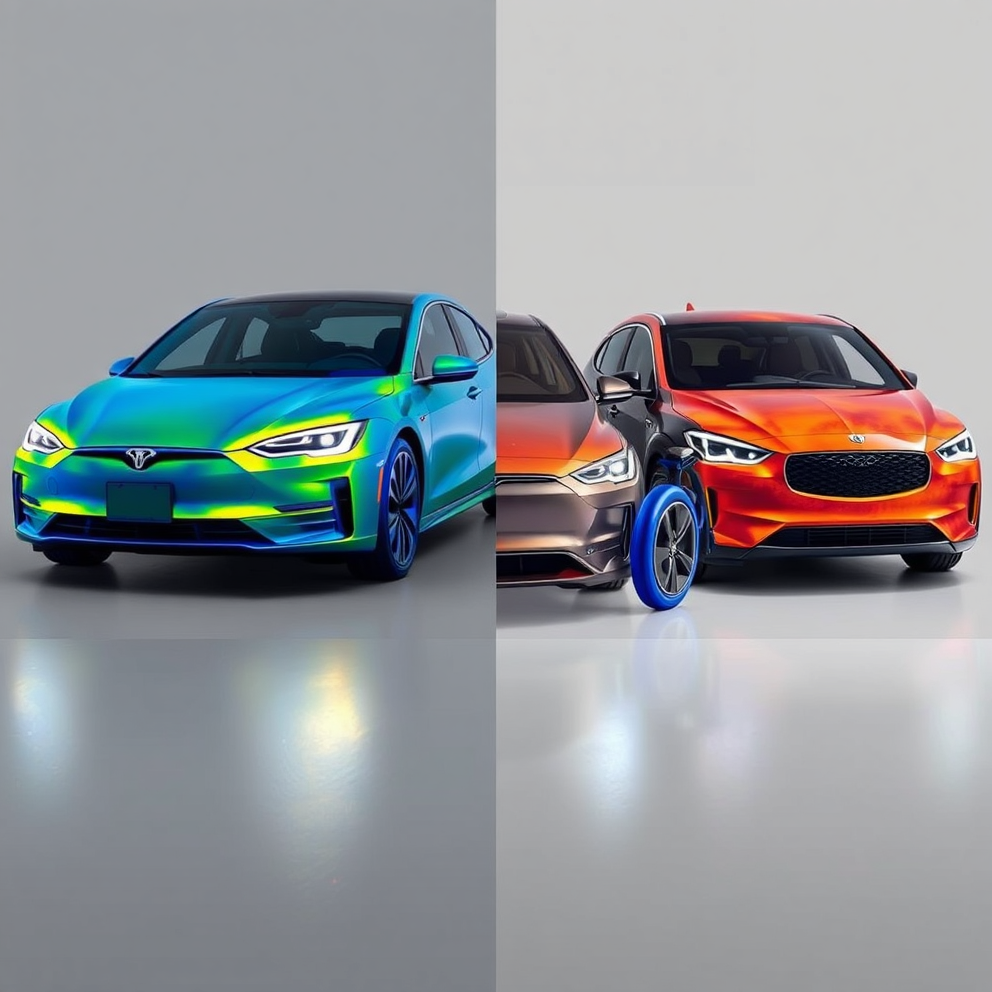
So, you’ve probably heard a lot of buzz about electric cars lately. Are they the shiny knights in eco-friendly armor, or just a bunch of glorified golf carts? And how do they stack up against their gas-guzzling cousins when the heat is on—literally? Buckle up, because we’re diving deep into the world of thermal imaging to see how these two automotive titans compare under the heat lamp of science. Spoiler alert: it’s hotter than a jalapeño in a sauna!
First off, let’s talk about thermal imaging. It’s not just a fancy tool used by ghost hunters or those weirdos who like to hunt Bigfoot. Thermal imaging cameras detect infrared radiation, which means they can show how much heat something is emitting. Think of it as the X-ray vision of the automotive world—minus the spandex suit and cape.
Now, when we look at electric cars under thermal imaging, we often see them glowing like a cozy fireplace. Why? Because they generally have fewer moving parts compared to gasoline cars. The engine, transmission, and all those other mechanical doodads that make gasoline cars tick? Well, they’re basically a heat-generating factory. Electric vehicles (EVs), on the other hand, operate with a simplified powertrain that produces less waste heat. This means they can be the chillest cars on the block—literally!
On the flip side, gasoline cars are like that friend who always shows up to the party but leaves sweaty and exhausted. They have combustion engines that, while powerful, are heat-generating beasts. When you look at them through a thermal camera, they often appear as bright red hot spots, looking like they just finished a marathon. The exhaust systems, radiators, and engines are all working hard, which means they’re giving off a whole lot of heat. If you’ve ever felt the hood of a car after a long drive, you know what I’m talking about.
But wait! Before you start throwing out your gas-powered chariots, let’s talk about some of the hidden downsides of EVs when it comes to thermal performance. Sure, they may run cooler, but that’s not always a good thing. Batteries can overheat, which leads to a phenomenon known as thermal runaway. Sounds like something out of a sci-fi movie, right? It’s when batteries get so hot they start to break down, potentially causing fires. So, in a way, the quieter electric vehicle can be a ticking time bomb if not managed properly. Talk about a plot twist!
In terms of efficiency, electric cars are usually the winner, but let’s not ignore the fact that the electricity they run on often comes from fossil fuels anyway. So, while the car might be cool, the power plant might be heating things up like a summer BBQ. It’s like saying you’re on a diet while sneaking in a late-night pizza—just because you can’t see it doesn’t mean it’s not happening!
So where does this leave us? Well, if you’re looking for a car that doesn’t heat up your wallet (or the planet), electric vehicles are definitely a solid choice. But if you love that throaty roar of a combustion engine and the smell of gasoline, who are we to judge? It’s like choosing between chocolate and vanilla—both delicious, just different flavors of fun.
In conclusion, thermal imaging reveals that while electric cars may be the cool kids on the block, gasoline cars bring their own fiery charm to the table. It’s all about what makes your heart race (and your engine rev) at the end of the day. So whether you’re team electric or team gasoline, make sure you’re driving something that excites you—just don’t forget the sunscreen because, boy, it can get hot under those hoods!