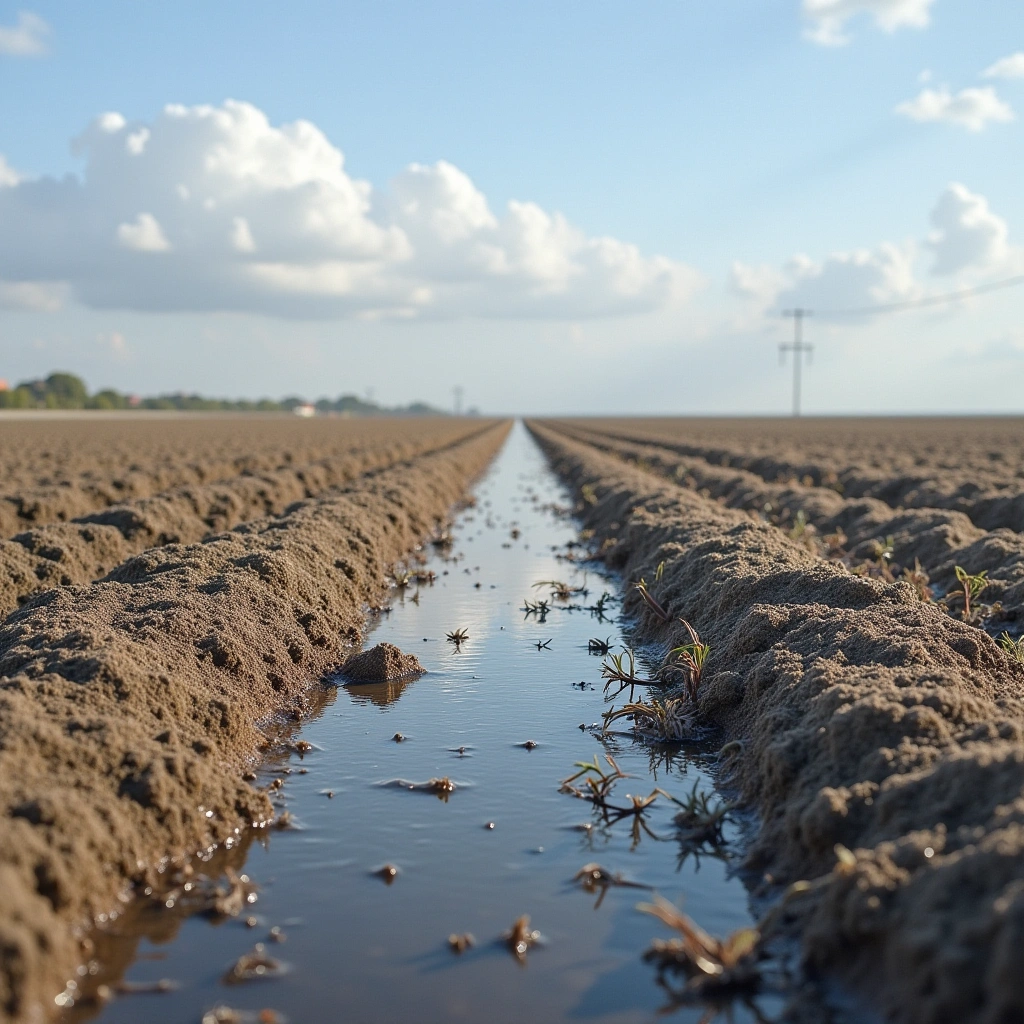
Ah, the Netherlands. Known for its picturesque windmills, vibrant tulip fields, and… drought? Yes, you read that correctly. While the Dutch have mastered the art of managing water in many ways, it seems that Mother Nature has decided to throw a curveball this year, leaving power companies and consumers alike feeling a little hot under the collar. Let’s dive into how this unexpected drought is driving up energy bills across the country.
The average energy bill in the Netherlands ranges from approximately €99-178/month depending on household size (based on April 2026 market average of €0.268/kWh electricity and €1.455/m³ gas). Single-person apartments typically pay around €99/month, couples €140/month, and a family of four around €178/month. These figures are estimates and vary significantly depending on your chosen provider, contract type, and household consumption.
First off, let’s talk about what’s happening. Typically, power plants rely on a steady supply of cooling water to keep their operations running smoothly. Think of it as the coolant in your car; without it, things can get a little dicey. When drought conditions hit, the water levels in rivers and lakes drop, making it difficult for these plants to access the cooling water they need. It’s like trying to fill a bathtub with a garden hose that’s only dripping—frustrating, to say the least.
Now, you might be wondering, “But how does this affect my wallet?” Well, my friend, when power companies face challenges in cooling their operations, they often resort to more expensive alternatives to maintain their energy output. This can include using power sources that are less efficient or more costly. Spoiler alert: those costs usually get passed down to consumers. So, if you’ve noticed that your energy bill is starting to resemble the GDP of a small nation, you can thank the drought.
Let’s not forget that the Netherlands has a unique energy landscape. With a strong push towards renewable energy, the country has been making strides in wind and solar power. However, these sources are not always reliable, especially when the winds are calm or the sun is hiding behind a cloud. When traditional power plants can’t operate at full capacity due to lack of cooling water, the reliance on these renewables can become all the more critical. And if the weather isn’t cooperating? Well, let’s just say it can be a recipe for disaster.
In the grand scheme of things, the drought is just one piece of a much larger puzzle. Climate change is affecting weather patterns worldwide, and the Netherlands is not immune. As temperatures rise and precipitation patterns shift, the likelihood of droughts could increase in frequency and severity. This means that consumers might have to brace themselves for even higher energy bills in the future. Who knew that staying cool could cost so much?
So, what can you do about it? For starters, you can try to conserve energy at home. Simple actions like turning off lights when you leave a room, unplugging devices that aren’t in use, or even investing in energy-efficient appliances can help. Not only will you feel better about your contribution to saving the planet, but your bank account might just thank you, too.
In conclusion, while we can’t control the weather (trust me, I’ve tried), we can control our energy consumption habits. The next time you see your energy bill, you might want to pour a little extra love into your energy-saving efforts. After all, every little bit helps—especially when the drought is making sure that your power bills are anything but dry.
Inspired by: “Drought drives up Dutch energy bills as power companies get less access to cooling water” (r/technology)