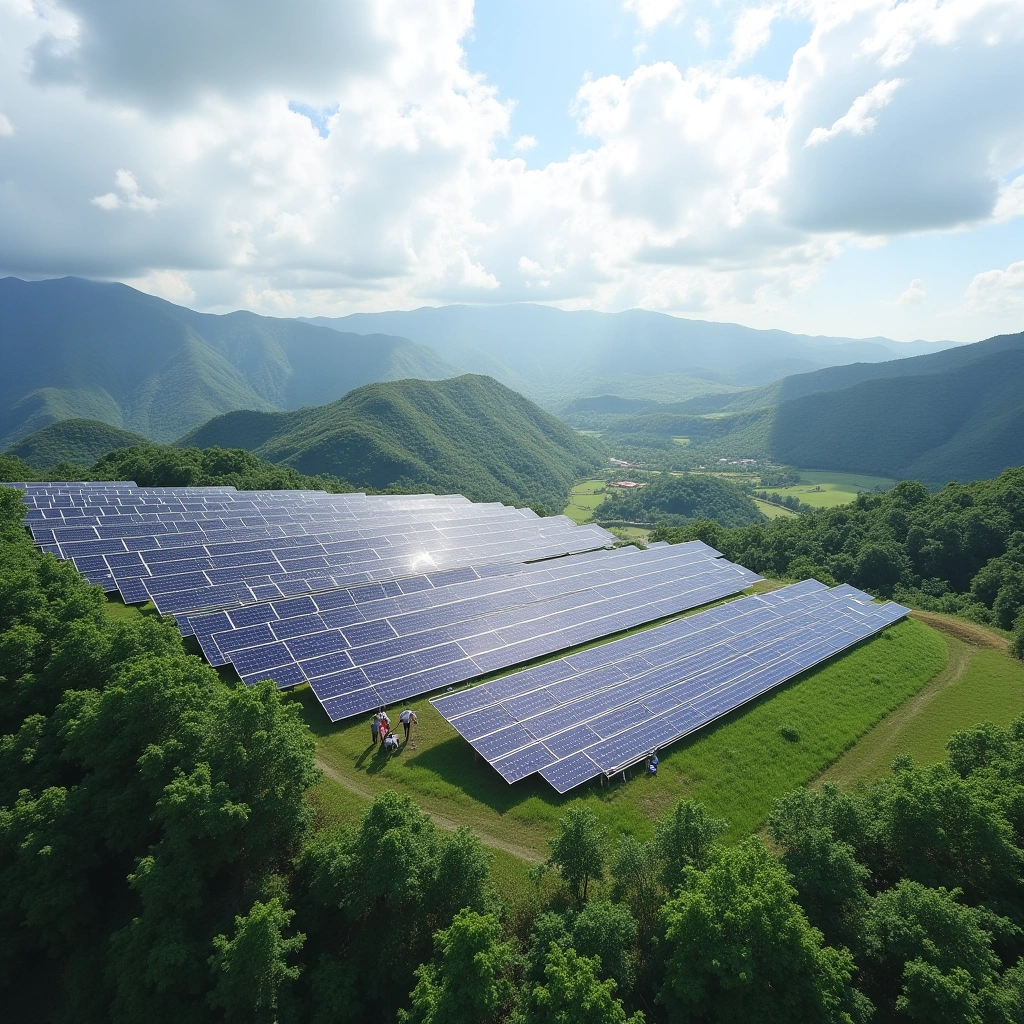
Rooftop solar has likely almost doubled in the last 12 months . The Institute for Climate and Sustainable Cities (ICSC) measured rooftop solar in the Philippines at 712 megawatts (MW), using satellite images up to January 2025.
The Philippines is making waves in the renewable energy scene, and it’s not just because of its stunning beaches and vibrant culture. The archipelago is embarking on a dual solar transformation that’s turning heads, and for good reason. With foreign capital flooding in to ramp up solar energy production and innovative small-scale solar-and-battery systems emerging, the country is on a mission to not only add gigawatts but also to finally bend that pesky coal curve downwards. Let’s dive into this sunny revolution, shall we?
First up, let’s talk about the big players: foreign capital. In the world of renewable energy, money talks louder than a toddler who just discovered their voice. With investments pouring in from overseas, the Philippines is set to significantly increase its solar capacity. This influx of cash isn’t just about adding a few solar panels here and there; it’s about massive projects that could lead to gigawatts of energy being added to the national grid. And let’s be honest, the more gigawatts, the better. It’s like ordering a double shot of espresso instead of a single—more energy, please!
Now, let’s not forget about the second transformation: small, disconnected solar-and-battery systems. These systems are like the underdogs of the energy world, quietly but effectively doing their part to ensure that communities can weather the storms—literally. With the increasing frequency of typhoons and storms battering the islands, having a reliable energy source that isn’t reliant on the centralized coal-heavy grid is becoming more crucial than ever. Imagine being able to power your home even when the national grid is down because a storm decided to throw a tantrum. Sounds pretty great, right?
These small-scale systems are designed to be resilient, which is a fancy way of saying they can handle whatever Mother Nature throws at them. And let’s face it, she’s been in a mood lately. By investing in localized solar power, communities can take control of their energy supply, reducing their reliance on coal and other fossil fuels. It’s like having a secret stash of snacks—you know you’re covered even when the main supply runs dry.
But why is this all happening now? Well, the Philippines is one of the countries most vulnerable to climate change. With rising sea levels and increasingly severe weather events, the need for sustainable energy solutions has never been more urgent. By harnessing the power of the sun, the country is not only working towards energy independence but also fighting against the very forces that threaten its existence.
So, what does this mean for the future? If everything goes according to plan, we could see a significant decrease in coal usage in the Philippines. This would not only help the environment but also improve air quality, which is a win-win for everyone involved. Plus, let’s be real—who doesn’t want to breathe cleaner air? It’s like trading in your old, rusty car for a shiny new electric vehicle. You feel good about the choice, and the planet gives you a little thumbs up.
In conclusion, the Philippines is stepping into the solar spotlight with two transformative strategies that could reshape its energy landscape. With foreign investment fueling large-scale solar projects and small, resilient systems empowering communities, the archipelago is well on its way to a brighter, cleaner future. So, here’s to solar power—may it shine ever so brightly across the islands and help us all breathe a little easier!
Inspired by: “2 solar transformations at once in the Philippines: foreign capital as the fastest way to add gigaw…” (r/climatechange)