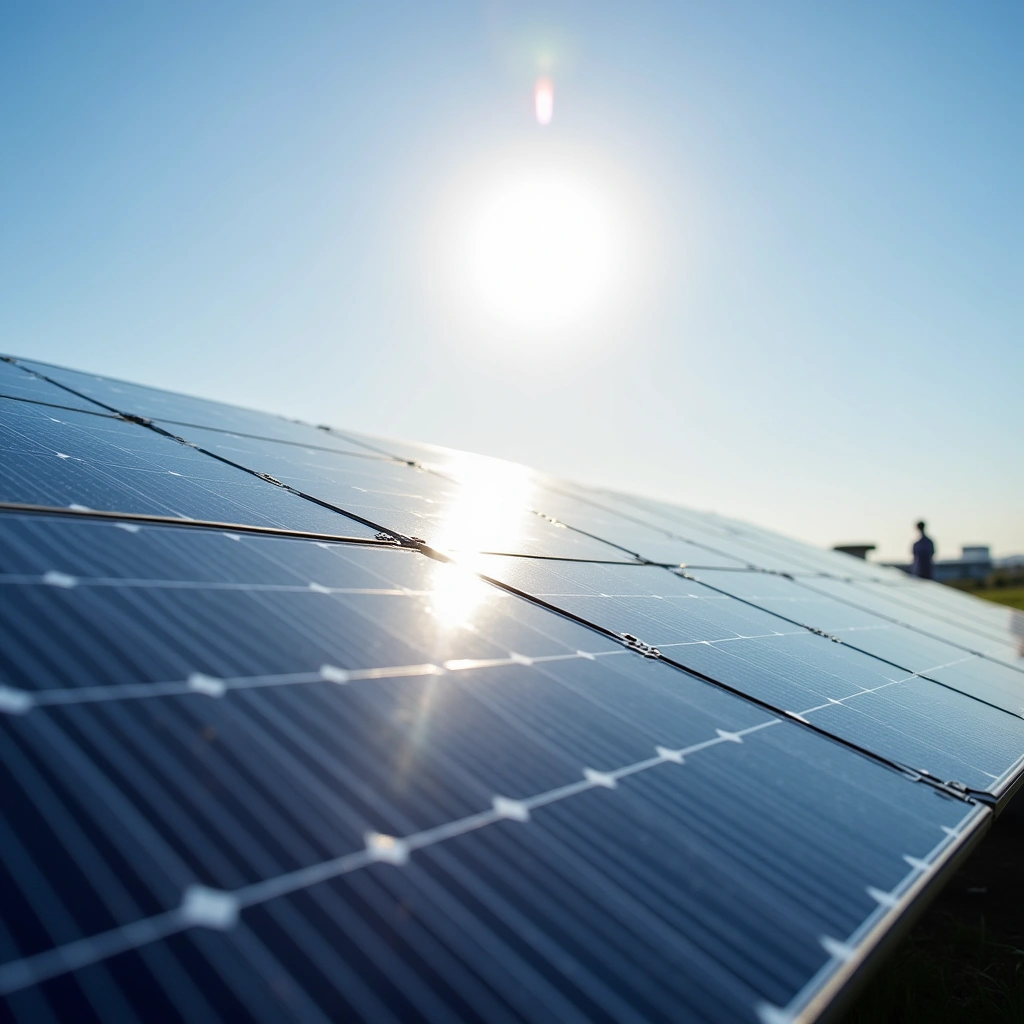
Ah, China and its solar industry — it’s like that overachieving student in class who does all the homework, aces the tests, but still ends up in detention for being too extra. Recently, Chinese authorities have called for “every effort” to strengthen capacity controls in the solar sector, and honestly, it’s about time someone put the brakes on this solar-powered rollercoaster ride.
Now, let’s break this down. The solar industry in China has been booming — and when I say booming, I mean like a piñata at a kid’s birthday party. There’s so much excess production that it’s almost as if they’re trying to power the entire universe with solar panels. But here’s the kicker: too much of a good thing can turn into a not-so-good thing, and that’s precisely what’s happening here.
Excess production in the solar sector means that there’s a surplus of panels just sitting around, waiting for someone to adopt them like a sad puppy at the shelter. This situation has led to a drop in prices, which sounds great until you realize that it’s a race to the bottom — and let’s face it, that’s not where we want to be, folks.
So, why the sudden call for capacity controls? Well, the Chinese government is stepping in to avoid the solar bubble bursting. They’re like that overly cautious parent who locks the liquor cabinet when you turn 18, just to ensure you don’t throw a wild party that ends in chaos. By controlling production capacity, the authorities aim to stabilize the market and encourage sustainable growth. It’s like trying to find a balance between having fun and not ending up in a regrettable Facebook photo.
But wait, there’s more! As we dig deeper, we find that this is not just a Chinese problem; it’s a global issue. With countries around the world ramping up their solar production to meet climate goals, we could easily find ourselves in a global solar surplus situation. Imagine a world where we all have solar panels, but no one needs them — it’s like having a closet full of clothes and nothing to wear.
And let’s not forget about the environmental aspect. Solar energy is hailed as the clean alternative to fossil fuels, but when we produce too many panels, we risk creating waste that could end up in landfills. It’s like buying too many avocados, only to watch them rot because you couldn’t eat them fast enough. Not very eco-friendly, right?
So, what’s the takeaway from this solar saga? While it’s fantastic that China is leading the charge in solar energy production, perhaps it’s time to take a step back and think about quality over quantity. It’s not all sunshine and rainbows; we need sustainable practices that ensure this industry can thrive without causing more harm than good.
In conclusion, let’s hope that with these new capacity controls, the Chinese solar industry can find that sweet spot between production and environmental responsibility. Because if there’s one thing we can all agree on, it’s that we don’t need a solar panel apocalypse on our hands. So, here’s to a brighter, more balanced future!