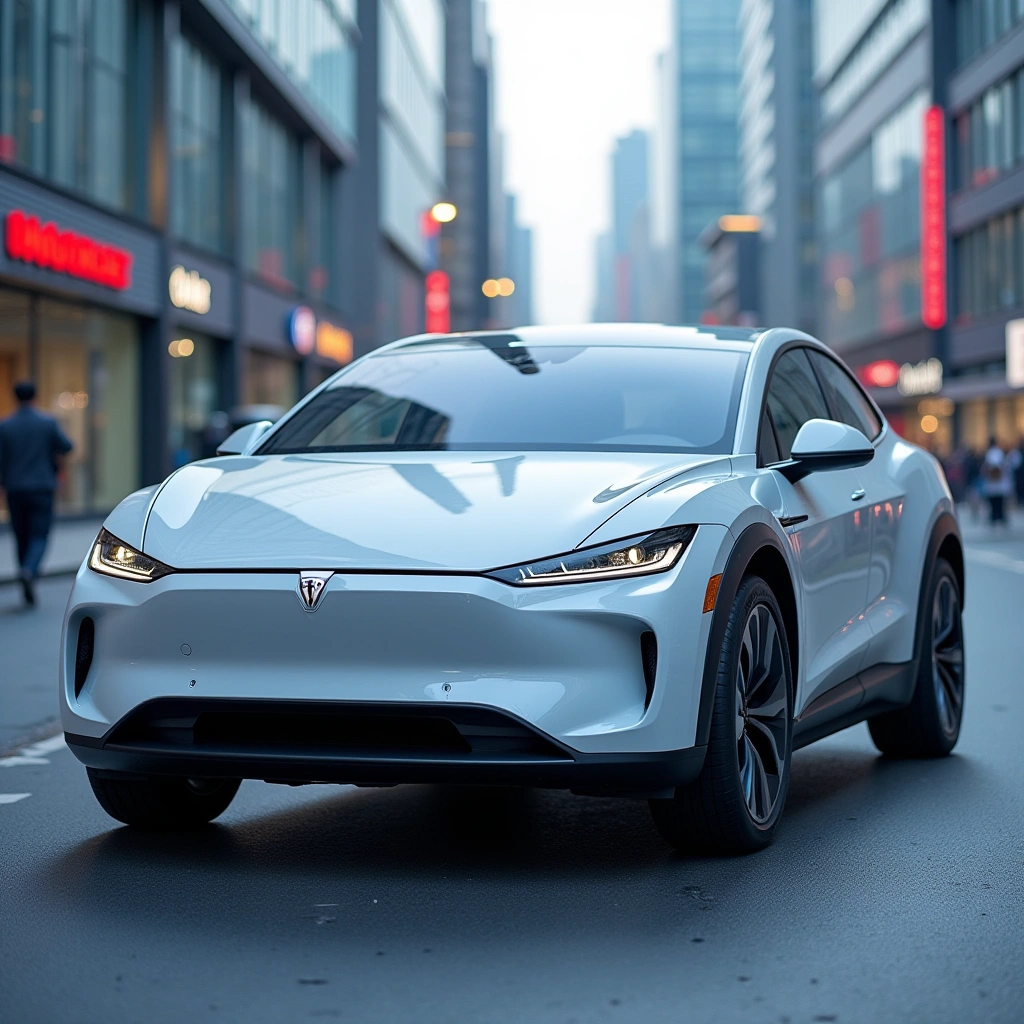
Subsidies have historically incentivized consumers in China to purchase electric vehicles . However, recent reductions in these subsidies are contributing to a decline in sales, raising concerns about the sustainability of the country’ s previous rapid growth in EV adoption.
Alright folks, gather around because we’ve got some electrifying news from the world of automobiles! In the first week of September, Chinese new energy vehicles (NEVs) reached a jaw-dropping market share of 71.5%. Yes, you heard that right. That’s not just a high score in a video game; that’s the reality of the electric vehicle (EV) market in China. It’s like watching a blockbuster movie where the protagonist (in this case, NEVs) is absolutely crushing the competition!
So, what does this mean for the traditional internal combustion engine (ICE) vehicles? Well, let’s just say they’re experiencing a bit of an implosion. If you think about it, it’s like watching a slow-motion train wreck—except instead of a train, it’s a bunch of gas-guzzling cars that are quickly becoming relics of the past. In the grand scheme of things, this transition is crucial for the planet, and if Mother Nature had a favorite child, it would definitely be the electric ones right now.
Now, before we dive into the nitty-gritty of why this is happening, let’s take a moment to appreciate the sheer audacity of these numbers. A 71.5% share means that out of every ten cars sold in China, about seven are now electric. You can’t ignore that kind of dominance. It’s like showing up to a potluck with a five-tier cake while everyone else brought chips and dip.
You might be wondering, what’s driving this electric revolution? For starters, let’s talk about government support. The Chinese government has been pouring money into the EV sector like it’s the hottest investment tip on Wall Street. With incentives, subsidies, and a plethora of charging stations popping up like mushrooms after a rainstorm, they’re making it super easy for consumers to jump on the electric bandwagon. And who doesn’t love a good deal?
Then there’s the growing awareness of climate change. With wildfires, hurricanes, and floods making headlines more often than celebrity scandals, people are starting to realize that maybe, just maybe, we should consider alternatives to fossil fuels. It’s almost like a collective light bulb moment—only this time it’s powered by renewable energy!
And let’s not forget the advancements in technology. Batteries are getting better, cheaper, and more efficient. It’s almost as if scientists are racing to see who can create the next best thing in EV technology. I half-expect to see a headline soon about a battery that runs on rainbows and unicorns, but for now, lithium-ion is still king.
Now, does this mean that the ICE vehicles are going down without a fight? Not exactly. They’re still clinging on with all their might, but the trend is clear. As more consumers opt for NEVs, automakers are scrambling to adapt. Some are even promising to go fully electric in the coming years. It’s like watching a contestant on a reality show trying to stay relevant—desperate times call for desperate measures!
In conclusion, as the numbers show, China is leading the charge (pun intended) in the electric vehicle market, leaving traditional ICE vehicles in the dust. This transition is not just about cars; it’s about a shift in mindset towards sustainability and innovation. So, buckle up, because the future of driving is looking a lot greener—and who wouldn’t want that?
Remember, every time you see an electric car zoom by, just think of it as a small victory for the planet. And who knows, maybe one day we’ll all be cruising in our own electric chariots, sipping organic smoothies and basking in the glory of a cleaner world. Until then, keep your eyes on the road and your heart set on sustainability!
Inspired by: “Summary: Chinese nEV share reaches 71.5% in the first week of September as ICE implosion continues” (r/climatechange)