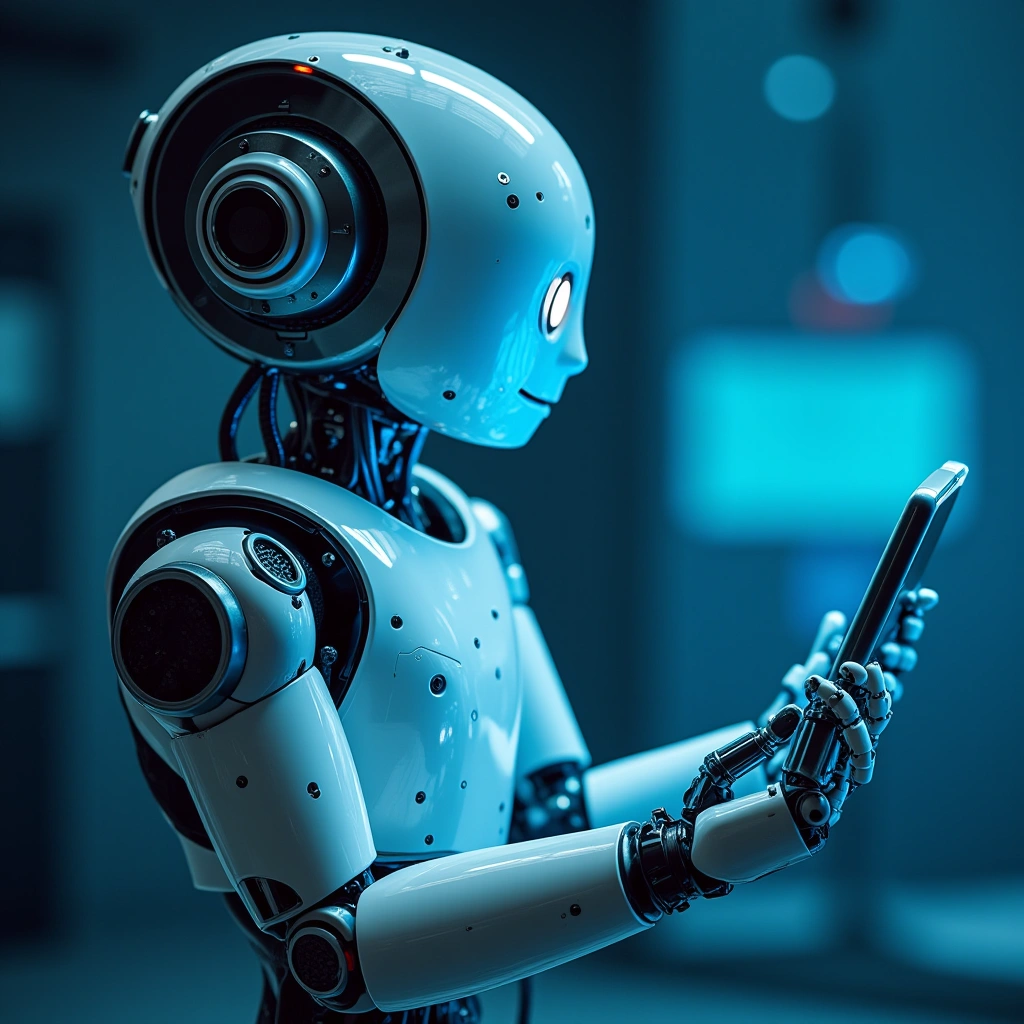
In a world where technology is advancing faster than a toddler can say ‘no,’ it’s no surprise that even our mental health is getting a digital makeover. According to recent discussions on Reddit, psychologists are finding that more and more patients are turning to chatbots as their primary source of mental health support. Yes, you heard that right—those friendly little AI programs that can help you with your grocery list are now stepping into the role of your therapist.
AI chatbots are increasingly used for mental health support due to their 24/7 availability, low cost, and ability to provide judgment-free spaces that encourage open sharing. However, human therapists maintain that chatbots cannot replicate the therapeutic alliance, which relies on genuine human connection, nonverbal cue interpretation, and clinical empathy. While AI can assist with psychoeducation and between-session support, experts warn against viewing chatbots as substitutes for professional care due to risks of emotional dependency, lack of nuanced emotional understanding, and potential harm in crisis scenarios.
Now, before you roll your eyes and mutter something about the impending robot apocalypse, let’s dive into why this trend is gaining traction. For starters, chatbots are available 24/7. That’s right—no more waiting for your therapist to finish their lunch or squeezing you into a packed schedule. If you have a midnight existential crisis, just fire up your favorite chatbot, and boom! You’ve got yourself a virtual therapist who doesn’t care if you’re still in your pajamas.
But let’s be honest: the thought of pouring your heart out to a chatbot might feel a bit like confessing your deepest secrets to a toaster. “Hey, Mr. Toaster, I feel like I’m burning out!” But, surprisingly, these chatbots are designed to provide empathetic responses. They can help users navigate feelings and thoughts in a way that is, dare I say, almost comforting. Sure, it’s not the same as a warm cup of tea and a listening ear, but it’s better than talking to your houseplant.
One of the biggest draws of using chatbots is the anonymity they provide. You can spill your guts without the fear of judgment. There’s no therapist raising an eyebrow at your life choices or silently judging your Netflix binge-watching habits. Instead, it’s just you and your digital companion, who presumably has no clue what ‘The Office’ is but is ready to listen to your woes about it.
However, let’s not get too carried away here. While chatbots can offer support, they’re not a substitute for professional therapy. They lack the human touch that only a trained mental health professional can provide. If you’re facing serious mental health challenges, it’s essential to seek help from a qualified therapist. Chatbots are great for light support or a little guidance, but they can’t replace the nuanced understanding that comes from years of training and human experience.
Plus, there’s the small issue of how much you really want to share with a chatbot. Sure, they can handle your complaints about work stress or relationship drama, but what happens when you start talking about your childhood trauma? Will the chatbot just respond with, “That sounds tough. Have you tried turning it off and on again?”
In conclusion, while chatbots are making waves in the mental health arena, they should be seen as a supplement rather than a replacement for traditional therapy. They can be your late-night confidant, your digital cheerleader, or even just a distraction from your overwhelming feelings. But remember, when it comes to serious issues, nothing beats the warmth and understanding of a real human being—unless that human is your ex. In that case, maybe stick with the chatbot.
Inspired by: “Psychologists say patients are turning to chatbots as mental health professionals” (r/technology)