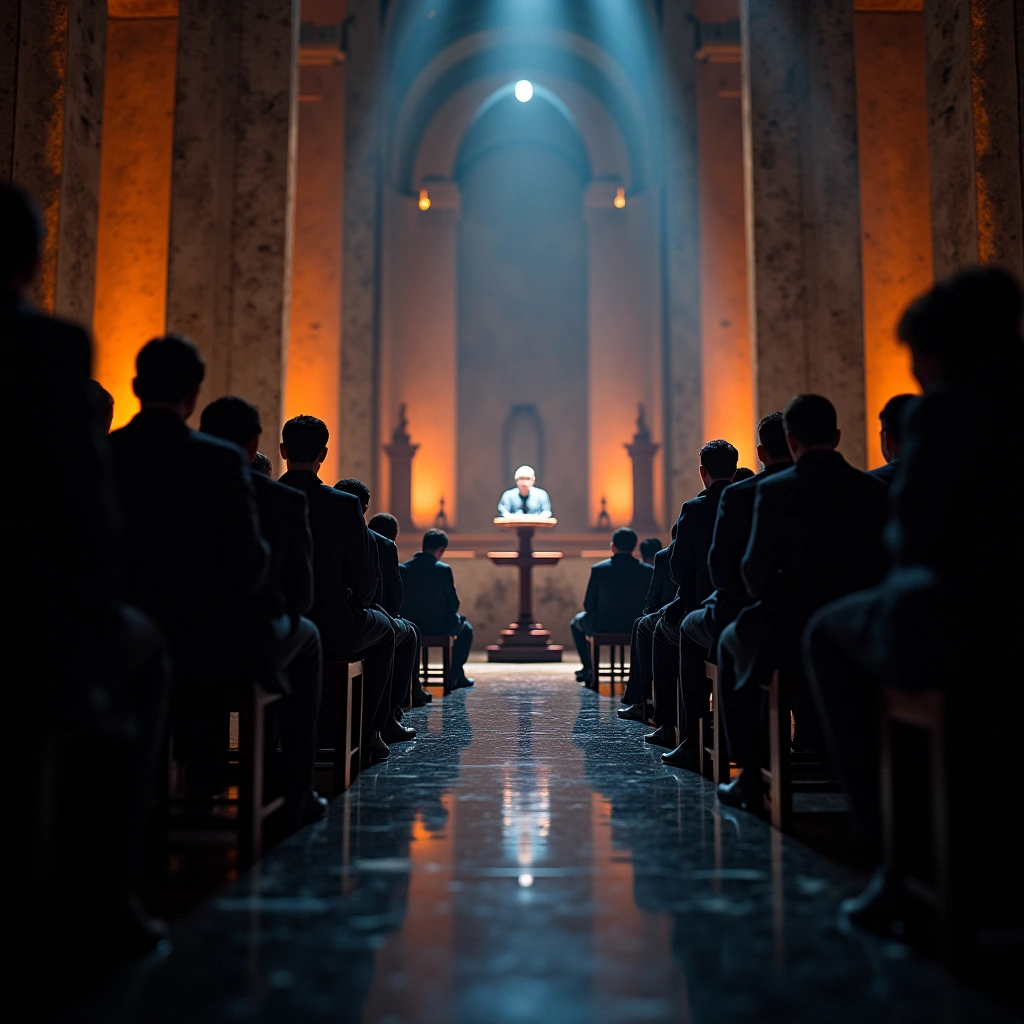
If you thought the world of artificial intelligence was all about self-driving cars and chatbots that can hold a conversation better than your Uncle Bob after a few drinks, think again! Enter ‘Chant GPT’, the latest AI sensation that has taken the ancient art of Gregorian chant and given it a digital facelift. Yes, you heard that right—AI-generated Gregorian chant is here, and the Catholic community is buzzing with responses ranging from awe to skepticism.
“Gregorian chant is what the soul sings to God; it is what a bride sings to her Divine Bridegroom,” Nixen said. “If an AI-generated thing can love and get married, then it can sing chant. If it can get baptized, then it can sing chant.
Now, if you’re not familiar with Gregorian chant, let me give you a quick rundown. It’s the serene, ethereal music that has been echoing through the halls of cathedrals for centuries. Picture monks in flowing robes, harmonizing in Latin while the incense wafts through the air—very spiritual stuff. So, when you throw AI into the mix, you can imagine the eyebrows being raised.
The basic premise of Chant GPT is that it uses algorithms to analyze and replicate the styles of traditional Gregorian chant. It’s like giving a computer a crash course in medieval music and then asking it to compose its own masterpieces. While some might think this is a fantastic innovation, others are clutching their rosaries in horror.
Many Catholics are embracing this technological marvel with open arms. They see it as a way to modernize the church’s musical offerings, making Gregorian chant more accessible to the tech-savvy generation. “Finally, I can listen to Gregorian chant while scrolling through my Instagram feed!” one enthusiastic churchgoer exclaimed. Who knew that the sacred sounds of the church could be the soundtrack to our daily lives?
However, not everyone is on board with this digital choir. Critics argue that AI-generated music lacks the human touch and spiritual depth that comes from centuries of tradition. They’re concerned that we’re trading the divine for the digital, and let’s be honest, that’s a pretty fair point. After all, can a computer really capture the essence of a prayer sung by a monk who hasn’t seen sunlight in three weeks?
Some traditionalists are even worried that this trend could lead to a slippery slope. What’s next? AI-generated sermons? Imagine listening to a perfectly optimized homily that’s tailored to your specific likes and dislikes. “You know, I really wish Father Joe would mention more about the importance of brunch…” Well, with AI, you might just get that!
Despite the mixed reactions, it’s clear that AI is here to stay, and it’s making waves in all corners of life—including the sacred. Whether you’re a fan of Chant GPT or a staunch traditionalist, one thing is for sure: this conversation is just getting started. So, grab your headphones and get ready to experience the fusion of faith and technology in a way you never thought possible. Just remember to keep your expectations in check; after all, no amount of AI can replace the genuine warmth of a live choir (or the smell of a good incense).
In the end, whether you’re chanting along with a computer or a choir, what matters most is the spirit behind the music. And if that spirit can be enhanced by a little bit of AI, well, who are we to argue? Let’s just hope the robots don’t start demanding their own pews anytime soon!
Inspired by: “‘Chant GPT’: How Catholics are responding to AI-generated Gregorian chant” (r/technology)