Category: Technology

  • The $30 Billion Quantum Bet: What to Expect from the Quantum Hardware Race in 2026

    The $30 Billion Quantum Bet: What to Expect from the Quantum Hardware Race in 2026

    Hey there, fellow quantum enthusiasts! Buckle up because we are about to dive into the dazzling world of quantum computing. Grab your favorite snack (preferably something that doesn’t involve quantum entanglement—I’m looking at you, Schrödinger’s cat) because we’re about to explore the jaw-dropping $30 billion investment into quantum hardware and what it might deliver by 2026.

    First off, let’s talk about that staggering figure: $30 billion. Yes, you read that right. That’s not just pocket change; that’s like the GDP of a small country, or enough to buy a few dozen overpriced lattes in Silicon Valley. This cash is flooding into the quantum realm, and while some might say it’s a gamble, others are positioning themselves for a future where quantum supremacy isn’t just a sci-fi fantasy, but a reality.

    Now, what does this hardware race really entail? Well, picture a bunch of nerds with wild hair, frantically racing against each other like kids on a sugar rush, trying to build the best quantum computers. And by ‘best’, we mean those that can solve problems classical computers can only dream of, like cracking encryption faster than you can say ‘quantum tunneling’.

    But wait, there’s more! The hardware being developed isn’t just for show. Companies like Google, IBM, and those sneaky startups in garages are all working on quantum chips, cryogenically cooled systems, and various qubits that would make your head spin. By 2026, we might see quantum computers that could tackle complex tasks in seconds that would take supercomputers eons. So, if you’ve ever wanted to know what it’s like to have a computer that doesn’t just think outside the box but obliterates the box entirely, you may just be in for a treat!

    However, let’s sprinkle in a little skepticism here. The hardware race is not without its hiccups. Think of it like trying to bake a soufflé while on a rollercoaster. The technology is still nascent, and we’re not just talking about a few bugs in the software. The physical challenges of maintaining qubits in a stable state are akin to balancing a spoon on your nose while reciting pi to a hundred digits. It’s not easy, folks!

    So, what can we realistically expect in 2026? Predictions suggest that we’ll have more robust quantum systems that can perform useful tasks—real-world problems, not just party tricks. We might see breakthroughs in drug discovery, materials science, and even climate modeling. I mean, who wouldn’t want a quantum computer that can tell us if the planet will be habitable in a hundred years? Talk about a killer app!

    But here’s the kicker: while the hardware improves, we also need to look at the software and algorithms. You can have the fanciest quantum hardware in the world, but without the right code, it’s like having a Ferrari and only knowing how to drive a bicycle. A good chunk of that $30 billion will need to go into training the next generation of quantum programmers who can actually make use of this tech.

    In conclusion, the $30 billion quantum bet is a thrilling ride that promises to deliver some incredible advancements by 2026. But let’s keep our expectations in check, shall we? It’s not all rainbows and butterflies in the quantum world. Just remember, as we cheer for our favorite quantum nerds, it’s okay to have a little skepticism—after all, it’s a wild ride, and we’re all just along for the quantum adventure!

  • From Harvard to the East: The Controversial Journey of a Convicted Scientist Rebuilding a Brain-Computer Lab in China

    From Harvard to the East: The Controversial Journey of a Convicted Scientist Rebuilding a Brain-Computer Lab in China

    Hey there, curious minds! Grab your favorite snack and settle in because we’re diving into a story that’s as twisted as a pretzel and as intriguing as a Netflix thriller. Picture this: a former Harvard scientist, once hailed as a genius, now a convicted felon, has packed his bags and made his way to China to rebuild a brain-computer interface lab. Sounds like the setup for a sci-fi movie, right? Buckle up, because this is going to be a wild ride!

    First, let’s talk about our protagonist. This former scientist, who we will refer to as ‘The Brainiac’ (because who doesn’t love a good nickname?), was once celebrated for groundbreaking research in the field of neuroscience. However, life took a nosedive when he found himself on the wrong side of the law. Whether it was a case of having too much ambition or simply getting caught in a web of unethical practices, he was convicted and his dreams shattered. But hey, what’s a little felony when you have a passion for science?

    Now, you might be wondering why on earth he would choose to set up shop in China. Isn’t China the land of strict rules and an iron fist? Well, yes and no. On one hand, it’s true that China has a reputation for its stringent regulations, but it also has a booming tech industry and a growing appetite for innovation. Plus, let’s not forget that the Chinese government is all about pushing the boundaries of technology — think AI, brain-computer interfaces, and, let’s face it, world domination!

    So, what exactly is a brain-computer interface (BCI), you ask? In layman’s terms, it’s a technology that allows the brain to communicate directly with a computer. Yes, you heard that right! Imagine controlling your computer with just your thoughts. It’s like having a superpower, minus the spandex suit and the awkward conversations with your mom about saving the world.

    Now, before you grab your pitchforks and torches, let’s discuss the ethics of this situation. Is it morally acceptable for someone with a criminal past to continue working in such a sensitive field? On one hand, redemption is a beautiful thing, and everyone deserves a second chance. But on the other hand, do we really want someone who’s already crossed the line to have access to our brains? Talk about a slippery slope!

    As The Brainiac sets up his lab in China, we can only imagine the conversations happening behind closed doors. Will he be a pariah or a pioneer? Will his past haunt him like a ghost at a Halloween party or will he rise from the ashes like a phoenix, proving that even convicted felons can contribute to science? The answers to these questions will unfold as we keep an eye on this intriguing development.

    In conclusion, the journey of our Harvard scientist-turned-entrepreneur is one that raises eyebrows, challenges norms, and makes us question the very fabric of ethics in the world of science. So, what do you think? Should we welcome The Brainiac back into the fold, or should we keep our brains off-limits? Let us know your thoughts below, and remember: think before you type, because your brain-computer interface might just be reading your mind!

  • Empowering First Nations Students: The Rise of a Cree Language App and Cultural Reconnection

    Empowering First Nations Students: The Rise of a Cree Language App and Cultural Reconnection

    Hey there, language lovers and culture enthusiasts! Buckle up because we’re diving into a topic that’s as heartwarming as your grandma’s hugs and as spicy as the latest TikTok dance craze. We’re talking about First Nations students taking the reins and teaching themselves — and their peers — to speak Cree through a brand new, homegrown language app. Yes, you heard that right! Forget the traditional classroom setting; these kids are revolutionizing the way we learn languages.

    Now, let’s set the scene. Imagine a group of bright-eyed, bushy-tailed students fed up with the usual ways of learning. They decide, “What if we just do this ourselves?” And voila! The idea for a Cree language app is born. This isn’t just any app; it’s a digital playground where the sounds of the Cree language dance around like an over-caffeinated squirrel. Kids can connect with their culture, community, and — let’s be honest — each other without the awkwardness of a schoolyard game of dodgeball.

    Why is this so important, you ask? Well, language is more than just a means of communication; it’s the lifeblood of culture. For many Indigenous communities, speaking their native language is a direct line to their heritage. Think of it like a family recipe — if you don’t pass it down, it may just disappear, leaving future generations stuck with bland, store-bought alternatives. Nobody wants that, right?

    Research shows that language revitalization is not just about the words; it’s about identity, community, and pride. By teaching themselves and their peers, these First Nations students are saying, “Hey, we’re proud of who we are!” And honestly, if that’s not the ultimate flex, I don’t know what is. It’s like flexing your biceps at the gym while shouting, “I lift cultural heritage!”

    But hold on, let’s not ignore the elephant in the room — the digital divide. While this app is a fantastic step towards cultural reconnection, we need to ensure that all students have access to technology. If we’re not careful, we might end up with a situation where only a select few can join this language renaissance. It’s like throwing a party but forgetting to invite half the neighborhood. That’s just rude!

    As we cheer on these innovative students, let’s also think about how we can support broader access to technology and language learning resources. Because in the end, everyone deserves to have a seat at the table — or at least a cozy spot on the couch with their phone, learning Cree while binge-watching their favorite series.

    So, hats off to these First Nations students for taking initiative and leading the charge in language learning. Whether you’re already fluent in Cree or can barely pronounce “hello,” we can all appreciate the importance of cultural connection. As this app gains traction, let’s hope it inspires similar initiatives across the globe. Now, who’s ready to download that app and start speaking Cree? Because I know I am! Let’s go!

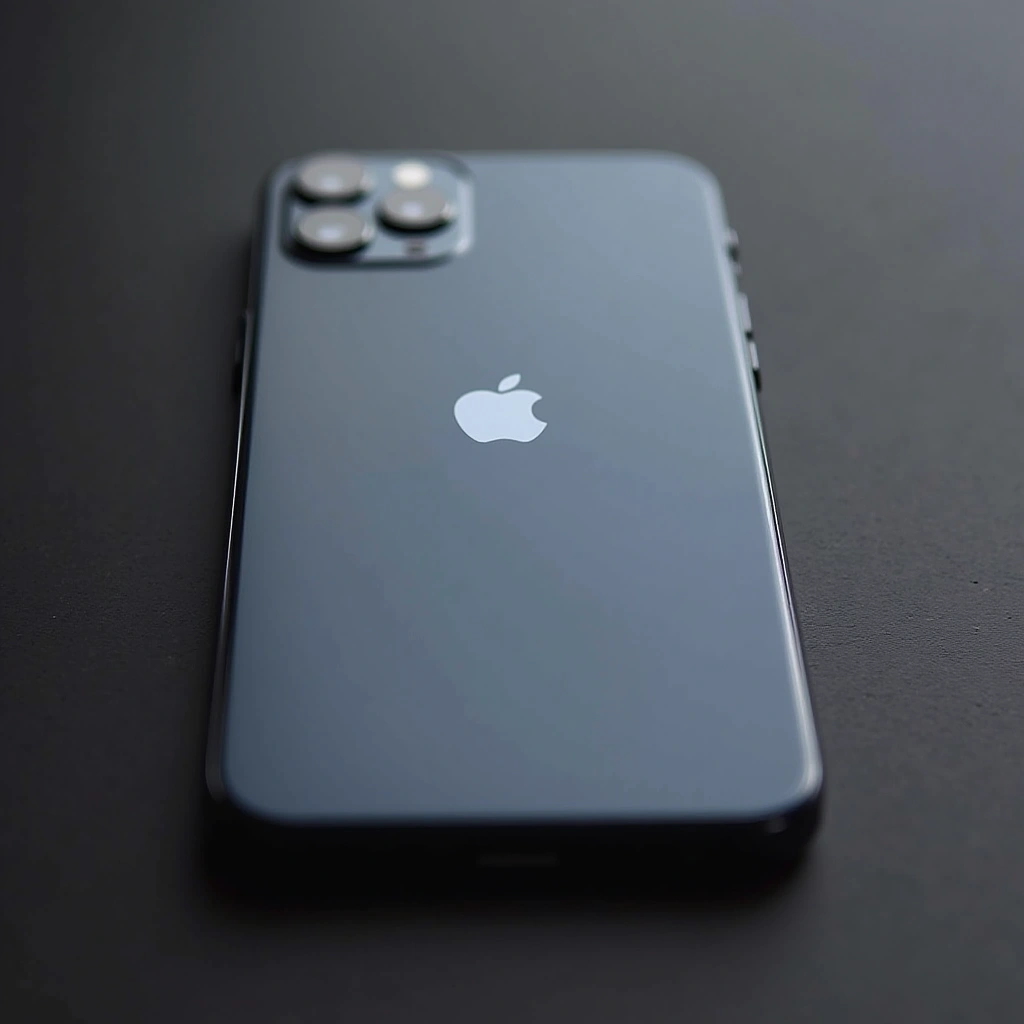
  • The iPhone 17: Apple’s Most Popular Lineup Ever – What’s the Hype?

    The iPhone 17: Apple’s Most Popular Lineup Ever – What’s the Hype?

    Well, well, well! Gather ’round, fellow tech enthusiasts and Apple aficionados! It seems that the iPhone 17 has officially taken the crown as Apple’s most popular lineup ever. And honestly, can we even act surprised? It’s Apple, after all. With each new release, they manage to make us feel like we are missing out on life itself if we don’t upgrade. Let’s dive into this phenomenon, shall we?

    First off, let’s talk about the hype train that is the iPhone 17. It’s like watching a reality show where everyone fights over the last slice of pizza – except in this case, the pizza is a shiny new smartphone, and the crowds are ready to trample anyone who stands in their way. Whether it’s the sleek design, the camera that can practically take selfies of your soul, or the battery life that lasts just long enough to keep you from losing your mind while scrolling through memes, I mean, who wouldn’t want one?

    Now, let’s not forget the elephant in the room: price. The iPhone 17 lineup has prices that could make a grown man weep. Yet, when you see the ad with a hipster riding a skateboard while casually taking a video of a sunset, you somehow convince yourself that you need it. It’s like Apple has cracked the code on how to make us feel inadequate without their latest gadget. Bravo, Apple! Bravo!

    But let’s get real for a minute. Is the iPhone 17 really that revolutionary? Or are we just caught in a loop of consumerism that makes us believe we need the newest tech? Sure, the new features are impressive; the ‘Pro’ versions have cameras that can detect if your crush is actually in love with you (okay, maybe not that far, but you get the idea). But sometimes, I wonder if we’re just trading in our perfectly functional devices for something that will be out of date before we even finish paying it off.

    And let’s not even start on the color options. Gone are the days of just black and white. Now we have a rainbow of colors that sound more like paint swatches from a DIY project than phone options. “Oh, you got the ‘Crimson Sunset’ model? How quaint!” It’s like we’re all competing for who can have the flashiest device. Next thing you know, we’ll have iPhones in shades like “Midnight Unicorn” or “Mystic Ocean.”

    In conclusion, whether you’re a die-hard Apple fan or just a casual observer, the iPhone 17’s popularity is a testament to the brand’s power in our lives. While some might argue that it’s just another phone, the reality is that it’s so much more than that. It’s a status symbol, a conversation starter, and a way to distract from the existential dread of modern life. So, if you can afford it, go ahead and join the iPhone 17 club. Just don’t forget to bring your wallet… and maybe some tissues for the price tag.

  • Friendster Makes a Comeback: The Anti-Algorithm App We Didn’t Know We Needed

    Friendster Makes a Comeback: The Anti-Algorithm App We Didn’t Know We Needed

    Ah, Friendster. The site that was once the social media equivalent of a floppy disk—nostalgic, a bit outdated, but oh-so-cherished. If you thought we’d seen the last of our long-lost digital pal, think again! Friendster has decided to make a grand re-entrance into the world of social networking with a shiny new app that promises one thing: no algorithms, just ‘real friends.’ Sounds revolutionary, doesn’t it? Or at least like a desperate attempt to revive a digital dinosaur.

    Now, let’s take a moment to appreciate the audacity of this revival. In a world dominated by algorithms that dictate who we see and what we read, Friendster is throwing up its hands and saying, “Nah, we’re going old school.” It’s like your cool uncle who shows up at a family gathering wearing bell-bottoms and a tie-dye shirt, insisting that peace and love are the answers to all of life’s problems. You’ve got to love the spirit!

    But let’s be real: can we truly go back to a time when social media was less about curated feeds and more about connecting with actual humans? Remember the days when you’d scroll through your friend’s top 8 and wonder why you weren’t in it? The horror! Fast forward to today, and we’ve got algorithms deciding our worth based on clicks, likes, and shares. But wait, what if we just wanted to hang out with our actual friends without the noise? Cue the nostalgic music—Friendster’s here to save the day!

    So, what exactly does this app promise? According to the buzz, it’s all about authentic connections. No more endless scrolling through influencer posts or promotional content that makes you question your life choices. Just pure, unadulterated friendship vibes. The app aims to bring back the intimacy of social media, where you connect with your real-life buddies without the fear of being fed content that’s been meticulously crafted to keep you engaged (read: addicted).

    Now, before you dive headfirst into this new ‘friendship utopia,’ let’s address the elephant in the room: Is there really a demand for a platform that ditches algorithms? In a world where attention spans are shorter than the lifespan of a fruit fly, can we actually thrive without the algorithmic crutch? Or are we just romanticizing a simpler time when social media didn’t feel like a pressure cooker?

    Some might argue that this “no algorithm” approach could lead to a quieter, more peaceful online experience. Just think: fewer ads for products you didn’t even know existed, and more memes shared between friends. It’s the digital equivalent of sitting around a campfire, roasting marshmallows, and sharing ghost stories. Sounds delightful, right?

    However, others might say that the absence of an algorithm could lead to a barren wasteland of content. Sure, you’d be talking to your friends, but what happens when your friend group is smaller than your pet goldfish’s social circle? Will we end up in the digital equivalent of a ghost town, where crickets chirp and tumbleweeds roll by?

    Regardless of where you stand on the Friendster comeback, one thing’s for sure: it’s stirring up the pot. It’s a bold move in a landscape filled with algorithm-driven giants like Facebook and Instagram. Whether this is a nostalgic trip down memory lane or a genuine step toward a more authentic online experience, we’ll just have to wait and see. Until then, dust off those old Friendster accounts, folks—your new ‘real friends’ might just be a click away!

  • Is MAX the Russian Super App a Spyware Nightmare? Let’s Dive In!

    Is MAX the Russian Super App a Spyware Nightmare? Let’s Dive In!

    Ah, the digital age—we’ve got memes, cat videos, and now, a Russian super app that has Cloudflare raising the alarm bells. The app in question, known as MAX, is being flagged as spyware. But before you don your tinfoil hat and start looking for hidden cameras in your toaster, let’s unpack this juicy situation.

    First off, what’s the deal with MAX? If you haven’t heard of it, MAX is being touted as a ‘super app.’ Think of it as the Swiss Army knife of mobile applications. It does everything from messaging to shopping, and possibly even helping you find your lost socks (no promises on that one). The concept of a super app is pretty cool—who doesn’t love convenience? But with great power comes great responsibility, and apparently, some serious privacy concerns.

    So, why is Cloudflare waving its proverbial red flag? Well, the cybersecurity firm has claimed that MAX is acting a bit too suspiciously—a classic case of ‘if it quacks like a duck, it might just be a spy.’ Cloudflare has flagged it as spyware, which is basically the digital equivalent of your neighbor peeking through your window with binoculars. Yikes!

    Now, let’s get into the juicy bits. What does it mean to be flagged as spyware? In layman’s terms, it’s like having a super annoying roommate who goes through your stuff without asking. Spyware often collects data without your consent, and it could be anything from your browsing history to your deepest, darkest secrets (like that time you Googled how to bake a soufflé). If MAX is indeed gathering this kind of data, then we’ve got a real problem on our hands.

    But hold your horses! Not all is doom and gloom. The developers of MAX are likely scrambling to defend their creation. They might argue that the app is simply gathering data to improve user experience. You know, like how your smartphone knows you need a pizza after a long day. But let’s be real; most of us don’t want our apps knowing our cravings—or worse, our Netflix binge-watching habits.

    To add to the drama, the discussion around MAX has sparked broader conversations about privacy and security in the app world. Are we giving too much power to these super apps? Is it time for a digital detox? Or do we just need to be a bit smarter about what we download? It’s a slippery slope, my friends.

    In conclusion, while MAX might seem like the latest tech marvel, it’s essential to stay vigilant. If you’re using an app that’s being flagged as spyware, it might be time to rethink that download. Remember, in the wild west of the internet, being cautious is your best defense. So, keep your data close and your apps closer—because you never know when one might turn out to be a little too nosy for comfort!

  • From Harvard to High-Tech: The Bizarre Journey of a Convicted Scientist Rebuilding a Brain-Computer Lab in China

    From Harvard to High-Tech: The Bizarre Journey of a Convicted Scientist Rebuilding a Brain-Computer Lab in China

    Hey there, fellow internet wanderers! Grab your popcorn and settle in because we have a juicy tale that sounds like it was ripped straight from the pages of a sci-fi novel. Picture this: a former Harvard scientist, once the pride of academia, now a convicted felon, is packing his bags and jetting off to China to rebuild a brain-computer interface lab. Yeah, you heard that right!

    So, what’s the story here? Our protagonist, let’s call him Dr. Brainiac (because why not?), found himself in hot water after some rather questionable decisions that resulted in a legal slap on the wrist. It seems that while some of us were binge-watching cat videos, Dr. Brainiac was busy making questionable deals and, well, let’s just say the law wasn’t too pleased with his extracurricular activities.

    But wait, there’s more! Instead of sulking in a corner or, I don’t know, taking a break to reflect on his life choices, Dr. Brainiac decided to take his genius to China where the tech scene is hotter than a chili pepper on a summer day. Why China, you ask? Well, if you want to play in the big leagues of brain-computer interfaces, you might as well do it where the funding is flowing like wine at a frat party!

    Now, let’s break this down a bit. Brain-computer interfaces (BCIs) are basically the cool kids on the tech block. We’re talking about technology that allows direct communication between the brain and external devices. Imagine being able to control your computer with just your thoughts! “Open Facebook!” and boom, it’s done. You can even imagine how that could go wrong—“Scroll through ex’s photos? No, brain! Bad brain!”

    In China, the appetite for BCI research is like a never-ending buffet. The government is throwing money at anyone with a brainwave (pun intended) and the ambition to make it happen. So, it’s no surprise that Dr. Brainiac is looking to set up shop there, dodging the pesky scrutiny of his past like it’s a dodgeball game. But here’s where it gets a bit controversial. Is it ethical to let a convicted scientist dive back into groundbreaking research? Shouldn’t there be a period of penance, or at least a friendly chat over a cup of coffee about what went wrong?

    Some folks argue that people deserve a second chance, and who better than someone who’s been to the edge and back? Others, however, are clutching their pearls and saying, “Not on my watch!” It’s like the age-old debate of whether you should let a cat back into the house after it’s knocked over your favorite plant—can we really trust them again?

    As Dr. Brainiac gears up to make his mark on the brain-computer scene in China, we’re left with more questions than answers. Will he create the next groundbreaking technology that allows us to control our devices with just our minds? Or will he end up in another scandal, possibly involving a rogue AI that tries to take over the world? Only time will tell, my friends. Grab your tinfoil hats and stay tuned!

    In conclusion, this story is a wild ride that blurs the lines of morality, technology, and human error. As Dr. Brainiac embarks on this new chapter, let’s just hope he’s learned a thing or two about playing nice. After all, the last thing we need is a scientist with a criminal record trying to connect our brains to the cloud. Cheers to science, controversy, and the inevitable chaos that follows!

  • Chinese Software Maker Shakes Up Wall Street with Rare Nasdaq Listing Approval

    Chinese Software Maker Shakes Up Wall Street with Rare Nasdaq Listing Approval

    Hey there, fellow finance aficionados and casual investors! Grab your virtual popcorn because we’ve got a blockbuster news story that’s hotter than a Szechuan peppercorn! A Chinese software company has just snagged a rare approval to list on Nasdaq, and let me tell you, this is a big deal for those ‘red-chip’ firms out there. You know, the ones that make you feel like you’re gambling on a game of mahjong while holding a winning hand.

    Now, if you’re sitting there scratching your head, wondering what a ‘red-chip’ firm is, let me break it down for you. These companies are usually incorporated outside of mainland China (often in places like the Cayman Islands) but have significant operations in China. Think of them as the international cousins of your local Chinese takeout – they may be based in a different country, but they still bring the flavor!

    So, what’s the big deal about this Nasdaq listing? Well, for starters, it’s a sign that the icy relationship between U.S. and Chinese markets might be thawing a bit. Remember when investing in Chinese stocks felt like playing dodgeball at a kindergarten party? One minute you’re feeling all warm and fuzzy, and the next, you’re dodging lawsuits and regulatory scrutiny! This approval could signal that the U.S. market is ready to embrace these companies again, which could mean more opportunities for investors — and more reasons for your financial advisor to roll their eyes at your wild stock picks!

    And let’s not forget about the sheer audacity of it all. Listing on Nasdaq is like getting a VIP pass to the hottest club in town. It’s where the cool kids hang out, and you know what? This software maker just pulled off the ultimate power move by getting in. It’s like when your introverted friend suddenly starts dancing on tables at a wedding. You know they’ve been waiting for this moment their whole life!

    Of course, with great power comes great responsibility—or in the case of these companies, a mountain of regulations. The scrutiny they’ll face from U.S. regulators will be tougher than finding a parking spot in downtown San Francisco. And let’s be honest, if they slip up even a little, it’s like being the kid who forgot to do their homework in class – no one’s going to let you live that down!

    In conclusion, this approval isn’t just a win for the software maker; it’s a win for red-chip firms everywhere. It’s a glimmer of hope that the relationship between the U.S. and China can improve, at least in the realm of finance. So, keep your eyes peeled, folks! This is just the beginning, and who knows? You might just find that your next big investment is hiding in plain sight, wearing sunglasses and sipping bubble tea.

    Now, go out there and make your wallets proud! Or, you know, at least try not to lose your shirt in the process. Happy investing!

  • Why Microsoft’s AI-Powered Clock App in Windows 11 Might Just Change Your Life (Or Not!)

    Why Microsoft’s AI-Powered Clock App in Windows 11 Might Just Change Your Life (Or Not!)

    Hey there, fellow tech enthusiasts! Grab your coffee, because we’re diving into a topic that’s as exciting as a surprise three-day weekend—Microsoft is flirting with the idea of adding AI functionalities to the Windows 11 Clock app. Yes, you heard that right. The humble clock, your daily reminder that time waits for no one, might just become your new best friend!

    Now, before you roll your eyes and say, “Great, just what I need—an app that tells me I’m wasting my life!” let’s unpack what this could mean for our productivity and focus. AI and productivity tools are like peanut butter and jelly; one is sticky and hard to manage, while the other is sweet and makes everything better. Wait, did I get that right? Oh well, you get the point!

    First off, let’s talk about the potential features. Imagine an AI that learns your work habits better than your nosy neighbor who peeks through the curtains. It could analyze your productivity patterns—like when you’re most likely to binge-watch cat videos during work hours—and suggest optimal focus periods. Suddenly, your Clock app isn’t just a timepiece; it’s your personal productivity coach that doesn’t judge you for that 3-hour Netflix break.

    But let’s face it, AI’s track record isn’t exactly spotless. Remember when we thought AI would be the ultimate solution to all our problems, only for it to recommend that we wear socks with sandals? Yeah, not quite the fashion advice we were hoping for. So, there’s a chance that instead of helping us focus, it might just encourage us to take more breaks or, even worse, suggest we start knitting as a side hobby. Thanks, but no thanks!

    And hey, let’s not ignore the elephant in the room: data privacy. With AI analyzing your daily routines, you might start feeling like that one character in every thriller movie who realizes their smart devices are spying on them. “Oh look, it knows I’m procrastinating! How sweet,” you might say sarcastically, while your Clock app secretly starts plotting your demise during your next procrastination session.

    But here’s the silver lining: if done right, this could empower us to reclaim our time. Picture this: the AI offers gentle nudges to help you stay on track—like your mom reminding you to wear a coat when it’s snowing. No more endless scrolling through social media while you have deadlines looming! Instead, you could be hitting your goals like a boss. Who knew a Clock app could turn into your very own productivity cheerleader?

    In conclusion, while there are valid concerns surrounding AI’s integration into everyday tools, the potential for enhancing our productivity is tantalizing. The Clock app could evolve into a comprehensive focus tool that helps us navigate the chaos of modern life. But let’s just hope it doesn’t turn us into over-caffeinated robots who can only function with a strict schedule and a side of existential dread.

    So, what do you think? Are you ready to embrace the AI-powered Clock app, or are you still mourning the loss of your analog timepiece? Let me know in the comments, and let the clock tick on!

  • Amazon’s New Agentic Software: A Human Touch in a Robot-Driven World?

    Amazon’s New Agentic Software: A Human Touch in a Robot-Driven World?

    Hey there, tech enthusiasts and casual internet explorers! So, grab your favorite snack and sit tight because we’re diving into a topic that might just make you rethink your next Amazon order—Amazon’s ambitious plan to hire mass amounts of employees with the help of something they call ‘agentic software.’ Sounds like science fiction, right? Well, welcome to the future!

    Now, before you start picturing a robotic army of smiling drones delivering your Prime packages, let’s unpack this a bit more. Agentic software is essentially a fancy term for AI systems that can act independently and make decisions. Imagine a software that not only processes your order but also has the emotional intelligence of your overly caring grandmother. Yes, I’m talking about AI that could potentially humanize the hiring process at Amazon. Sounds like a plot twist from a bad sci-fi movie, doesn’t it?

    But let’s be real for a second. Amazon’s reputation for treating its workers like cogs in a machine has been well documented. So, it’s a bit rich for them to suddenly want to humanize anything, isn’t it? It’s like a villain in a movie suddenly deciding to volunteer at a soup kitchen. “Look at me, I’m a good person now!” But hey, I’m all for a little redemption arc.

    With this new software, Amazon claims they aim to make the hiring process more efficient and, dare I say, empathetic. Imagine applying for a job and the AI not only reviewing your resume but also understanding your passion for interpretive dance (because who doesn’t love a good moonwalk?). This could be a game changer, especially for those who might not have traditional qualifications but possess unique skills or experiences.

    Of course, there’s a catch (because there’s always a catch). The ethical implications of using AI in hiring are being debated fiercely. Will this software really be able to ‘humanize’ the process, or will it just create a new set of biases? We’ve seen how algorithms can perpetuate discrimination, and nobody wants a robot telling them they’re not qualified because their resume doesn’t include ‘influencer’ as a job title.

    And let’s not forget the skepticism that permeates the internet. As one Reddit user aptly pointed out, “Isn’t it a little too late to be humanizing anything if you’re already known for treating your workers like they’re part of a factory line?” Touché, my friend. It’s kind of like trying to teach a cat to fetch after it’s already knocked over your favorite vase.

    But amidst all this skepticism, there’s also hope. If Amazon can pull this off, it could pave the way for a new era of hiring practices across industries. Maybe one day, we’ll have AI that not only understands our resumes but also our dreams of becoming a world-class yodeler. Who knows?

    In conclusion, while Amazon’s foray into agentic software might sound like a step towards a more humane workplace, it’s essential to approach this development with a healthy dose of skepticism. Do we really trust a corporation that’s just as likely to send you a 5-star book on self-improvement as it is to send you a notification about your package being delivered late? Only time will tell if this new software will be a game changer or just another buzzword in the corporate jargon dictionary.

    So, what do you think? Are you ready to embrace the robot overlords, or are you still clinging to your dream of human-centric workplaces? Let’s chat in the comments below!