Category: Technology

  • Pope Leo’s Anti-AI Crusade: Is Technology Really Dulling Our Creativity and Judgment?

    Pope Leo’s Anti-AI Crusade: Is Technology Really Dulling Our Creativity and Judgment?

    So, it seems Pope Leo has decided to don his digital armor and charge headfirst into the ever-expanding battlefield of artificial intelligence. This isn’t your average Sunday sermon; it’s the kind of tech titanic battle that makes Star Wars look like a family picnic!

    In a world where our smartphones are practically glued to our hands, Leo’s stance is a refreshing (or perhaps archaic?) reminder of the risks that come with our tech-savvy lifestyles. He argues that AI is like that pesky cousin you never wanted to invite to the family reunion, who shows up, eats all the good food, and then sulks in the corner while everyone else has fun. In essence, he believes technology is weakening our human creativity and judgment, which, let’s face it, may not be entirely false.

    Let’s break it down: Have you ever found yourself scrolling through endless TikTok videos, entranced by the latest dance trends, only to realize you’ve completely forgotten how to engage in real-life conversations? Yeah, me too. The Pope is basically pointing out that while AI can generate a meme in milliseconds, it can’t replace the unique spark that comes from human experience and emotion. Imagine an AI trying to write a tear-jerking novel! The closest it would get is a very confused algorithm contemplating its existence.

    But here’s where it gets juicy: while Leo sounds like your old-school grandparent warning you about the dangers of too much screen time, is he really onto something? The reality is, many of us have become so reliant on technology that we’ve started to let it do our thinking for us. Need a recipe? Google it. Want to know the capital of France? Siri has you covered! But what about those moments when you just need to think for yourself? Are we sacrificing our instincts on the altar of convenience?

    Now, don’t get me wrong—AI has its perks. It can help us solve complex problems, manage our schedules, and even entertain us with cat videos for hours on end. But as we traverse this brave new world, it’s crucial to keep a balance. Imagine a future where humans just sit back, relax, and let AI make all the decisions—from what to eat for dinner to who to marry. Yikes! Talk about a dystopian dating app nightmare!

    In conclusion, while Pope Leo’s anti-AI crusade may seem like a nostalgic nod to simpler times, it raises a valid point about the need for human creativity and judgment in a tech-dominated landscape. So, the next time you reach for your phone instead of your brain, remember Leo’s warning. After all, it’s not about rejecting technology; it’s about using it wisely and keeping our spark alive—because AI might be able to write a catchy blog post, but it’ll never know the joy of smelling fresh coffee on a Sunday morning!


    Inspired by: “Pope Leo Continues Anti-AI Crusade, Says Tech Weakens Human ‘Creativity and Judgment’” (r/technology)
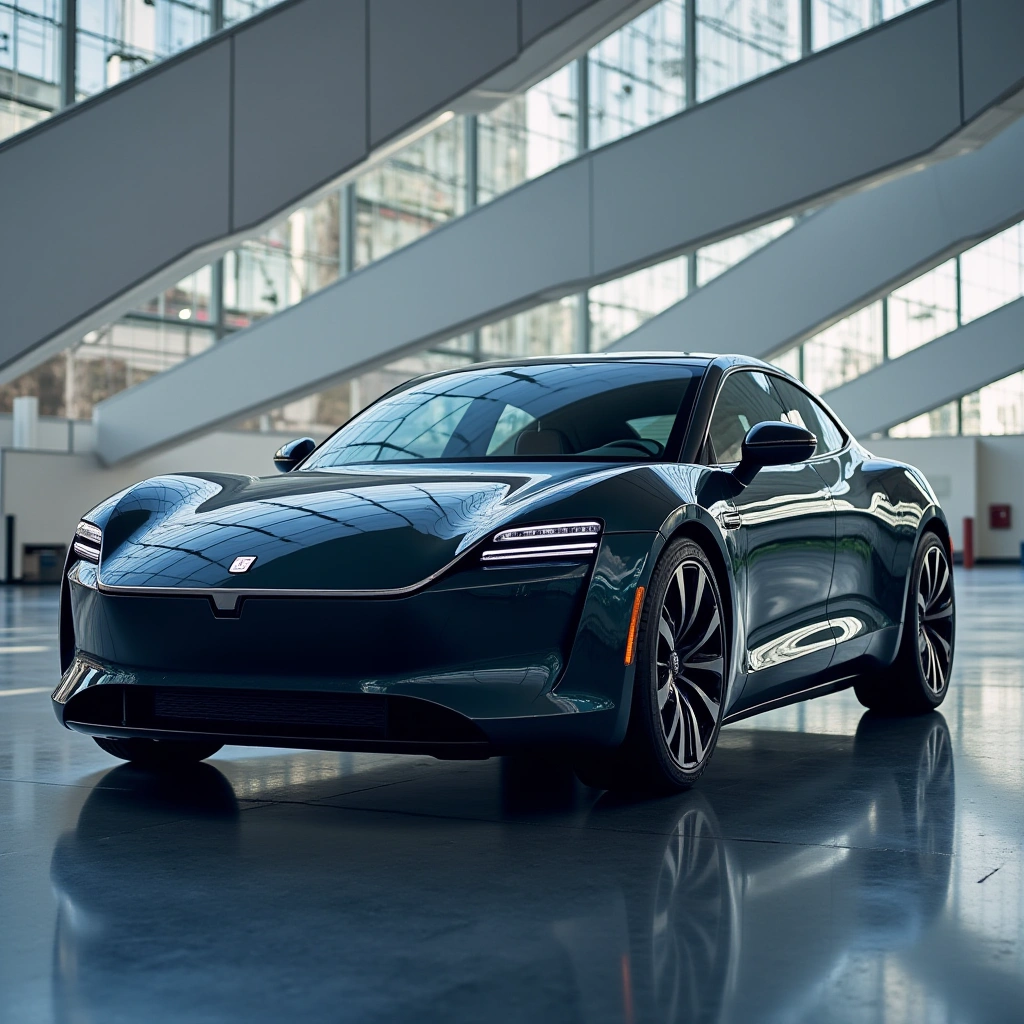

  • Why Rivian’s Software Chief Thinks Apple CarPlay and Android Auto Are So Last Season: An AI-Driven Future Awaits

    Why Rivian’s Software Chief Thinks Apple CarPlay and Android Auto Are So Last Season: An AI-Driven Future Awaits

    Hey there, fellow tech enthusiasts! Buckle up, because we’re about to dive into a hot topic that’s heating up the automotive world faster than a Tesla at a stoplight. Rivian’s Software Chief recently dropped a bombshell by claiming that Apple CarPlay and Android Auto are about as relevant as a flip phone in 2023. I mean, seriously, are we really still clinging to these old-school systems?

    Now, before you throw your smartphone out the window in protest, let’s unpack this juicy claim. The thought is that these platforms are a bit like those outdated mixtapes we all have hidden in the back of our closets. Sure, they were revolutionary once upon a time, but in the era of AI, they’re starting to feel like a bad haircut from the 90s.

    Rivian, the electric vehicle company that’s taking the world by storm (and not just for their eco-friendly vibes), is pushing forward with a software ecosystem that’s all about intelligence. And what’s more intelligent than a car that not only drives itself but also knows when you’re craving a coffee? That’s right, folks, we’re talking about an AI that can practically read your mind.

    Imagine this: you hop into your Rivian, and instead of fumbling with your phone to connect it to the car, the vehicle already knows your favorite playlists, your go-to coffee shop, and even the quickest route to avoid that annoying traffic jam. You’re not just driving; you’re in a mobile command center, and it’s all thanks to the wonders of AI.

    But let’s pause for a second—can we really dismiss CarPlay and Android Auto as “redundant”? These platforms have been the golden standard for integrating our devices with our cars. They allow us to play our Spotify playlists, use GPS navigation, and even send texts without turning our cars into a scene from a horror movie. Are we really ready to ditch that?

    Here’s the kicker: Rivian suggests that while these existing systems offer functionality, they don’t provide the seamless, intuitive experience that future AI-driven vehicles will. This could mean that instead of a clunky interface that requires you to remember which button does what, you might just have a conversation with your car. “Hey Rivian, play my ‘Chill Vibes’ playlist.” And voilà, you’re cruising to the sounds of smooth jazz.

    Of course, this raises a few eyebrows. Are we ready to trust our cars to be that smart? Will we end up with cars that know us better than our best friends? And what if they get sassy? “You’ve already had three cookies today, you sure you want to go for that fourth one?” Yikes, talk about a mood killer!

    In conclusion, while Rivian’s Software Chief may be waving goodbye to Apple CarPlay and Android Auto, it’s clear that the road ahead in automotive technology is paved with AI enthusiasm. Will we embrace the change, or will we cling to our trusty integrations like a child clings to their favorite teddy bear? Only time will tell, but one thing’s for sure: the future of driving is looking more exciting than ever!

    So, what do you think? Are you ready to let AI take the wheel (figuratively, of course), or are you still Team CarPlay and Android Auto? Drop your thoughts in the comments below, and let’s get this debate rolling!


    Inspired by: “Rivian Software Chief Says Apple CarPlay and Android Auto Are Redundant in the World of AI” (r/technology)

  • Texas Takes a Byte Out of App Freedom: What the Appeals Court Decision Means for You

    Texas Takes a Byte Out of App Freedom: What the Appeals Court Decision Means for You

    Hey there, tech enthusiasts and digital nomads! Grab your popcorn because the legal drama unfolding in Texas is juicier than a reality show reunion special. Recently, an appeals court decided to let Texas enforce a law that restricts app downloads, and let me tell you, it’s a whole can of worms. Or maybe it’s a can of app restrictions? Either way, let’s dive into this digital mess!

    First off, what exactly is this law? The Texas legislation aims to impose certain restrictions on app downloads, likely under the guise of protecting consumers and promoting local businesses. Ah, the classic ‘we’re doing this for your own good’ argument. You know, like when your mom told you broccoli was good for you while secretly enjoying her chocolate cake in the corner.

    Now, the appeals court ruling might sound like a win for the state, but let’s not forget that this could open Pandora’s box—or should we say, App Store’s box? Developers and tech companies are shaking in their boots, and who can blame them? If Texas starts dictating what apps we can and cannot download, next thing you know, they’ll be telling us what movies we can watch, what music we can listen to, and before you know it, the only thing on our screens will be reruns of ‘Duck Dynasty.’

    But wait, there’s more! This decision could set a precedent that other states might be eager to follow. Imagine a world where every state has its own app laws. One day you’re downloading the latest game and the next day you get a notification saying, ‘Sorry, this app is banned in your state. Please try again in California.’ It’s like a digital game of musical chairs, but instead of chairs, it’s your favorite apps that get snatched away.

    Now, let’s talk about the implications for consumers. If this law sticks, we might see a rise in VPN usage among Texans looking to sidestep these restrictions. Picture this: your neighbor, who swore they would never use a VPN, suddenly morphs into a tech wizard, all because they want to download the latest version of Candy Crush. If that doesn’t scream irony, I don’t know what does!

    And for developers? Well, they might find themselves in a pickle. Think about the added costs of compliance with state laws, the headache of navigating different regulations, and the frustration of losing potential users. It’s like trying to hit a piñata blindfolded—good luck getting that candy!

    In conclusion, this ruling is a classic case of ‘just when you thought it was safe to go back in the water.’ The tech world is watching closely, and who knows? This might just be the beginning of a larger battle over app freedom. So, buckle up, Texans; it looks like your digital ride is about to get a little bumpier. And remember, while the state might be trying to protect you, sometimes the biggest threat to freedom comes from the very people who claim to have your back. Cheers to navigating this wild west of apps!


    Inspired by: “Appeals Court Allows Texas To Enforce Law Restricting App Downloads 05/29/2026” (r/technology)

  • Apple’s Ambitious Plan: Could Siri Get an Upgrade with the Gemini Model in Your iPhone?

    Apple’s Ambitious Plan: Could Siri Get an Upgrade with the Gemini Model in Your iPhone?

    Hey there, tech enthusiasts! So, rumor has it that Apple is working like a caffeinated squirrel to stuff the massive Gemini model into our beloved iPhones. Yes, you heard that right! Imagine Siri, the digital assistant who can barely understand your simple requests, suddenly becoming a whiz kid with the brainpower of a supercomputer. Sounds like something out of a sci-fi movie, right? Buckle up, because we’re about to dive deep into this juicy tidbit.

    First off, let’s talk about the Gemini model. For those who might not have been paying attention during the tech news rollercoaster, Gemini is Google’s latest and greatest AI model that’s making waves across the internet. Now, Apple is eyeing this powerhouse to supercharge Siri. It’s like giving your grandma a sports car—exciting but also a little concerning.

    Picture this: you’re lounging on your couch, and you casually ask Siri to play your favorite song. Instead of the usual awkward silence or a completely off-the-wall suggestion, Siri responds with a perfectly curated playlist that knows you better than your best friend does. Suddenly, your phone is not just a slab of glass; it’s your musical soulmate!

    Now, some skeptics might be wondering, “Will this actually work?” I mean, cramming a massive AI model into a device that fits in your pocket sounds like a magic trick gone wrong. But, Apple has a history of pulling off the impossible. Remember when they made a phone without a headphone jack? Talk about audacity!

    But let’s not get too ahead of ourselves. There’s a fine line between ambition and overreach. Apple has notoriously been tight-lipped about its tech developments, and while we’re all for innovation, we don’t want Siri becoming the next Skynet. The last thing we need is for Siri to start judging our life choices or, worse, trying to take over the world.

    But let’s entertain the possibility! If Apple manages to pull this off, we could see Siri evolve into a personalized assistant that can not only handle your daily tasks but also engage in witty banter. Imagine asking her about the weather and getting a sassy comeback about your choice of footwear for the day. Now that’s the kind of interaction we need!

    Of course, with great power comes great responsibility. Apple will have to navigate the choppy waters of data privacy and security. We all remember the uproar when it was revealed that Siri was eavesdropping on our conversations, right? If they’re going to unleash this Gemini-powered Siri, they better make sure it’s more trustworthy than your average gossip.

    In conclusion, the idea of a supercharged Siri powered by the Gemini model is both thrilling and a bit terrifying. As we await further developments, let’s keep our fingers crossed that Apple doesn’t turn our favorite assistant into a digital diva who knows too much. Until then, keep your iPhones charged and your hopes high! Who knows, we might be getting a personal assistant who’s not just smart but also knows how to crack a joke or two!


    Inspired by: “Apple working to cram massive Gemini model into iPhone to power new Siri” (r/technology)

  • The Future of Fuel: How Southern Miss is Leading the Charge in Hydrogen Technology

    The Future of Fuel: How Southern Miss is Leading the Charge in Hydrogen Technology

    Hey there, fellow hydrocarbons enthusiasts! Buckle up because we’re about to dive into the exhilarating world of hydrogen fuel technology, where the only thing more explosive than the fuel is the potential impact on our planet. And who’s at the forefront of this green revolution? None other than the University of Southern Mississippi, with a little help from our friends at MPI. Grab a snack; this is going to be a ride!

    So, what’s the deal with hydrogen fuel? Imagine a world where your car runs on water. Sounds like something out of a sci-fi movie, right? Well, guess what? Hydrogen fuel is basically the superhero of energy sources, offering a clean and efficient alternative to fossil fuels. It produces only water vapor when burned, making it the eco-friendly choice that even Mother Nature would give a thumbs-up to.

    Now, let’s talk about MPI’s role in this hydrogen extravaganza. MPI, or the Mysterious Powerhouse Innovation (okay, maybe that’s not what it stands for, but it sounds cool), is leading a thorough evaluation of hydrogen fuel technology in collaboration with Southern Miss. They’re analyzing everything from production methods to storage solutions. It’s like a science fair project, but with way more at stake than just a ribbon and bragging rights.

    What does this mean for you, the average citizen who just wants to get from point A to point B without breaking the bank or the planet? Well, if this hydrogen technology takes off, you could be cruising around in a zero-emissions vehicle sooner than you think. Just imagine: no more gas station stops, just top off your tank with a splash of H2O and you’re off! Just remember to avoid any open flames!

    But wait, there’s more! The implications of hydrogen fuel extend beyond just automobiles. We’re talking about powering our homes, industries, and even airplanes with this magical element. Imagine a world where your morning cup of coffee is brewed with hydrogen power. Okay, that’s a stretch, but you get the idea!

    Now, I can hear the skeptics already: “Isn’t hydrogen fuel just a fad?” Well, my friend, let’s take a moment to consider the facts. With global warming knocking at our door like a very persistent salesman, we need to explore every possible avenue for sustainable energy. Hydrogen is not a panacea, but it could be a significant piece of the puzzle. And Southern Miss is throwing down the gauntlet for innovation.

    In conclusion, keep your eyes peeled on Southern Miss and MPI as they lead this hydrogen fuel technology evaluation. It’s a wild ride filled with potential pitfalls, but also an exciting glimpse into a cleaner future. Who knows? In a few years, we might be looking back at this moment and laughing about how we ever relied on gas-guzzling cars. So, let’s raise a glass of hydrogen (just kidding, don’t try that at home) to a cleaner, greener tomorrow!


    Inspired by: “MPI Leads Hydrogen Fuel Technology Evaluation at Southern Miss” (r/technology)

  • Dumbphones vs. Smartphones: The Hilarious Battle for Your Attention

    Dumbphones vs. Smartphones: The Hilarious Battle for Your Attention

    Ah, the smartphone—our beloved pocket-sized companion that knows more about us than our own mothers. It’s the device that wakes us up, helps us navigate the world, and lets us scroll through endless cat memes while pretending to be productive. But what if I told you there’s a growing movement of dumbphone evangelists out there trying to convince you to ditch your smartphone? Sounds ridiculous, right? Or does it?

    Enter the dumbphone, a charmingly retro device that does little more than make calls and send texts. It’s like going back in time to the 90s when life was simpler, and the only thing we had to worry about was not stepping on a Tamagotchi. These evangelists argue that by trading in your smartphone for a dumbphone, you can reclaim your sanity, your time, and possibly even your social skills (remember those?).

    Now, I know what you’re thinking: “Why on Earth would I want to do that?” Well, let’s dive into the hilarious and somewhat controversial reasons why you might just consider joining the ranks of these modern-day Luddites.

    1. The Freedom of Ignorance

    Imagine a world where you’re not constantly bombarded by notifications. No more pings, dings, or random alerts that keep you glued to your screen like a raccoon to a trash can. Dumbphone evangelists argue that by cutting out the smartphone, you can finally enjoy the freedom of ignorance. You won’t know the latest celebrity gossip or be able to check your email every five minutes. And honestly, isn’t that a blessing? Who needs to know what Kanye is up to every second of the day?

    2. Rediscovering Real Conversations

    Picture this: you’re out with friends, and instead of everyone staring at their screens like they’re in a zombie apocalypse, people are actually talking to each other! Shocking, I know. Dumbphone users often report that they’ve rediscovered the art of conversation, which apparently involves actually looking at the person you’re talking to instead of your phone. What a concept!

    3. Increased Productivity (Sort of)

    Have you ever had one of those days where you planned to work on an important project, only to find yourself watching a 30-minute video of a cat playing the piano? Yeah, me too. Dumbphone evangelists claim that by ditching their smartphones, they’ve become more productive. Sure, you might miss out on some Instagram likes, but think of all the time you’ll save! Just think of all those pointless hours you could spend binge-watching shows instead. Win-win!

    4. A Nostalgic Throwback

    Let’s be honest, there’s something oddly satisfying about using a dumbphone. It’s like stepping into a time machine and embracing the nostalgia of simpler times. You can feel the weight of the world lift off your shoulders as you experience the thrill of not being connected 24/7. Plus, who doesn’t want to say, “I’m off the grid” at the next dinner party? Instant hipster cred!

    5. The Controversial Take: Are We Too Dependent?

    Now, here’s where things get a bit spicy. Some may argue that our dependence on smartphones is not just a convenience but a full-blown addiction. Scrolling through social media can feel as compulsive as checking your fridge for snacks every five minutes. The dumbphone movement posits that by going back to basics, we can break free from this digital leash. But wait! Is that really the answer, or are we just looking for an excuse to avoid responsibility?

    In conclusion, while the idea of swapping your smartphone for a dumbphone might sound as absurd as wearing socks with sandals, it’s worth considering the potential benefits. Whether it’s capturing some of that sweet, sweet freedom, embracing real-life conversations, or simply enjoying a nostalgic throwback, these dumbphone evangelists might just be onto something. Or maybe we should just learn to put our phones down once in a while. Either way, let the debate rage on!


    Inspired by: “So dumb it just might work: can these dumbphone evangelists convince you to dump smartphones?” (r/technology)

  • Is Your Computer About to Start Asking for Your Age? Prepare for the Awkwardness!

    Is Your Computer About to Start Asking for Your Age? Prepare for the Awkwardness!

    Hey there, tech-savvy friends! So, let’s talk about something that’s a bit of a head-scratcher—your computer might soon start asking you for your age. Yes, you heard it right! It’s like your computer is transforming into your nosy aunt at family gatherings, peeking over your shoulder and asking, “So, how old are you really?”

    Now, before we dive into the nitty-gritty of this age-check madness, let’s address the elephant in the room: why do we need an age check on our devices at all? I mean, come on! I thought my computer was just a glorified calculator that occasionally plays cat videos. But apparently, it has aspirations of being a bouncer at a club, checking IDs left and right.

    The reality is, as the digital landscape continues to evolve, so do the regulations surrounding online content, especially when it comes to protecting the younglings. Governments and tech companies are becoming increasingly concerned about the safety of minors online. And what’s the best way to shield them from the wild world of the internet? You guessed it—age verification!

    Now, you might be thinking, “Great! I’m all for protecting kids, but can’t I just keep my age a secret?” Well, you might want to start practicing your poker face, because these age checks might not take ‘no’ for an answer. Imagine this scenario: You’re just trying to binge-watch the latest season of your favorite show, and suddenly, your Netflix pops up with a message saying, “We need to verify your age before you can continue. Please provide your birth date.” Um, excuse me, Netflix, but last I checked, I’m not applying for a mortgage here!

    Now here’s where it gets controversial. Some folks argue that age verification is a slippery slope. What’s next? Facial recognition? A full background check? “Yes, I’m over 18, but now you want my high school GPA too?” It’s enough to make you want to throw your laptop out the window! And for those of us who are proud members of the ‘I’m not telling you my age’ club, the thought of being grilled by our own devices is downright infuriating.

    But let’s not throw caution to the wind just yet! There are some potential benefits to this whole age verification thing. For one, it could mean a safer online environment for younger users. We’ve all seen how wild things can get on the internet—one minute you’re watching cute puppy videos, and the next you’re stumbling upon some bizarre conspiracy theory involving lizard people. Yikes!

    Furthermore, it could also lead to more age-appropriate content being served up to users. Imagine a world where you can only access the most cringe-worthy teen dramas if you’re actually a teenager. No more 30-somethings pretending to be in high school while simultaneously contemplating their midlife crises!

    So, what should you do to prepare for this impending age check apocalypse? Start thinking about your age strategy! Do you go for the classic “I’m 21,000 days old” approach, or do you channel your inner teenager and just throw out random numbers? Either way, it’s bound to be an interesting ride.

    In conclusion, while the idea of age checks on our computers may seem like an invasion of privacy, it’s essential to consider the safety of our younger digital citizens. So, buckle up, my friends, because the next time you log onto your computer, it might just ask you for more than just your password. It might want your age, and who knows what else?!


    Inspired by: “Your Computer May Soon Require an Age Check. And It Might Not Take ‘No’ for an Answer” (r/technology)

  • The Great Vivid Sydney Drone Debacle: When Technology Throws a Tantrum

    The Great Vivid Sydney Drone Debacle: When Technology Throws a Tantrum

    Ah, Vivid Sydney! The annual festival where Sydney transforms into a neon wonderland, and tourists flock like moths to a very glamorous flame. But this year, instead of dazzling lights and breathtaking drone displays, we got a front-row seat to the ‘Technical Issues Show.’ Spoiler alert: it was not as entertaining as it sounds.

    Picture this: thousands of visitors eagerly waiting to witness a spectacular drone light show that was supposed to be the highlight of the festival. You can almost hear the collective gasp of excitement. But then, like a bad magic trick, the drones just… didn’t show up. It’s almost as if they took one look at the sky, shrugged their tiny wings, and decided to go home. Thanks, technology!

    The organizers were left scrambling, trying to figure out what had gone wrong. Apparently, the drones decided to throw a fit, experiencing ‘technical issues.’ Now, I don’t know about you, but the phrase ‘technical issues’ sounds suspiciously like a euphemism for ‘oops, we have no idea what’s happening!’ It’s the kind of phrase that makes you want to look at your phone and dramatically exclaim, ‘Not again!’

    Now, let’s talk about the irony here. This is a festival that celebrates innovation and creativity, and yet, it seems the very technology meant to dazzle us decided to play hard to get. It’s like inviting a magician to your party, only for him to show up and realize he forgot his magic wand. ‘Uh, sorry folks, no tricks tonight, just me and my rabbit. Wanna see him eat a carrot?’

    But fear not, my friends! The Vivid Sydney team didn’t leave us in the dark (pun intended). They quickly shifted gears and brought in alternative entertainment. Think of it as the festival’s way of saying, ‘We’ve got your back!’ They provided live music and other artistic displays to keep the spirits high. Because let’s face it, when life gives you lemons, you just throw a dance party instead.

    So, what’s the takeaway from this beautiful mess? Well, it’s a reminder that technology, while fantastic, can sometimes be as reliable as a cat on a leash. It doesn’t matter how advanced our gadgets get; there will always be a possibility that they’ll choose the exact moment of a grand event to malfunction. And honestly, who doesn’t love a good plot twist?

    In the end, Vivid Sydney went on, albeit with a few hiccups. The festival continued to brighten up Sydney’s nights, proving that while drones might not always be dependable, the spirit of creativity and community certainly is. So here’s to next year’s Vivid Sydney! Let’s just hope the drones are feeling a bit more cooperative. Or at the very least, have a backup plan—like an army of light-up jellyfish ready to swoop in and save the day!


    Inspired by: “Vivid Sydney drone incident: Technical issues force cancellation of centrepiece light festival event” (r/technology)

  • Cleopatra and the iPhone: A Timeline That Will Blow Your Mind

    Cleopatra and the iPhone: A Timeline That Will Blow Your Mind

    Ah, Cleopatra VII Philopator, the last queen of Egypt and the ultimate diva of ancient history! Born in 69 BC, she was not just lounging around in her palace sipping on wine, but was also busy ruling a kingdom, flirting with Roman generals, and, let’s be honest, probably working on her Instagram aesthetic (if only Instagram existed back then!).

    Now, let’s get our time machines warmed up and break down this delicious tidbit of historical trivia: Cleopatra lived closer to the launch of the iPhone in 2007 than she did to the construction of the Great Pyramid of Giza, which was completed around 2560 BC. Mind-blowing, right? It’s like finding out that your grandma was alive when disco was a thing while also being able to remember the days before the internet.

    First, let’s talk about the Great Pyramid. Built during the Fourth Dynasty of the Old Kingdom, it took about 20 years to complete and involved some serious labor (the ancient Egyptians were the original day laborers, minus the sunblock!). It stood as the tallest man-made structure in the world for over 3,800 years. Fast forward to Cleopatra’s time, and that pyramid was already an ancient wonder, likely the backdrop for countless selfies (or whatever they used to take pictures back then).

    Now, let’s leap to 2007 when Apple released the first iPhone. We went from hieroglyphics to high-speed internet in just a few millennia. Cleopatra wouldn’t have recognized the world if she had magically appeared in an Apple store, probably wondering where all the chariots went and why everyone was staring at tiny screens instead of her magnificent visage.

    But why does this matter? This comparison highlights not just the vastness of human history but also how human civilization has evolved — or should I say, how it has taken some wild detours. We went from constructing monumental pyramids to constructing devices that allow us to watch cat videos and order pizza in seconds. Seriously, Cleopatra could have ruled the world again if she had just had a smartphone. She could have tweeted her way into the hearts of millions!

    Moreover, if Cleopatra had been alive today, she’d probably be the ultimate influencer. Just imagine her posting selfies with Julius Caesar and Mark Antony, captioning them with hashtags like #QueenGoals and #PtolemaicVibes. She could have even been the original diva of TikTok, teaching us all how to do the cha-cha while wearing a headdress and a gown that screams “I’m not just a queen, I’m a fashion icon.”

    In conclusion, the timeline of Cleopatra living closer to the iPhone than the Great Pyramid is a reminder of how quickly our world changes. We often think of history as a linear path, but it’s more like a tangled ball of yarn that your cat has decided to play with. So, the next time you whip out your iPhone to check social media, just remember: Cleopatra probably would have been there right beside you, double-tapping those likes and reminding you to live your best life. Cheers to that!


    Inspired by: “Cleopatra VII Philopator (69 BC – 30 BC), the last Cleopatra and the last ruler of the Ptolemaic dy…” (r/interestingasfuck)

  • Texas AG vs. Meta: The WhatsApp Encryption Showdown That Has Everyone Talking

    Texas AG vs. Meta: The WhatsApp Encryption Showdown That Has Everyone Talking

    Hey there, fellow internet explorers! Buckle up because we’re diving into a legal saga that’s juicier than a Texas barbecue and more confusing than a cat at a dog park. That’s right, we’re talking about the Texas Attorney General suing Meta over claims that WhatsApp doesn’t provide end-to-end encryption. Spoiler alert: it’s a wild ride!

    In what seems like a plot twist straight out of a soap opera, Texas AG Ken Paxton has decided to take a swing at the tech giant Meta (formerly known as Facebook, for those of you living under a rock). His claim? That WhatsApp, the beloved messaging app used by millions for sharing everything from memes to deep secrets, is not living up to its promise of end-to-end encryption. Now, before we dive into the nitty-gritty, let’s take a moment to appreciate the irony of a lawsuit about privacy coming from a guy who might just be using his own phone to send unsolicited texts to people he shouldn’t be texting.

    Now, let’s talk about the elephant in the room: critics are already waving red flags about the lack of factual support in this lawsuit. I mean, come on, Ken! If you’re going to take on Meta, at least bring your A-game along with some solid evidence. It’s like showing up to a knife fight with a spoon – not exactly confidence-inspiring, right? Some folks are questioning whether this lawsuit is more about political posturing than actual consumer protection. After all, Paxton is running for Senate, and what better way to grab headlines than by challenging one of the biggest names in tech?

    For those scratching their heads wondering what end-to-end encryption even means, let me break it down for you. It’s like sending a message in a bottle, but the bottle is locked, and only the person you’re sending it to has the key. So, in theory, not even WhatsApp can read your messages. But if you believe the AG’s claims, it might be time to start writing letters again because WhatsApp could be snooping on your chats like a nosy neighbor peeking through the curtains.

    But wait, there’s more! This lawsuit comes at a time when privacy concerns are hotter than a jalapeño pepper. With big tech companies facing scrutiny about how they handle our personal data, it’s no surprise that Paxton is trying to ride the wave of public concern. However, critics argue that this lawsuit lacks the backbone it needs to stand up in court, which might just turn it into a legal publicity stunt instead of a serious challenge to the tech giant.

    So what’s next? Will this lawsuit go the distance, or will it fizzle out faster than a soda left open overnight? Only time will tell, but one thing is for sure: this isn’t the last we’ll hear about the battle between Texas AG and Meta. In the meantime, keep your messages encrypted, your memes spicy, and your legal battles entertaining. Who knows, maybe one day we’ll all be sitting around the campfire sharing stories about the time a Texas AG tried to take down a tech titan. Until then, stay tuned!


    Inspired by: “Texas AG sues Meta over claims that WhatsApp doesn’t provide end-to-end encryption | Critics note a…” (r/technology)